Key Takeaways
- Great Lakes Recovery Adolescent Center is a Residential Rehab facility in Negaunee, MI.
- Accepts 24 insurance providers including Aetna, Anthem, BlueCross BlueShield.
- Uses 9 evidence-based therapies: 1-on-1 Counseling, Cognitive Behavioral Therapy, Meditation & Mindfulness, Art Therapy.
- Call (833) 546-3513 for free insurance verification and admission guidance (24/7).
Photos (4)


Why Choose Great Lakes Recovery Adolescent Center
Broad Insurance Coverage
Accepts 24 insurance providers, making treatment accessible for more families.
Evidence-Based Therapies
Offers 9 proven treatment methods including 1-on-1 Counseling, Cognitive Behavioral Therapy, Meditation & Mindfulness.
Multiple Care Levels
Provides 2 levels of care: Residential Rehab, Co-Occurring Mental Health — ensuring the right intensity for every stage of recovery.
Specialized Programs
Offers targeted programs for Co-Occurring Disorders, Adolescents, Equine Therapy.
Great Lakes Recovery Adolescent Center is a residential rehab and co-occurring mental health treatment center in Negaunee, MI. Treatment approaches include 1-on-1 Counseling, Cognitive Behavioral Therapy, Meditation & Mindfulness. Programs serve Adolescents. Most major insurance accepted under federal parity law. Call (833) 546-3513 for free 5-minute verification.
Verified credentials
Fact-checked against official sources — not user star ratings
About Great Lakes Recovery Adolescent Center: Programs, Staff & Mission
Classroom Education
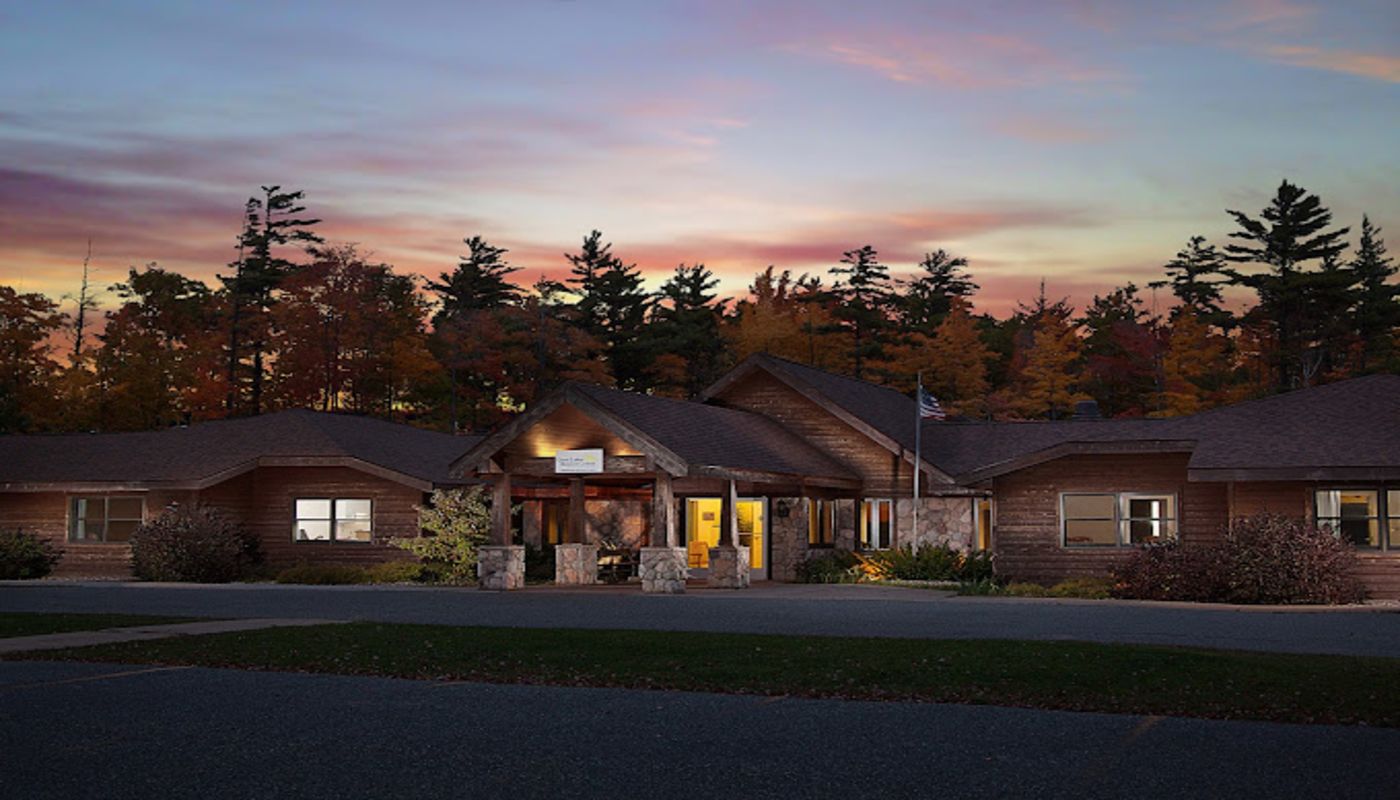
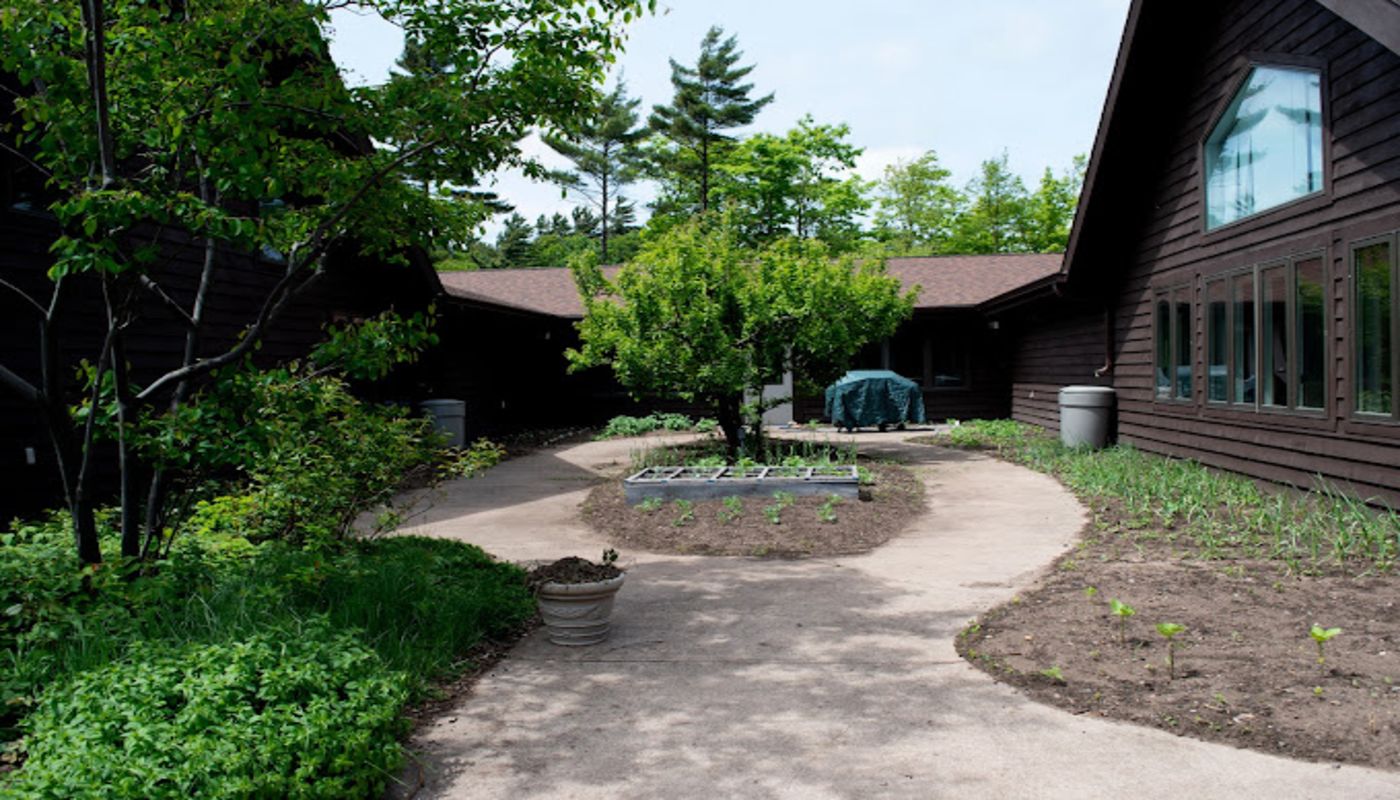
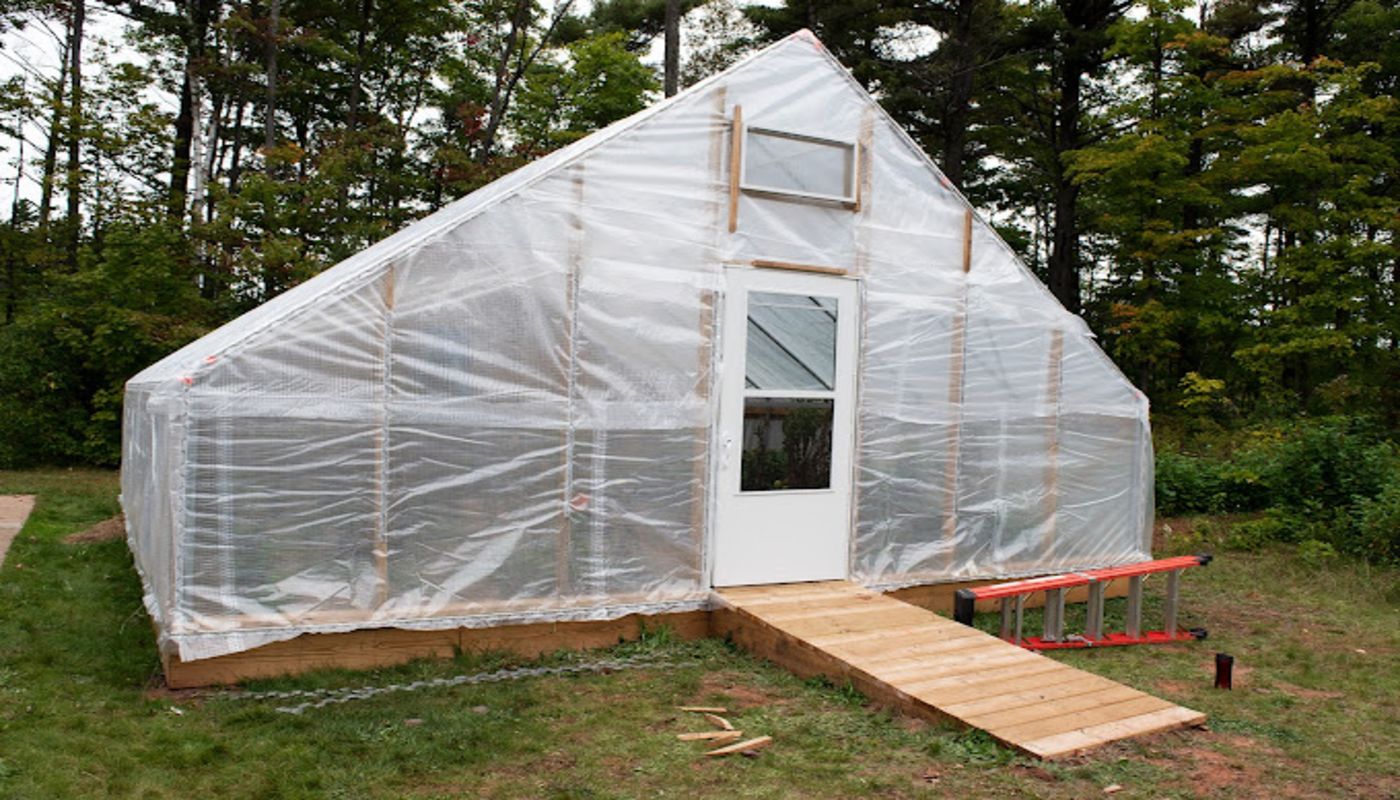
Great Lakes Recovery provides a home-like atmosphere and year-round classroom education allowing patients to continue their schooling while in treatment. The comfortable environment offers semi-private bedrooms with an attached bath, a community living space including a TV area, social community meal times, an enclosed courtyard, outdoor basketball court, a greenhouse, walking trails, and a healing circle. A certified Special Education teacher is on-site to work with clients and meet each of their academic needs, including GED testing when needed. An in-house medical provider and nurse are also available to provide comprehensive medical care ensuring clients have their medical and dental needs met.
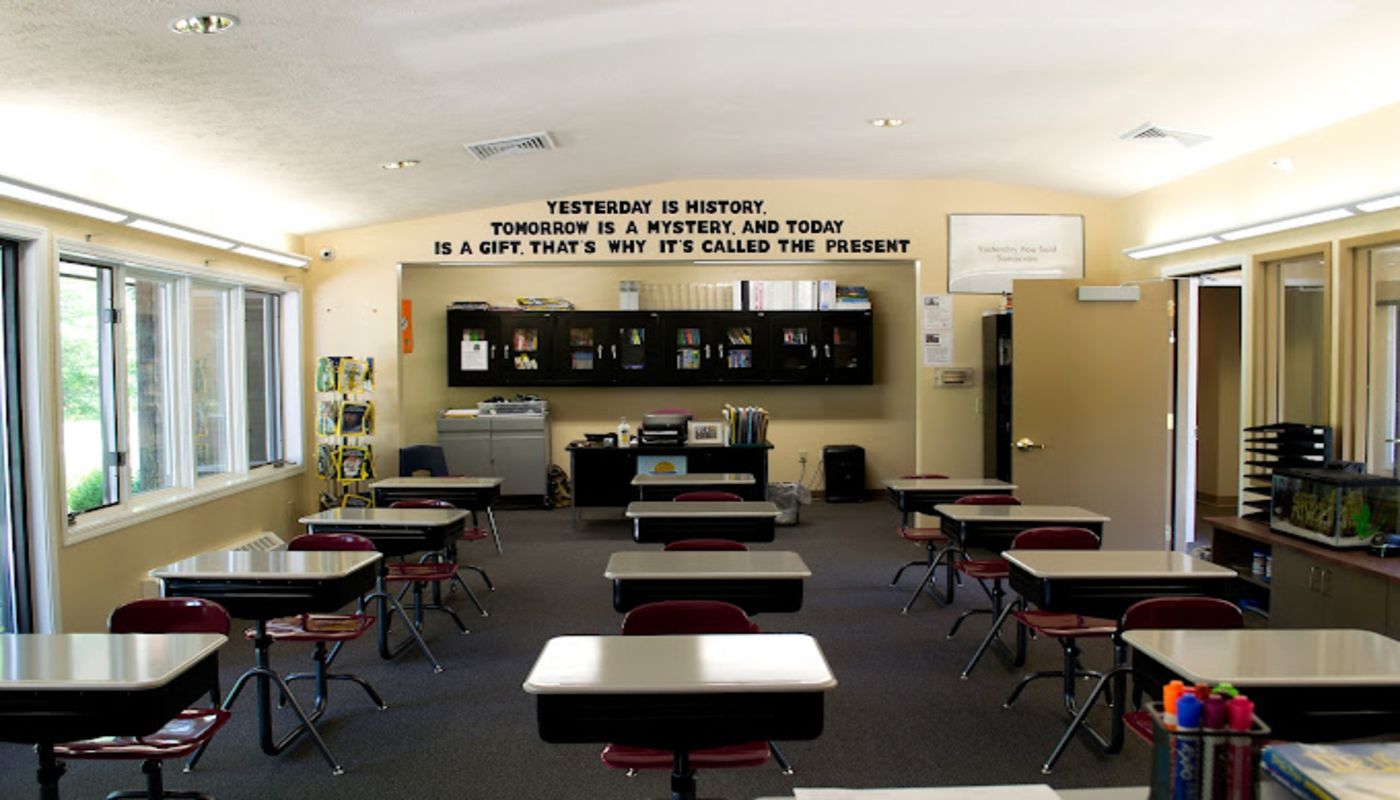
The on-site classroom offers natural lighting with views of nature, and is equipped with comfortable desk seating, laptops for educational use only and headphones when needed, a dry erase board, projector, monitor, and smart board for various learning presentations. A Great Lakes Recovery counselor is also assigned to the classroom, creating a low adult-to-student ratio. School records are transferred from the patient's school district upon admission, allowing the teacher to prepare similar lesson plans and curriculum. Weekly school reports document classroom performance, and academic recommendations are given to the district to help patients transition back into school. A school psychologist is also available for consultation and developing or managing individualized education plans. Books, materials, and transportation are all provided by Great Lakes Recovery Center.
Family Involvement
When patients enter treatment at Great Lakes Recovery Center, each is assigned a primary counselor to provide weekly individual therapy sessions. Clients participate in multiple therapeutic or didactic group therapy sessions daily with group discussion on various topics and group activities or workshops. Care givers are given a family questionnaire as part of the admissions process, allowing the primary therapist to use the family’s input and develop a treatment plan that includes family involvement. Primary therapists will maintain contact regarding the patients progress and facilitate family therapy sessions that can be done both in person and virtually. Adolescent residential services can also address patients with co-occurring disorders, providing medication education and management, along with specialized clinical treatment with motivational and engagement strategies along and evidence-based practices.
Holistic Treatment
Residents will also experience several forms of experiential and recreational therapies, such as music expression which includes instruments, song writing, singing, and lyrical analysis and explores personal feelings, promotes personal expression, and helps develop healthy coping skills. Art expression involves various art projects and activities that promote creativity and provide alternative coping strategies for trauma and overwhelming emotions.
Surrounded by 32 acres of campus, clients will also explore recreational interests like hiking, basketball, gym and fitness, and outdoor seasonal activities such as swimming, volleyball, kayaking, ultimate frisbee, tennis, skiing, ice skating, snowshoeing, and sledding. Seasonal equine therapy is also available at nearby Heritage Hills, where patients can learn to groom, feed, halter, and lead a horse as part of a therapeutic process.
Through Our Eyes is a photography program, teaching photography skills and allowing patients to hike the campus taking photographs that fall within the current month's theme. The Bridges program connects adolescent patients with local senior citizens from assisted living communities, focusing on fellowship with games, crafts, and activities and community involvement. Service learning provides the opportunity for feeling like an accomplished and valued member of the community, allowing clients to perform community service projects ranging from working with senior citizens, special needs, reading to children in local daycares, and planting community gardens.
On-staff Acupuncture Detoxification Specialists provide auricular therapy, using acupuncture to aid in the detoxification process and promote relaxation as an alternative form of healing. Other holistic therapies include meditation, essential oils, and guided visualization, offering foot baths and herbal teas as part of the treatment experience.
What to Expect at Great Lakes Recovery Adolescent Center
Your path from first call to lasting recovery
Assessment
A clinical team evaluates your history, needs, and goals to build a personalized plan.
Active Care
Evidence-based therapies including 1-on-1 Counseling and Cognitive Behavioral Therapy, typically 30 days.
Aftercare
Ongoing support, relapse prevention planning, and connections to community resources.
Free guidance • No obligation • See sidebar to call
What Levels of Care Are Available?
Programs available at this facility
Live-in treatment with comprehensive daily programming.
What Insurance Does Great Lakes Recovery Adolescent Center Accept?
24 insurance providers accepted. Learn about insurance coverage →


 Highmark
 Humana
 Kaiser Permanente
 Medicaid
 Medicare
 Optum
Optum
 Oscar
Oscar
 Tricare
 United Healthcare
Not sure if your insurance covers this center?
Free, confidential verification in under 5 minutes. We check your specific benefits and out-of-pocket costs.
What Therapies and Approaches Are Used?
Evidence-based methods used at this center. Browse all types →
Identifies and changes negative thought patterns driving addiction.
Present-moment awareness to manage cravings and stress.
Creative expression as a therapeutic tool.
Horse-assisted activities for emotional growth.
Hands-on activities (adventure, music, art) to build coping skills.
Clinically proven approaches backed by scientific research.
Whole-person approach: mind, body, and spirit healing.
Who Does Great Lakes Recovery Adolescent Center Treat?
Age-appropriate treatment for teens 12-17
What Conditions and Substances Are Treated?
Substances
Amenities and Activities Available
Aftercare & Continuing Support
Additional Services
Type of Care
Service Setting (e.g., Outpatient, Residential, Inpatient, etc.)
Opioid Medications used in Treatment
External Opioid Medications Source
Type of Alcohol Use Disorder Treatment
External Source of Medications Used for Alcohol Use Disorder Treatment
Type of Opioid Treatment
Pharmacotherapies
Treatment Approaches
Facility Operation (e.g., Private, Public)
License/Certification/Accreditation
Payment/Insurance/Funding Accepted
Special Programs/Groups Offered
Assessment/Pre-treatment
Transitional Services
Recovery Support Services
Detoxification (medical withdrawal) Services
Education and Counseling Services
Facility Smoking Policy
Age Groups Accepted
Sex Accepted
Language Services
Facility Vaping Policy
Ancillary Services
How Much Does Treatment Cost?
Average costs vary by care level. Insurance typically covers 60-80% of treatment.
| Care Level | Avg. Cost/Month | With Insurance | Duration |
|---|---|---|---|
| Medical Detox | $5,000–$10,000 | $500–$3,000 | 3–7 days |
| Residential | $15,000–$30,000 | $2,000–$8,000 | 30–90 days |
| PHP/IOP | $5,000–$12,000 | $500–$3,000 | 6–12 weeks |
| Outpatient | $1,000–$5,000 | $100–$1,000 | 3–12 months |
Source: SAMHSA National Survey, 2024. Costs vary by location and provider. Call (833) 546-3513 for a free, personalized cost estimate.
Frequently Asked Questions
How long is the program at Great Lakes Recovery Adolescent Center?
What insurance does Great Lakes Recovery Adolescent Center accept?
What levels of care are available?
Who does Great Lakes Recovery Adolescent Center treat?
How do I start the admissions process?
Does insurance cover treatment here?
What therapies are used at this center?
Contact Great Lakes Recovery Adolescent Center
Free Guidance & Insurance Verification
(833) 546-3513Address
104 Malton Rd, Negaunee, MI, 49866
Center Phone
(906) 228-4692Website
www.greatlakesrecovery.orgLanguages
English
Sources & References
This listing includes information from publicly available data and provider submissions. For authoritative resources on treatment and recovery:
-
SAMHSA National Helpline
1-800-662-4357 — Free, confidential, 24/7 treatment referral service
-
National Institute on Drug Abuse (NIDA)
Research-based information on addiction science and treatment
-
FindTreatment.gov
Official SAMHSA treatment locator with verified facility data
-
NAATP
National Association of Addiction Treatment Providers — industry standards and ethics
-
CDC Overdose Prevention
Centers for Disease Control — overdose data, prevention, and naloxone guidance
-
MedlinePlus (NIH)
U.S. National Library of Medicine — patient-friendly guidance on drug use and addiction
Need Help Choosing?
Free guidance from treatment specialists
Quick facts
Check your insurance
Most plans cover detox, residential, and outpatient under federal parity law.
See all providersReady to Take the First Step?
Our specialists are available 24/7 to help you find the right program and verify your insurance.
(833) 546-3513Free • Confidential • No Obligation
Other centers in Negaunee

Map & Directions
Verify Your Insurance
Free & confidential — takes under 2 minutes
