Overview
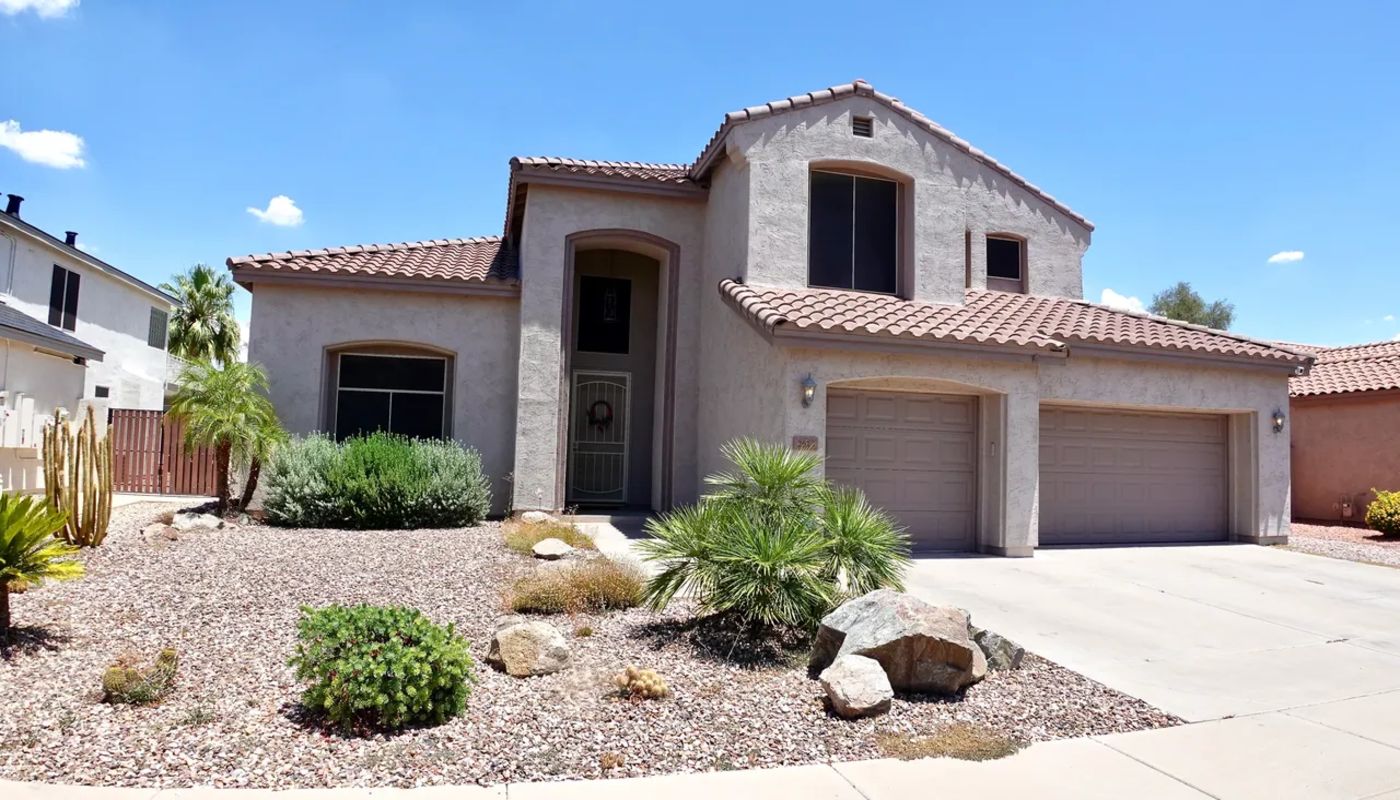
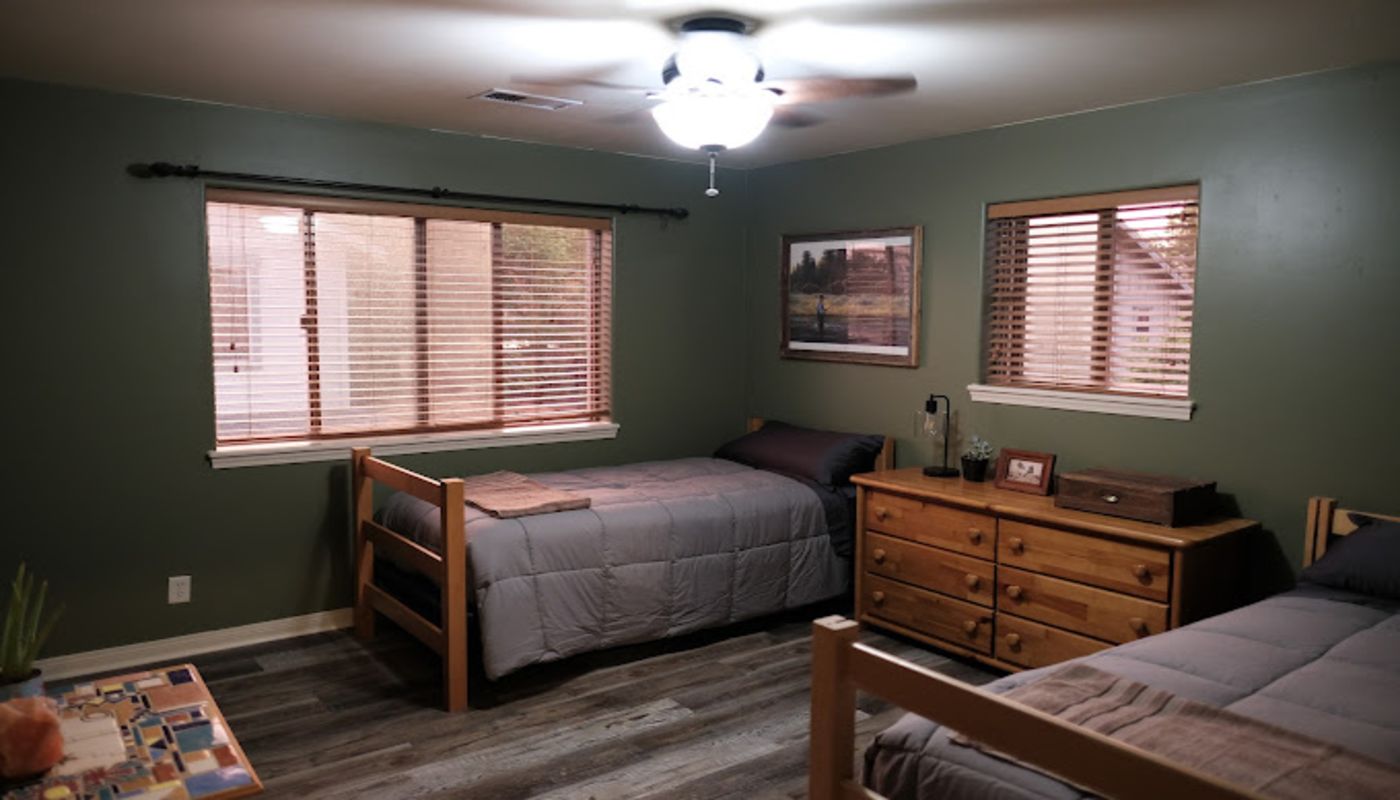
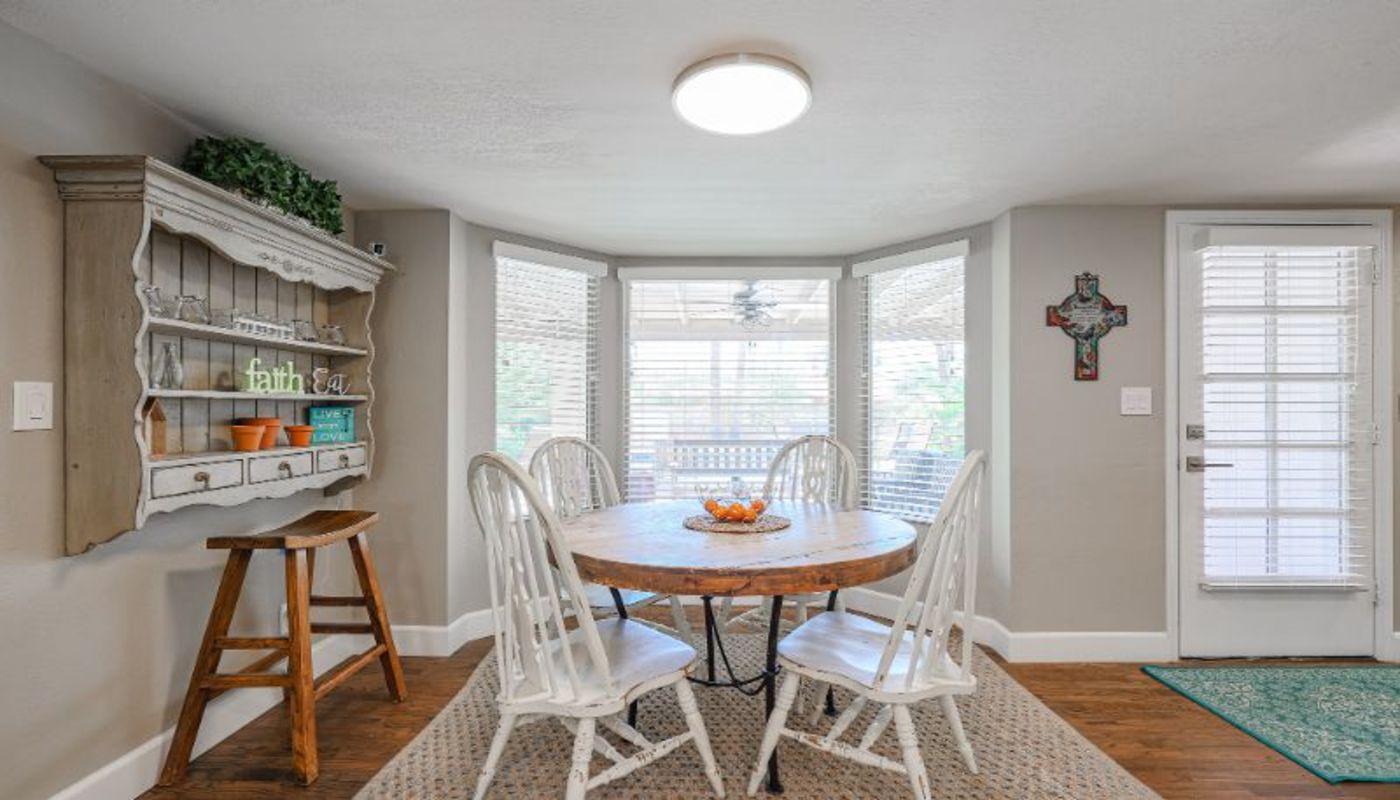
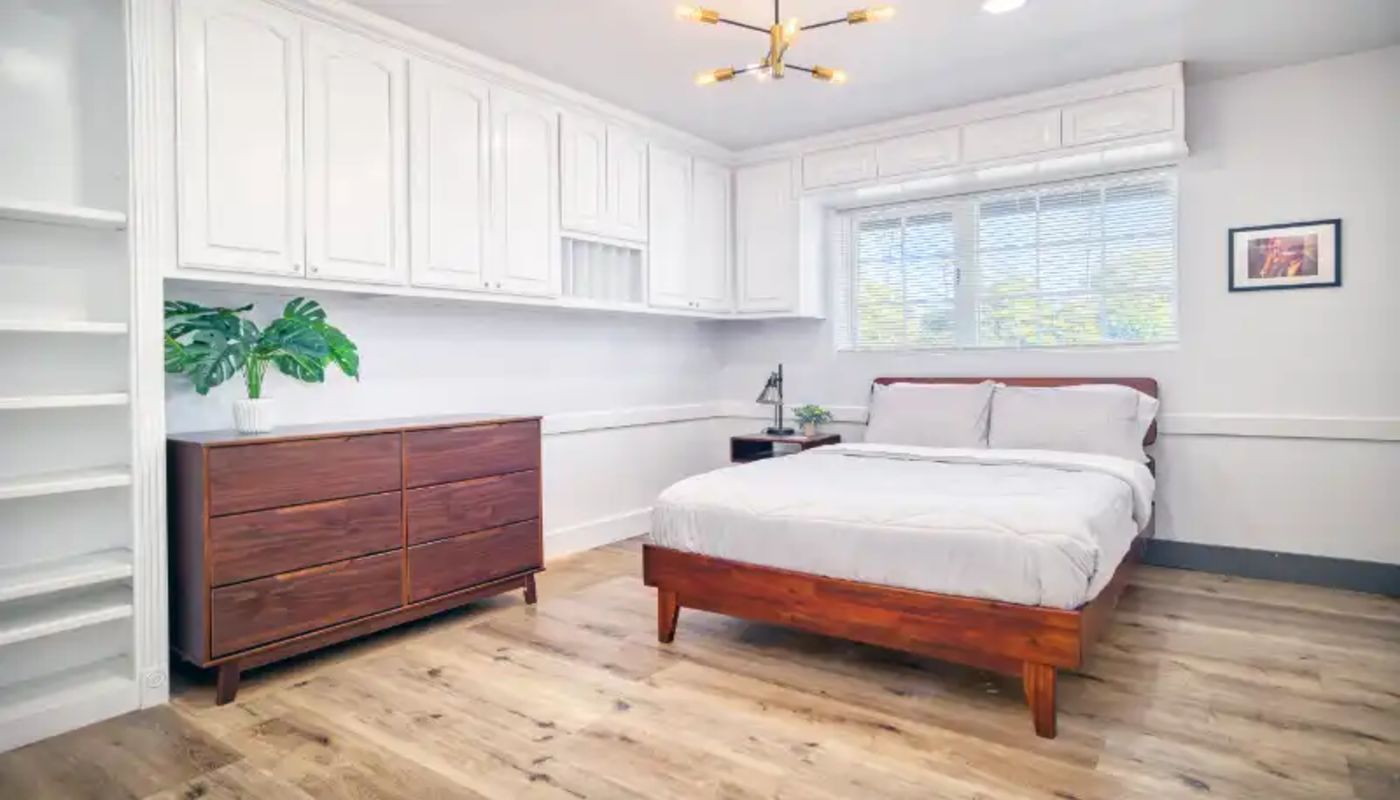
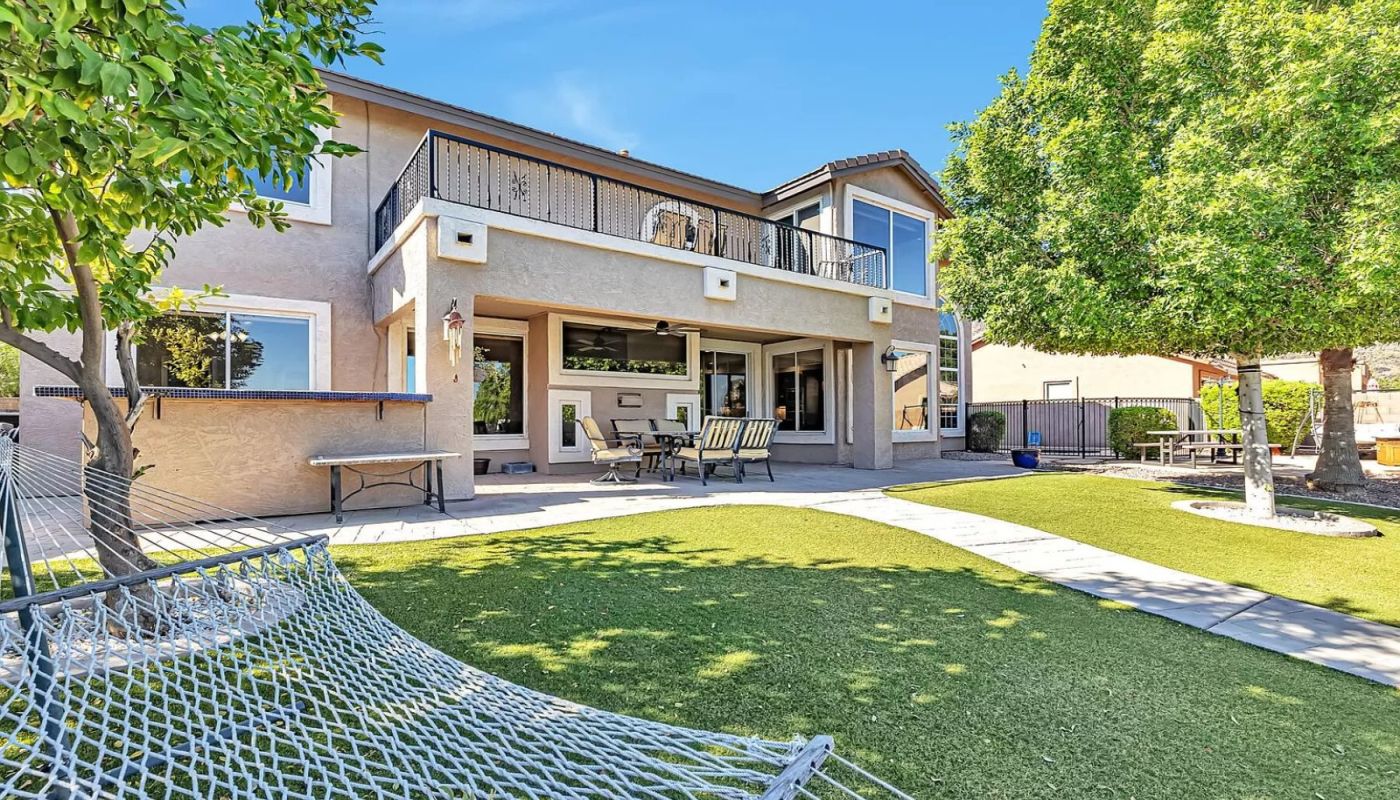
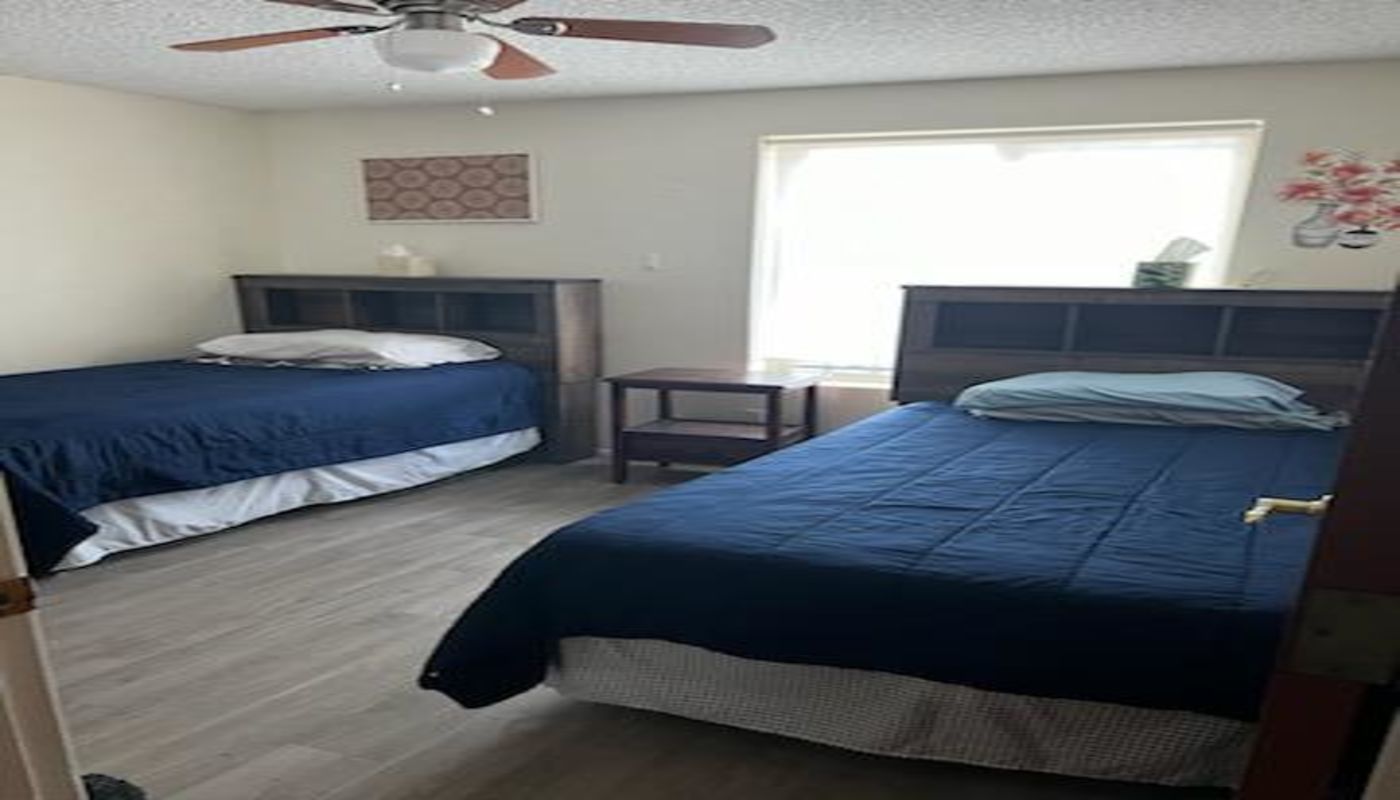
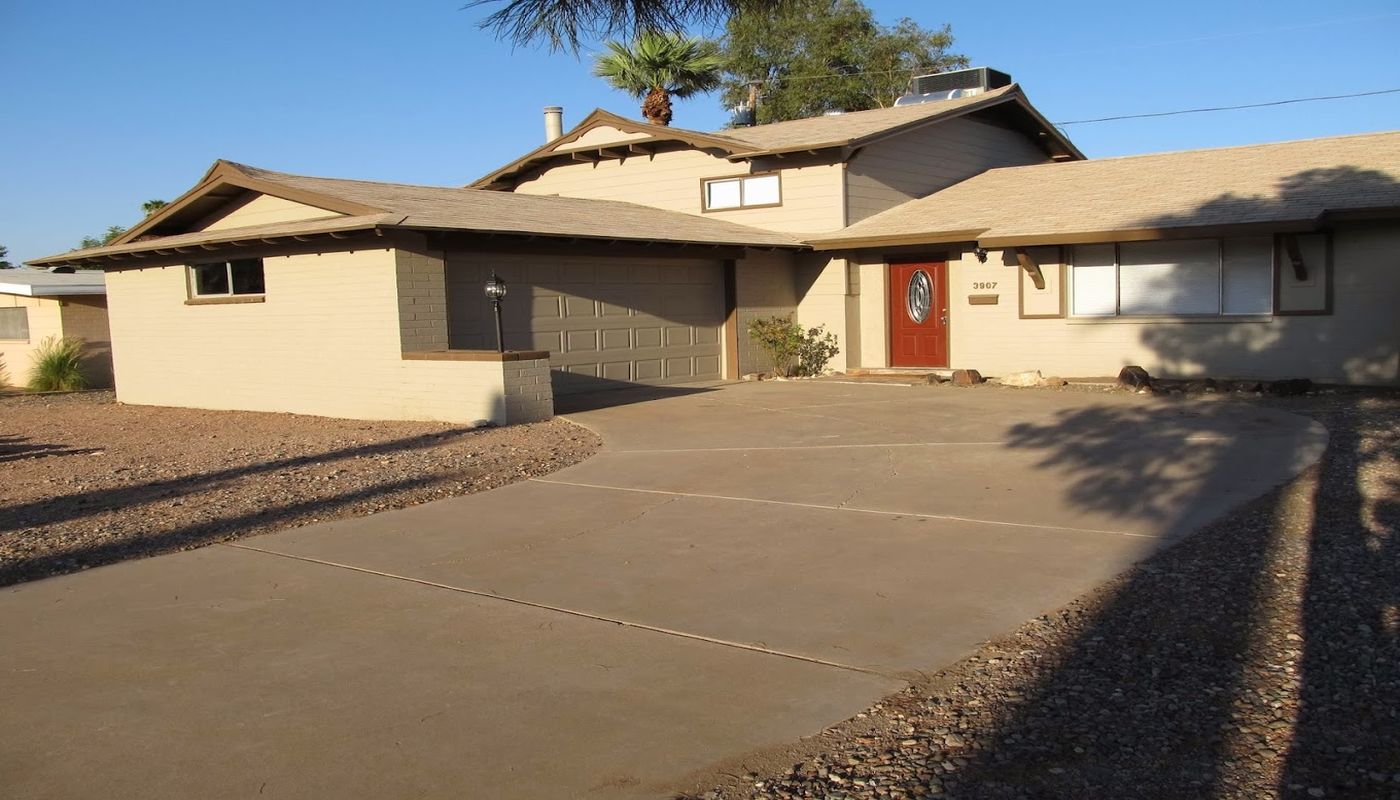
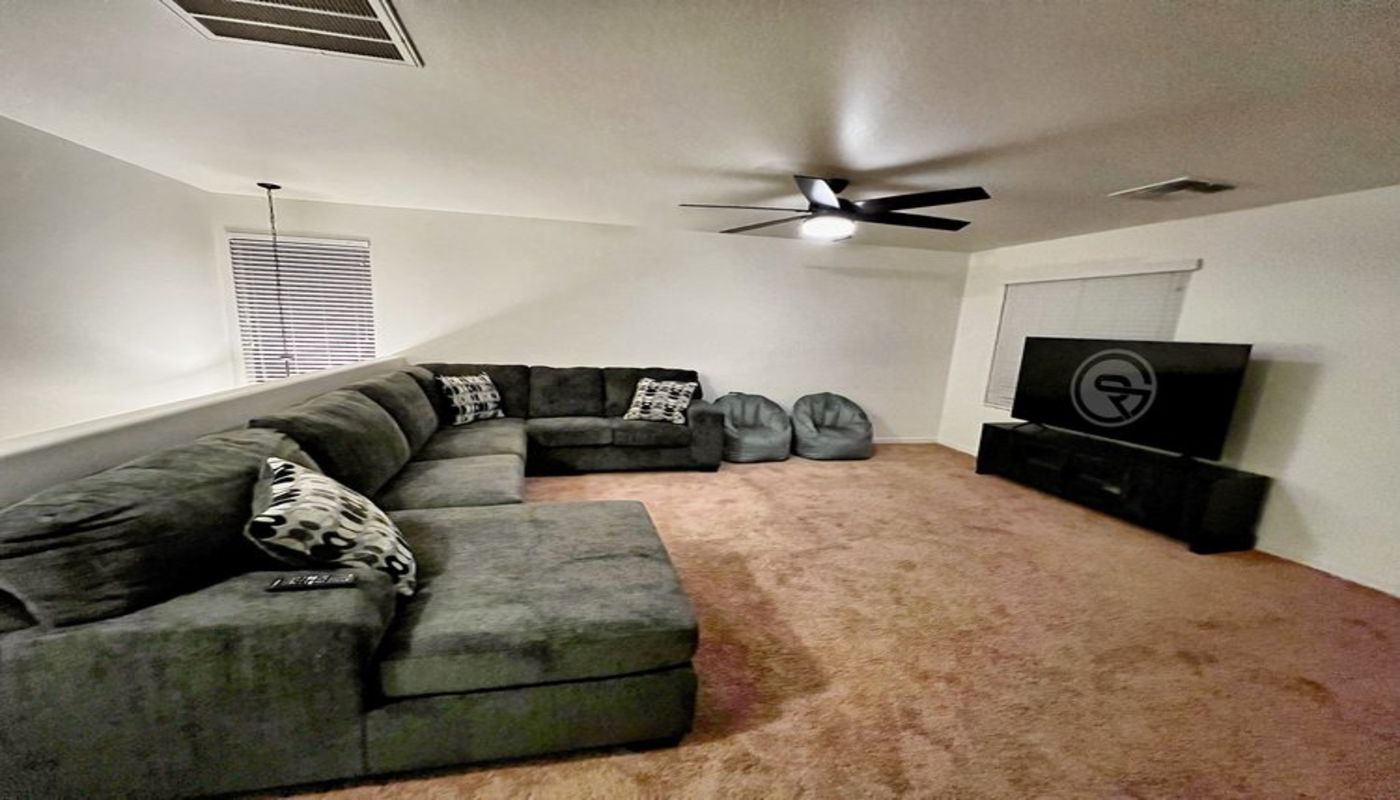
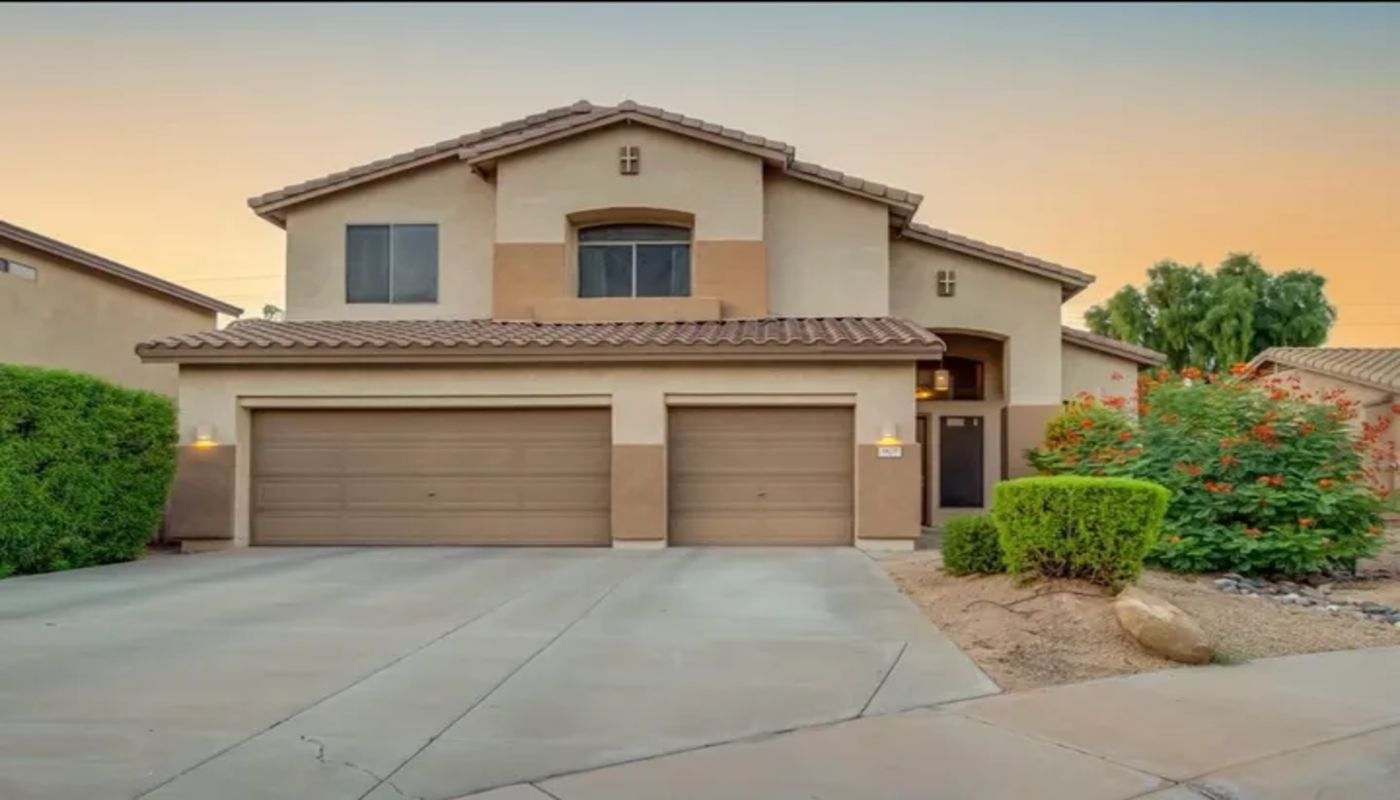
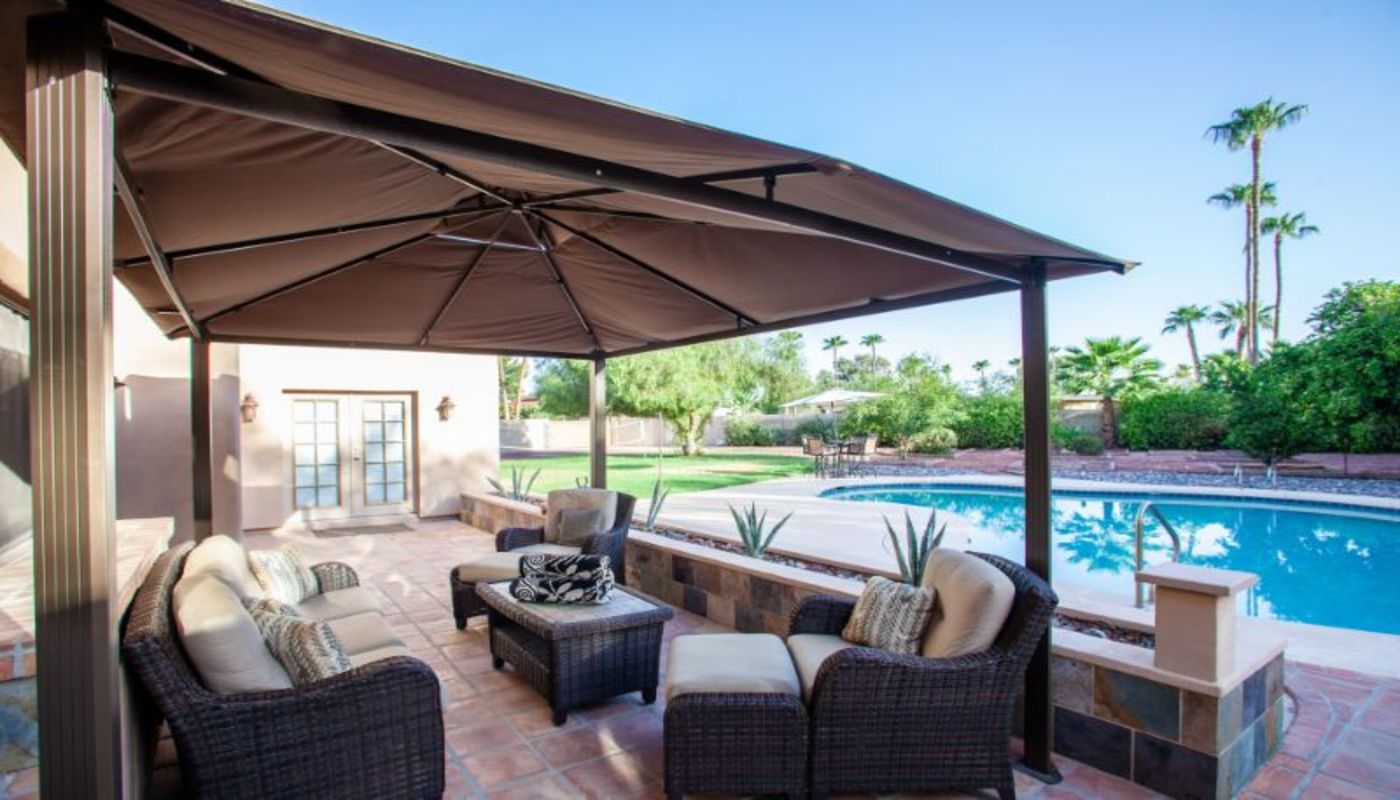
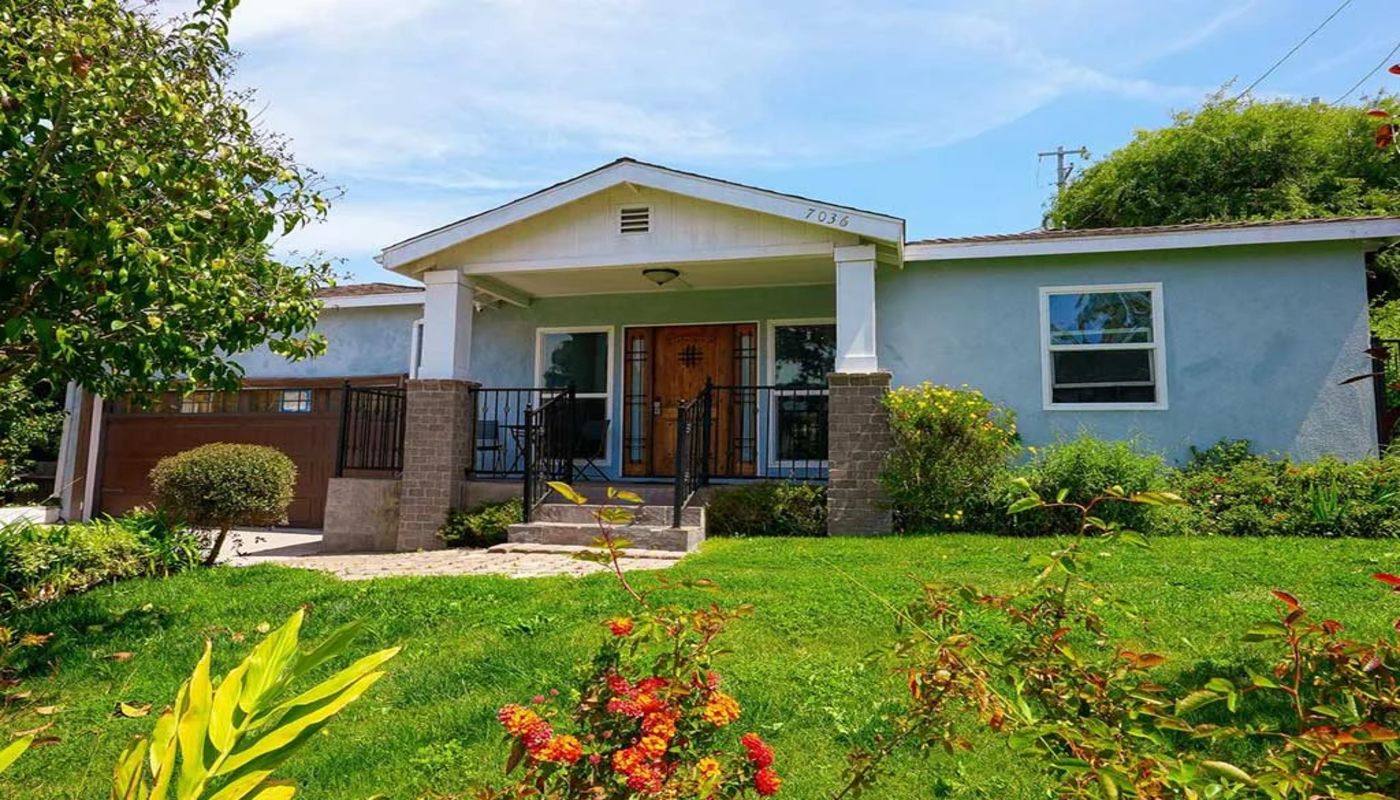
Sober living homes provide structured, substance-free housing for people in early recovery. Residents live in a supportive community, follow house rules including curfews and drug testing, attend recovery meetings, and gradually rebuild independent living skills. Sober living bridges the crucial gap between intensive treatment and fully independent life.
Who Is It For?
Sober living is ideal for individuals who have completed a primary treatment program and need continued structure before returning to independent living. It is especially valuable for those without a stable, substance-free home environment or who need additional time to build life skills.
What Does It Include?
- Substance-free living environment
- House rules and accountability
- Regular drug and alcohol testing
- Peer support and community
- Recovery meeting attendance
- Life skills development
- Employment and education support
- Gradual increase in independence
Frequently Asked Questions
What is sober living homes?
Sober living homes provide structured, substance-free housing for people in early recovery. Residents live in a supportive community, follow house rules including curfews and drug testing, attend recovery meetings, and gradually rebuild independent living skills. Sober living bridges the crucial gap between intensive treatment and fully independent life.
Who should consider sober living homes?
Sober living is ideal for individuals who have completed a primary treatment program and need continued structure before returning to independent living. It is especially valuable for those without a stable, substance-free home environment or who need additional time to build life skills.
How long does sober living homes last?
Typical duration is 3-12 months. Length should be individualized based on clinical assessment and progress.
How much does sober living homes cost?
Average cost is $500 - $3,000/month. Varies - some covered, many self-pay. Many facilities offer sliding-scale fees. Call (833) 546-3513 to verify coverage.
What is the success rate?
Success rates are approximately Reduces relapse by 30-40%. Success improves with longer treatment, aftercare, and addressing co-occurring disorders.