
Key Takeaways
- ARCH Academy Ridgeview Campus is a Residential Rehab facility in Pegram, TN.
- Accepts 24 insurance providers including Aetna, Anthem, BlueCross BlueShield.
- Uses 9 evidence-based therapies: 1-on-1 Counseling, Cognitive Behavioral Therapy, Eye Movement Therapy (EMDR), Meditation & Mindfulness.
- Call (833) 546-3513 for free insurance verification and admission guidance (24/7).
Photos (4)


Why Choose ARCH Academy Ridgeview Campus
Broad Insurance Coverage
Accepts 24 insurance providers, making treatment accessible for more families.
Evidence-Based Therapies
Offers 9 proven treatment methods including 1-on-1 Counseling, Cognitive Behavioral Therapy, Eye Movement Therapy (EMDR).
Multiple Care Levels
Provides 3 levels of care: Residential Rehab, Co-Occurring Mental Health, Detox — ensuring the right intensity for every stage of recovery.
Specialized Programs
Offers targeted programs for Co-Occurring Disorders, Drug Addiction, Adolescents.
ARCH Academy Ridgeview Campus is a residential rehab and co-occurring mental health treatment center in Pegram, TN. Treatment approaches include 1-on-1 Counseling, Cognitive Behavioral Therapy, Eye Movement Therapy (EMDR). Programs serve Adolescents and Girls. Most major insurance accepted under federal parity law. Call (833) 546-3513 for free 5-minute verification.
Verified credentials
Fact-checked against official sources — not user star ratings
About ARCH Academy Ridgeview Campus: Programs, Staff & Mission
They launched their first adolescent program in 1985. In 2020, they expanded their commitment to teen recovery by opening ARCH Academy’s Harpeth Campus in Kingston Springs, TN where adolescent boys can heal through evidence-based therapy, academics, and adventure-based experiences. In 2025, they expanded the ARCH program to include treatment for adolescent girls with the opening of their Ridgeview Campus in Pegram, TN. They also broadened their services by launching the Music Row intensive outpatient program (IOP), offering outpatient treatment options for teens who need flexible care.
They have a comprehensive program that addresses the addiction, underlying co-occurring disorder, family difficulties, relational barriers, and low academic confidence. At ARCH Academy, they have medical detox, cognitive behavioral therapy (CBT), family system therapy, 12-Step group and education, experiential therapies, medication management for co-occurring disorders, psychiatric care, daily group therapy, individual and group therapy, a treatment progress incentive program, and a community service projects. ARCH Academy has a 3-phase clinical program.
Phase 1 is 30-45 days long, and they focus on getting a clear assessment of the teen through a variety of evaluations that are conducted by therapist, physicians, and psychiatric. During phase 1, the family will participate in an intensive program so that ARCH Academy can get a better understanding of the addiction and family dynamic.
During phase 2, the program length is between 90-120 days. This stage is progress-dependent, since the client has been clean long enough to dig deeper into the 12-Step program. During phase 2, the client works on the core reason behind the addiction and focuses on coping skills. At the end of phase 2, clients focus on the transition plan of returning home or the next phase.
Next is phase 3, the transition phase, and this phase is generally 2-4 weeks. Clients work on their transition plan during phase 3 with clear academic goals and 12-Step home recovery plan. Some experiential therapies include art therapy, music therapy, yoga and mindfulness, and recreational therapy like ropes courses.
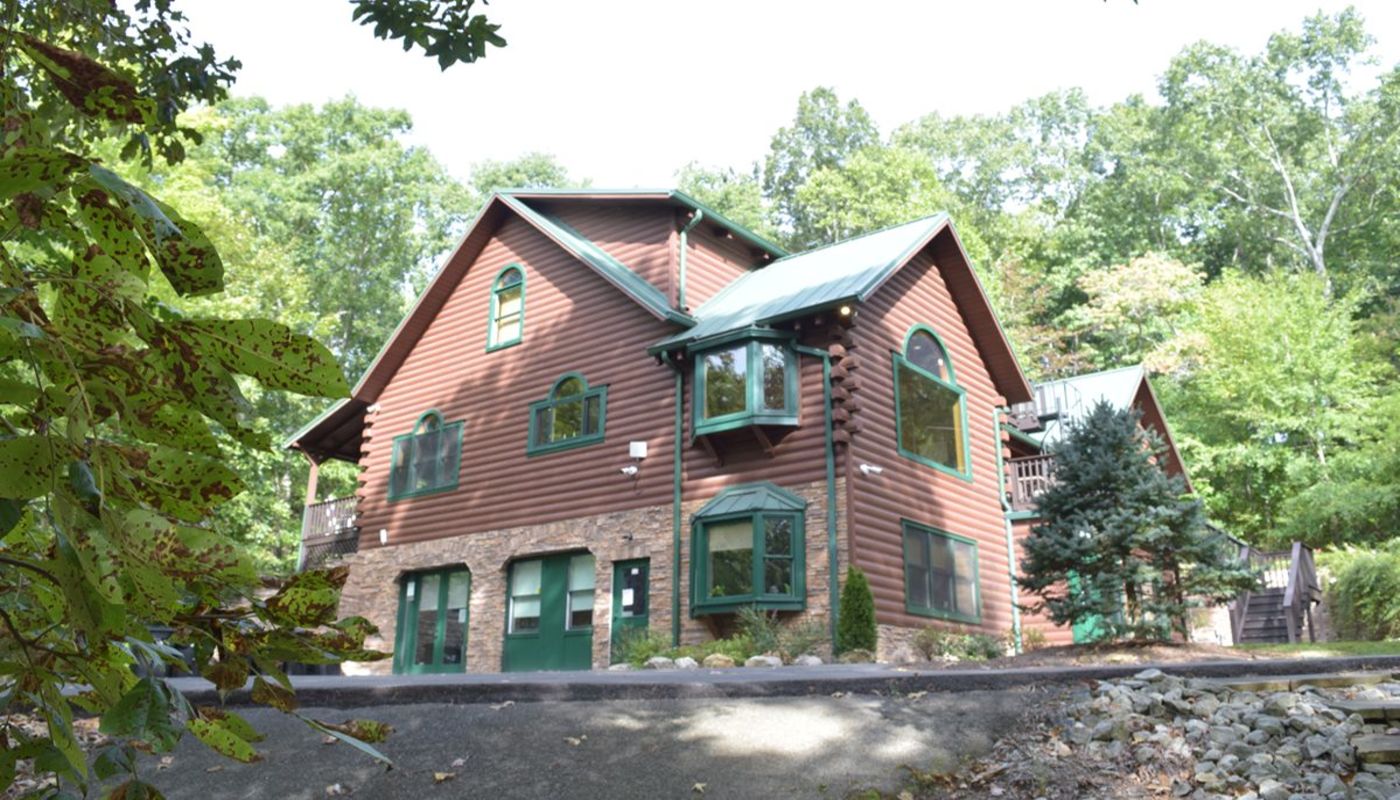
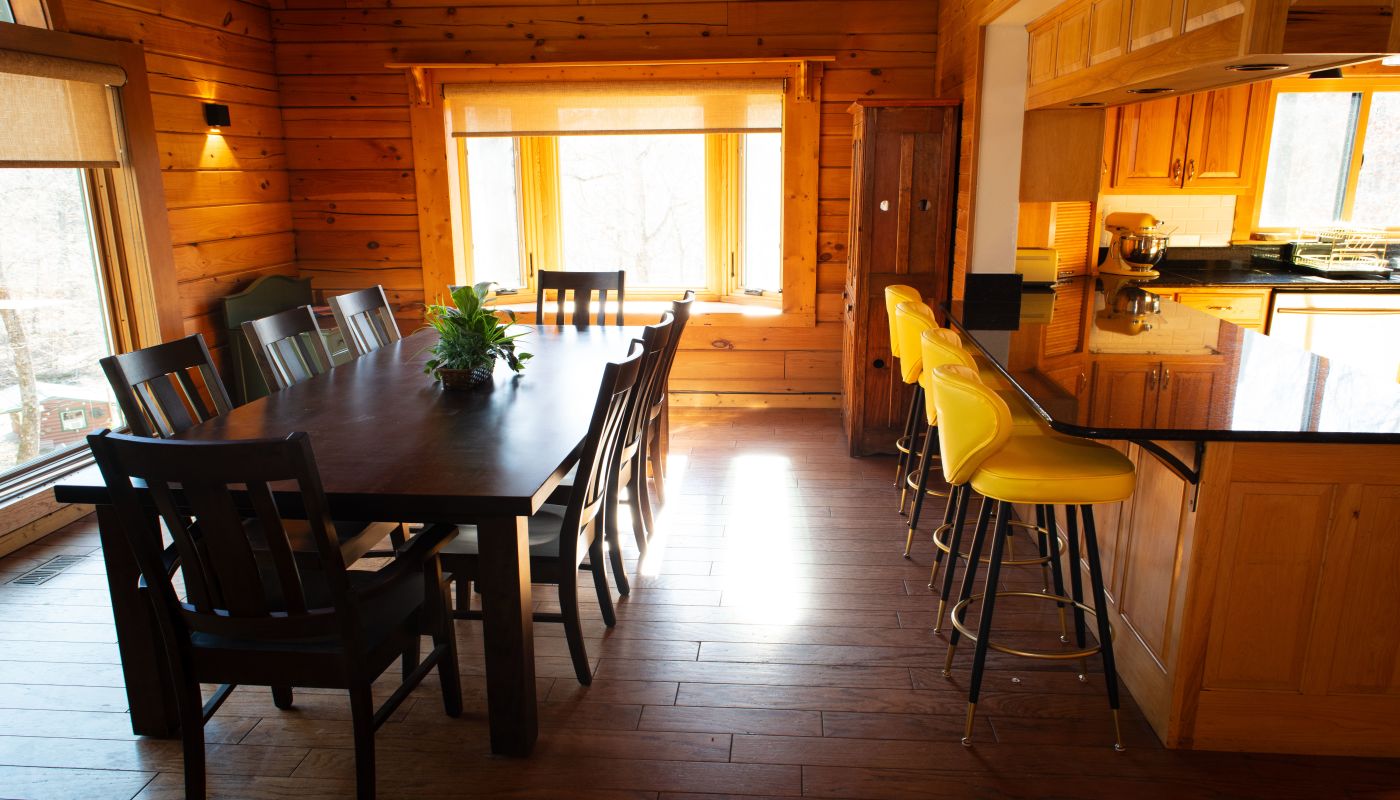
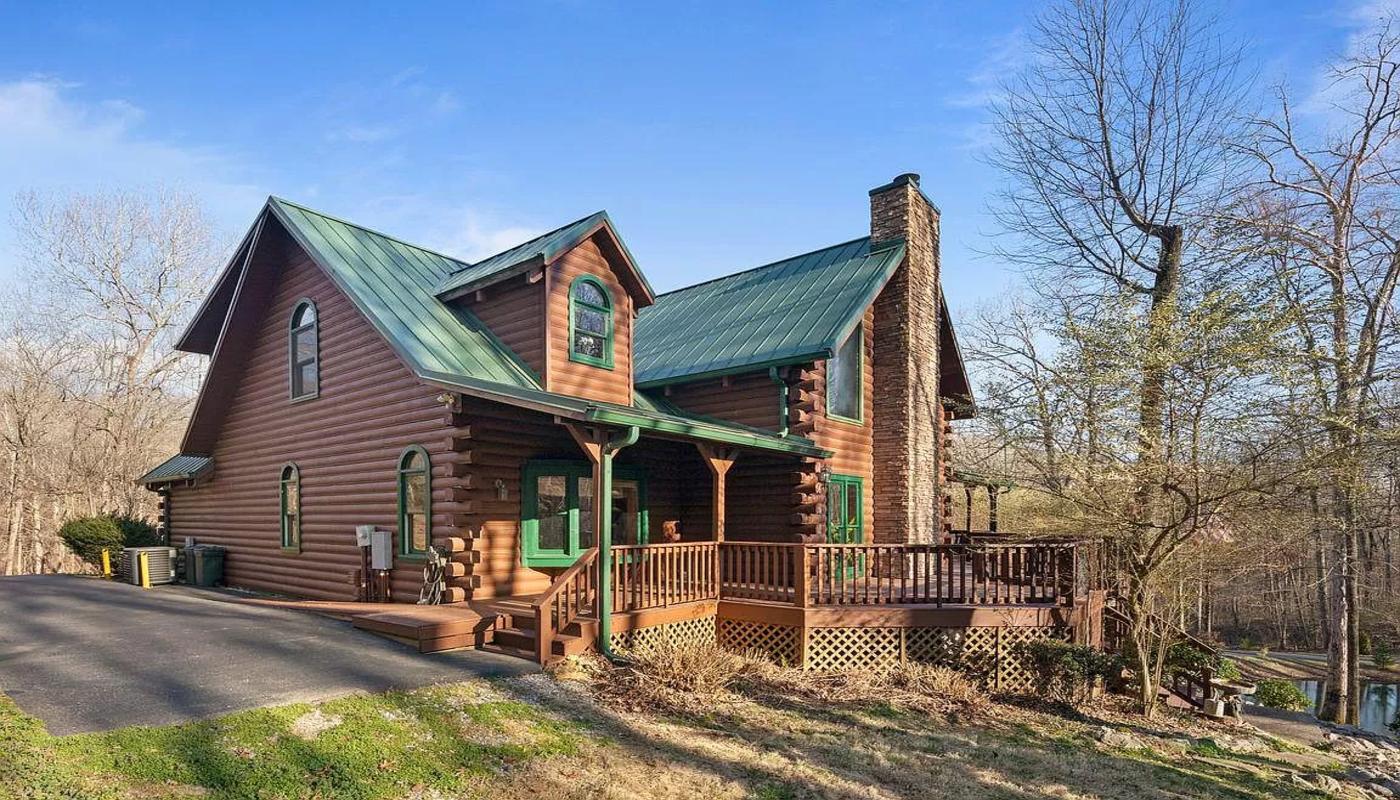
ARCH Academy's Ridgeway Campus is a 9-bedroom space nestled in a lush, wooded area just outside Nashville and within walking distance to hiking trails and ball parks. Clients can roam on 6,380 square feet at ARCH Academy. They have shared and private rooms with shared bathrooms. Clients can enjoy fishing, hiking, walking the trails, a ropes course, swimming in the local river, and off-site adventurous outings.
What to Expect at ARCH Academy Ridgeview Campus
Your path from first call to lasting recovery
Assessment
A clinical team evaluates your history, needs, and goals to build a personalized plan.
Active Care
Evidence-based therapies including 1-on-1 Counseling and Cognitive Behavioral Therapy, typically 30 days.
Aftercare
Ongoing support, relapse prevention planning, and connections to community resources.
Free guidance • No obligation • See sidebar to call
What Levels of Care Are Available?
Programs available at this facility
Live-in treatment with comprehensive daily programming.
Medically supervised withdrawal management, typically 3-10 days.
What Insurance Does ARCH Academy Ridgeview Campus Accept?
24 insurance providers accepted. Learn about insurance coverage →


 Highmark
 Humana
 Kaiser Permanente
 Medicaid
 Medicare
 Optum
Optum
 Oscar
Oscar
 Tricare
 United Healthcare
Not sure if your insurance covers this center?
Free, confidential verification in under 5 minutes. We check your specific benefits and out-of-pocket costs.
What Therapies and Approaches Are Used?
Evidence-based methods used at this center. Browse all types →
Identifies and changes negative thought patterns driving addiction.
Eye movement therapy to reprocess traumatic memories.
Present-moment awareness to manage cravings and stress.
Outdoor challenges that build confidence and resilience.
Creative expression as a therapeutic tool.
Clinically proven approaches backed by scientific research.
Hands-on activities (adventure, music, art) to build coping skills.
Who Does ARCH Academy Ridgeview Campus Treat?
Age-appropriate treatment for teens 12-17
What Conditions and Substances Are Treated?
Substances
Conditions
Amenities and Activities Available
Aftercare & Continuing Support
Additional Services
Type of Care
Service Setting (e.g., Outpatient, Residential, Inpatient, etc.)
Facility Type
Pharmacotherapies
Treatment Approaches
Emergency Mental Health Services
Facility Operation (e.g., Private, Public)
Payment/Insurance/Funding Accepted
Payment Assistance Available
Special Programs/Groups Offered
Assessment/Pre-treatment
Testing
Recovery Support Services
Education and Counseling Services
Facility Smoking Policy
Age Groups Accepted
Facility Vaping Policy
Ancillary Services
How Much Does Treatment Cost?
Average costs vary by care level. Insurance typically covers 60-80% of treatment.
| Care Level | Avg. Cost/Month | With Insurance | Duration |
|---|---|---|---|
| Medical Detox | $5,000–$10,000 | $500–$3,000 | 3–7 days |
| Residential | $15,000–$30,000 | $2,000–$8,000 | 30–90 days |
| PHP/IOP | $5,000–$12,000 | $500–$3,000 | 6–12 weeks |
| Outpatient | $1,000–$5,000 | $100–$1,000 | 3–12 months |
Source: SAMHSA National Survey, 2024. Costs vary by location and provider. Call (833) 546-3513 for a free, personalized cost estimate.
Frequently Asked Questions
How long is the program at ARCH Academy Ridgeview Campus?
What insurance does ARCH Academy Ridgeview Campus accept?
What levels of care are available?
Who does ARCH Academy Ridgeview Campus treat?
How do I start the admissions process?
Does insurance cover treatment here?
What therapies are used at this center?
Contact ARCH Academy Ridgeview Campus
Free Guidance & Insurance Verification
(833) 546-3513Address
686 Ridgeview Dr., Pegram, TN, 37143
Center Phone
(866) 616-2170Website
www.arch.orgLanguages
English
Sources & References
This listing includes information from publicly available data and provider submissions. For authoritative resources on treatment and recovery:
-
SAMHSA National Helpline
1-800-662-4357 — Free, confidential, 24/7 treatment referral service
-
National Institute on Drug Abuse (NIDA)
Research-based information on addiction science and treatment
-
FindTreatment.gov
Official SAMHSA treatment locator with verified facility data
-
NAATP
National Association of Addiction Treatment Providers — industry standards and ethics
-
CDC Overdose Prevention
Centers for Disease Control — overdose data, prevention, and naloxone guidance
-
MedlinePlus (NIH)
U.S. National Library of Medicine — patient-friendly guidance on drug use and addiction
Need Help Choosing?
Free guidance from treatment specialists
Quick facts
Check your insurance
Most plans cover detox, residential, and outpatient under federal parity law.
See all providersReady to Take the First Step?
Our specialists are available 24/7 to help you find the right program and verify your insurance.
(833) 546-3513Free • Confidential • No Obligation



Map & Directions
Verify Your Insurance
Free & confidential — takes under 2 minutes
