Key Takeaways
- Design for Change is a Residential Rehab facility in J Lancaster, CA, established in 2014.
- Accepts 24 insurance providers including Aetna, Anthem, BlueCross BlueShield.
- Uses 9 evidence-based therapies: 1-on-1 Counseling, Cognitive Behavioral Therapy, Family Therapy, Group Therapy.
- Call (833) 546-3513 for free insurance verification and admission guidance (24/7).
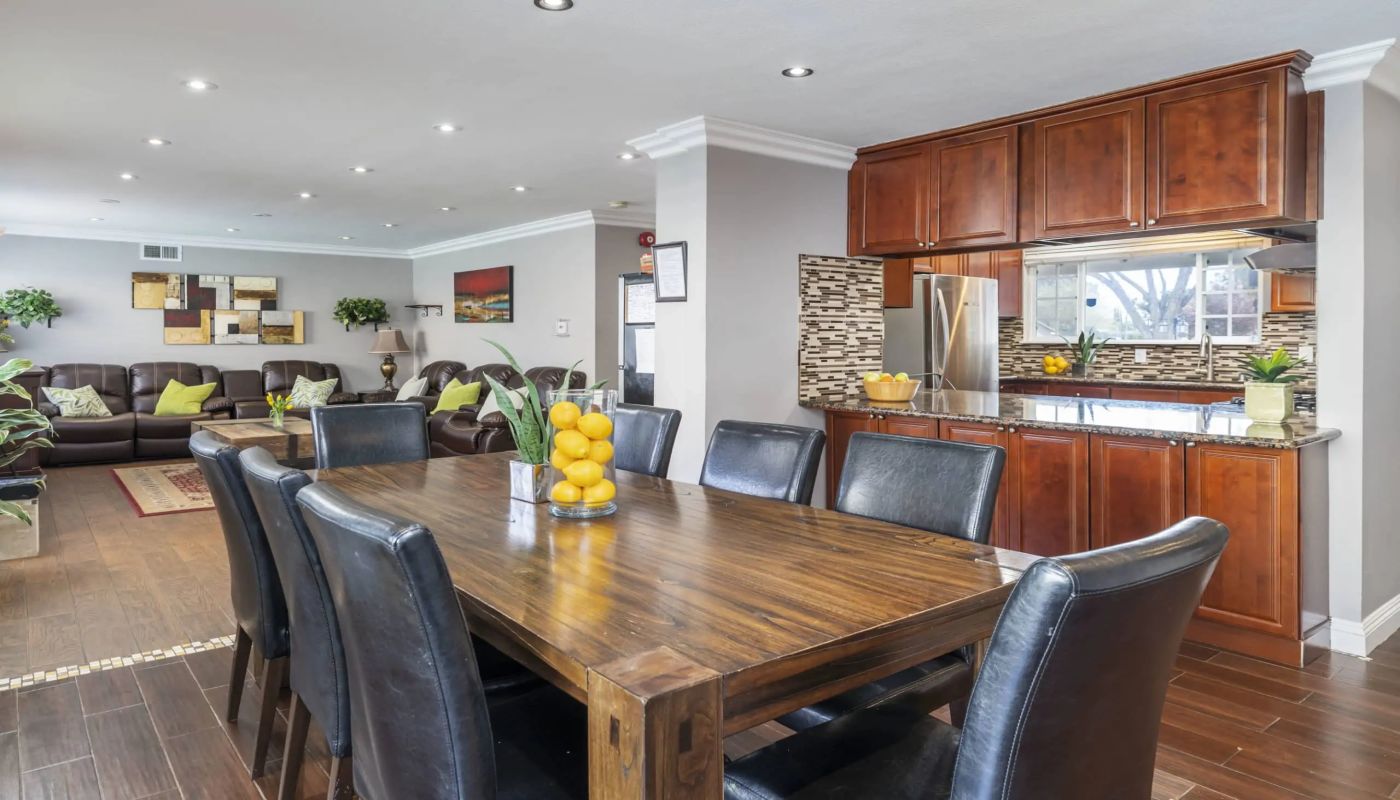
Photos (4)


Why Choose Design for Change
Accredited Facility
Holds Joint Commission accreditation, ensuring adherence to rigorous quality standards.
Broad Insurance Coverage
Accepts 24 insurance providers, making treatment accessible for more families.
Evidence-Based Therapies
Offers 9 proven treatment methods including 1-on-1 Counseling, Cognitive Behavioral Therapy, Family Therapy.
Multiple Care Levels
Provides 4 levels of care: Residential Rehab, Co-Occurring Mental Health, Outpatient — ensuring the right intensity for every stage of recovery.
Design for Change is a residential rehab and co-occurring mental health treatment center in J Lancaster, CA. Treatment approaches include 1-on-1 Counseling, Cognitive Behavioral Therapy, Family Therapy. Programs serve Men and Women. Most major insurance accepted under federal parity law. Call (833) 546-3513 for free 5-minute verification.
Verified credentials
Fact-checked against official sources — not user star ratings
About Design for Change: Programs, Staff & Mission
Design for Change provides short-term detox and rehab with 3, 5, and 7-day programs. They additionally offer longer-term stays for 30, 60, and 90+ days. Design for Change provides medication-assisted treatment (MAT) with methadone, buprenorphine, and naltrexone as needed. Their residential, day treatment, and outpatient programs offer comprehensive care with various evidence-based therapies. Design for Change’s clinical team provides cognitive behavioral therapy (CBT), dialectical behavioral therapy (DBT), commitment and acceptance therapy, and motivational interviewing. They also provide relapse prevention planning. Design for Change’s dual diagnosis treatment aims to address and heal the present conditions separately by identifying triggers and teaching coping strategies.
Design for Change strives to create a well-rounded recovery, offering holistic and experiential therapies such as psychodrama, biosound (uses guided imagery, sound, and meditation to promote relaxation), art therapy, music therapy, and yoga. A healthy body can help create a healthy mind, so clients participate in exercise and eat nutritious foods. Design for Change offers outdoor activities and animal interactions. Their veterans and first responders programs have customized treatment plans that focus on trauma and stress recovery, as well as other co-occurring disorders.
In addition to individual and group therapy, Design for Change’s family therapy program uses a cognitive behavioral approach to improve communication, create healthy boundaries, and build healthier relationships. Design for Change’s aftercare helps clients transition to the next chapter of their recovery journey. Their team holds 1:1 and group therapy sessions, provides medication management, hosts alumni meetings, and helps clients connect with community resources like 12-Step meetings. Design for change can also help clients find sober living.
What to Expect at Design for Change
Your path from first call to lasting recovery
Assessment
A clinical team evaluates your history, needs, and goals to build a personalized plan.
Active Care
Evidence-based therapies including 1-on-1 Counseling and Cognitive Behavioral Therapy, typically 28 days.
Aftercare
Ongoing support, relapse prevention planning, and connections to community resources.
Free guidance • No obligation • See sidebar to call
What Levels of Care Are Available?
Programs available at this facility
Live-in treatment with comprehensive daily programming.
Flexible sessions (1-2x/week) while living at home.
Medically supervised withdrawal management, typically 3-10 days.
What Insurance Does Design for Change Accept?
24 insurance providers accepted. Learn about insurance coverage →


 Highmark
 Humana
 Kaiser Permanente
 Medicaid
 Medicare
 Optum
Optum
 Oscar
Oscar
 Tricare
 United Healthcare
Not sure if your insurance covers this center?
Free, confidential verification in under 5 minutes. We check your specific benefits and out-of-pocket costs.
What Therapies and Approaches Are Used?
Evidence-based methods used at this center. Browse all types →
Identifies and changes negative thought patterns driving addiction.
Repairs relationships and builds a supportive home environment.
Shared healing through peer support and group dynamics.
Present-moment awareness to manage cravings and stress.
Clinically proven approaches backed by scientific research.
Whole-person approach: mind, body, and spirit healing.
One-on-one sessions tailored to your specific needs.
Who Does Design for Change Treat?
Gender-specific programs addressing male-related issues
Gender-specific care including trauma and family therapy
What Conditions and Substances Are Treated?
Substances
Conditions
Amenities and Activities Available
Additional Services
Type of Care
Service Setting (e.g., Outpatient, Residential, Inpatient, etc.)
Opioid Medications used in Treatment
Type of Alcohol Use Disorder Treatment
External Source of Medications Used for Alcohol Use Disorder Treatment
Type of Opioid Treatment
Pharmacotherapies
Treatment Approaches
Facility Operation (e.g., Private, Public)
License/Certification/Accreditation
Payment/Insurance/Funding Accepted
Special Programs/Groups Offered
Assessment/Pre-treatment
Testing
Transitional Services
Recovery Support Services
Detoxification (medical withdrawal) Services
Education and Counseling Services
Facility Smoking Policy
Age Groups Accepted
Sex Accepted
Facility Vaping Policy
Ancillary Services
How Much Does Treatment Cost?
Average costs vary by care level. Insurance typically covers 60-80% of treatment.
| Care Level | Avg. Cost/Month | With Insurance | Duration |
|---|---|---|---|
| Medical Detox | $5,000–$10,000 | $500–$3,000 | 3–7 days |
| Residential | $15,000–$30,000 | $2,000–$8,000 | 30–90 days |
| PHP/IOP | $5,000–$12,000 | $500–$3,000 | 6–12 weeks |
| Outpatient | $1,000–$5,000 | $100–$1,000 | 3–12 months |
Source: SAMHSA National Survey, 2024. Costs vary by location and provider. Call (833) 546-3513 for a free, personalized cost estimate.
Frequently Asked Questions
How long is the program at Design for Change?
What insurance does Design for Change accept?
What levels of care are available?
Who does Design for Change treat?
How do I start the admissions process?
Does insurance cover treatment here?
What therapies are used at this center?
Contact Design for Change
Free Guidance & Insurance Verification
(833) 546-3513Address
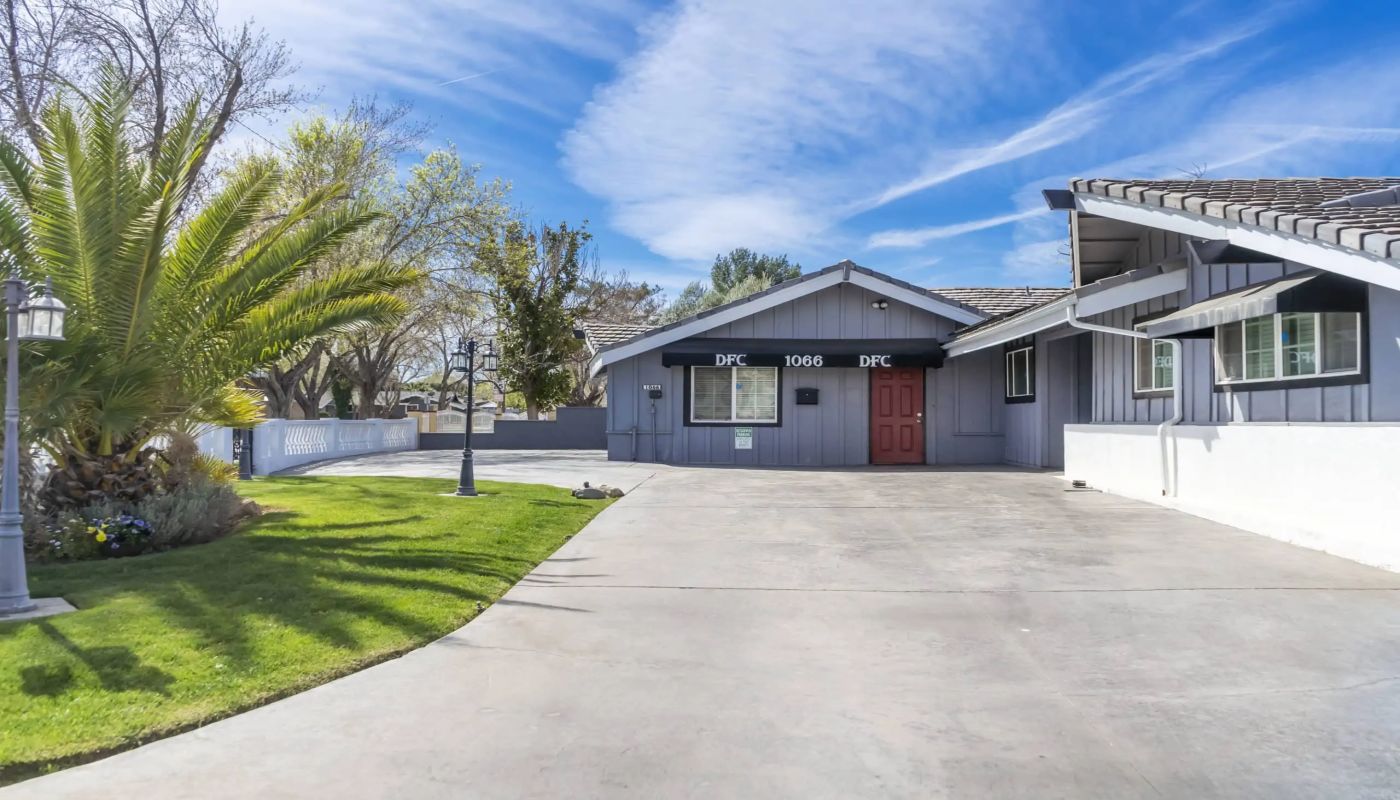
1066 E Ave., J Lancaster, CA, 93535
Center Phone
(833) 579-0145Website
designforchangerecovery.comLanguages
English
Sources & References
This listing includes information from publicly available data and provider submissions. For authoritative resources on treatment and recovery:
-
SAMHSA National Helpline
1-800-662-4357 — Free, confidential, 24/7 treatment referral service
-
National Institute on Drug Abuse (NIDA)
Research-based information on addiction science and treatment
-
FindTreatment.gov
Official SAMHSA treatment locator with verified facility data
-
NAATP
National Association of Addiction Treatment Providers — industry standards and ethics
-
CDC Overdose Prevention
Centers for Disease Control — overdose data, prevention, and naloxone guidance
-
MedlinePlus (NIH)
U.S. National Library of Medicine — patient-friendly guidance on drug use and addiction
Need Help Choosing?
Free guidance from treatment specialists
Quick facts
Check your insurance
Most plans cover detox, residential, and outpatient under federal parity law.
See all providersReady to Take the First Step?
Our specialists are available 24/7 to help you find the right program and verify your insurance.
(833) 546-3513Free • Confidential • No Obligation
Other centers in J Lancaster

Map & Directions
Verify Your Insurance
Free & confidential — takes under 2 minutes
