
Does COBRA Continuation Coverage for Rehab Cover Rehab?
COBRA (Consolidated Omnibus Budget Reconciliation Act of 1985) allows individuals to continue employer-sponsored health insurance after qualifying events (job loss, reduced hours, divorce, dependent aging out). COBRA con...
- Free & confidential
- 24/7 availability
- Verified in 5 min
- HIPAA-compliant
- No pressure, just answers
⚡ Quick Answer
Yes, COBRA Continuation Coverage for Rehab covers addiction treatment. Under the Mental Health Parity Act, COBRA Continuation Coverage for Rehab must cover substance use disorder treatment — including Same SUD benefits as underlying employer plan, Medical Detox (Levels 1-WM through 4-WM), Residential Rehab (Levels 3.1, 3.5), Partial Hospitalization (PHP, Level 2.5), and more. 5 plan types accepted. Average out-of-pocket: $0–$5,000. Call (833) 546-3513 for free verification.
Compare with other providers


COBRA Continuation Coverage for Rehab for addiction treatment: pros & cons
Real-world strengths and trade-offs to consider when planning treatment.
Pros
- Maintains exact same employer plan benefits and network
- No new prior authorization for in-progress treatment
- MHPAEA federal parity protections continue
- No medical underwriting — guaranteed continuation
- Provider continuity for ongoing SUD treatment
- Continues until you find new insurance or eligibility ends
- Cal-COBRA and Mini-COBRA extend access for small-employer employees
- OOP max accumulated under employer plan continues into COBRA period
Cons
- Cost: 100% of premium + 2% admin fee (employer no longer subsidizes)
- Typical cost $600-$2,500/month family vs employer-share $200-$600
- Marketplace with premium tax credits typically cheaper for income-eligible
- Limited duration: 18-36 months depending on qualifying event
- Must elect within 60 days of qualifying event notification
- Late premium payment can terminate coverage with limited reinstatement
- Not available for individuals on individual marketplace plans
- COBRA period delays eligibility for marketplace Special Enrollment Period
Detailed COBRA Continuation Coverage for Rehab coverage analysis
COBRA qualifying events
COBRA eligibility triggered by qualifying events: voluntary or involuntary employment termination (other than gross misconduct); reduction in hours below benefit threshold; divorce or legal separation (spouse coverage); dependent child aging out (typically 26); employee Medicare entitlement (spouse/dependent coverage); employee death. Each event triggers specific coverage duration.
COBRA duration and extension
Standard COBRA: 18 months for job loss or reduced hours. 36 months for divorce, dependent aging out, or Medicare entitlement (covering spouse/dependents). 29-month extension available if SSA Disability determination during first 60 days of COBRA. Some states (California Cal-COBRA, others) extend federal COBRA up to 36 months total for small employer groups.
COBRA cost calculation
COBRA cost: 100% of full premium (employer + employee share combined) + 2% administrative fee allowed by federal law. Typical 2026 costs: individual coverage $600-$900/month; family coverage $1,800-$2,500/month. Compare to healthcare.gov marketplace premium tax credit alternative for income-eligible enrollees.
COBRA vs marketplace comparison for SUD
For SUD treatment specifically: COBRA preserves provider continuity and accumulated OOP max. Marketplace plans require new authorization for in-progress treatment, new networks, new deductible. However, marketplace with premium tax credits is typically dramatically cheaper. For mid-treatment SUD continuity: COBRA usually wins. For new SUD treatment starts post-job-loss: marketplace usually wins financially.
COBRA election and timing
Employer must notify former employee of COBRA rights within 14 days of qualifying event. Employee has 60 days from notification to elect COBRA. Once elected, coverage is retroactive to qualifying event date — meaning continuous coverage even during election period. First premium due within 45 days of election. Subsequent premiums due within 30-day grace period.
How COBRA interacts with new employment
COBRA continues until: (1) maximum duration reached (18, 29, or 36 months); (2) failure to pay premiums; (3) new employer insurance begins; (4) Medicare entitlement. Starting new employer insurance typically terminates COBRA. However, COBRA can be maintained as supplemental coverage in limited circumstances. Coordinate with HR before electing COBRA when expecting new employment.
Cal-COBRA and Mini-COBRA state continuation
California Cal-COBRA extends federal COBRA continuation for individuals enrolled in fully-insured small group plans (2-20 employees) or who exhausted federal COBRA. Cal-COBRA total duration up to 36 months. Other state Mini-COBRA programs (NY, MA, IL, others) similarly extend federal COBRA for small-employer employees. DOL COBRA Continuation details federal framework.
COBRA for mid-treatment SUD continuity
For patients in active SUD treatment when job ends: COBRA election preserves provider, treatment plan, and authorization continuity. Critical for residential rehab, ongoing MAT, IOP. Without COBRA, mid-treatment job loss can disrupt SUD continuity with major recovery risk. Calculate COBRA cost vs continuity value: $600-$2,500/month for 18 months ($10,800-$45,000 total) often justified when active SUD treatment is ongoing.
2021 ARP COBRA subsidies (expired)
The American Rescue Plan 2021 provided temporary 100% COBRA premium subsidies for involuntarily-terminated individuals during April-September 2021. These subsidies have expired; 2026 COBRA requires full premium payment from employee. Verify with employer whether any state-level COBRA subsidies exist.
COBRA enforcement and DOL oversight
COBRA enforcement falls to DOL Employee Benefits Security Administration (EBSA). Violations include: failure to provide notice within 14 days; incorrect premium calculation; improper denial of continuation. Individuals can file complaints at askebsa.dol.gov for federal COBRA; state insurance commissioners for state extensions.
How HSA and FSA work with COBRA
Existing Health Savings Account (HSA) balance continues post-employment regardless of COBRA election. Pre-tax HSA contributions stop when employment ends. Existing Flexible Spending Account (FSA) typically forfeits unused balance at employment end. COBRA premium payments are not HSA-eligible. SUD medical expenses paid with HSA remain pretax-advantaged.
COBRA strategic timing for SUD treatment
If job loss occurs mid-SUD-treatment: elect COBRA immediately to preserve provider, network, OOP max. If job loss occurs pre-SUD-treatment: compare COBRA vs marketplace cost given expected treatment intensity. Calculate breakeven: COBRA $600-$2,500/month × treatment duration vs marketplace premium + new-plan OOP max. For comprehensive in-progress SUD care, COBRA usually wins.
What Does COBRA Continuation Coverage for Rehab Cover for Addiction Treatment?
COBRA Continuation Coverage for Rehab provides coverage for substance use disorder treatment as part of its behavioral health benefits. Under federal law — specifically the Mental Health Parity and Addiction Equity Act (MHPAEA) and the Affordable Care Act — COBRA Continuation Coverage for Rehab is required to cover addiction treatment at the same level as other medical conditions.
This means your COBRA Continuation Coverage for Rehab plan covers multiple levels of care, from initial detox through long-term outpatient support. The specific costs, referral requirements, and network restrictions depend on your plan type — see the plan comparison below.
At RehabHive, we work with COBRA Continuation Coverage for Rehab daily and can verify your specific benefits in under 5 minutes. We will tell you exactly what is covered, what your out-of-pocket costs will be, and which treatment centers near you accept your plan.
Treatment Levels Covered by COBRA Continuation Coverage for Rehab
COBRA Continuation Coverage for Rehab covers 8 levels of addiction treatment.
COBRA Continuation Coverage for Rehab Plan Types & Coverage
Your coverage level depends on your specific COBRA Continuation Coverage for Rehab plan.
| Plan | Network Type | Pre-Auth Required | Out-of-Network |
|---|---|---|---|
| Standard 18-month COBRA continuation (job loss, reduced hours) | PPO/Open | Usually | ✓ Yes |
| 36-month COBRA continuation (divorce, dependent aging out, Medicare entitlement) | PPO/Open | Usually | ✓ Yes |
| 29-month disability-based extension (SSA disability determination) | PPO/Open | Usually | ✓ Yes |
| Cal-COBRA (California state continuation — extends federal COBRA) | PPO/Open | Usually | ✓ Yes |
| Mini-COBRA (state continuation for small employers below 20 employees) | PPO/Open | Usually | ✓ Yes |
How to Verify Your COBRA Continuation Coverage for Rehab Benefits
Follow these steps — or let us handle it all for you in 5 minutes.
Prefer online over calling? Submit your COBRA Continuation Coverage for Rehab info below — we'll call you back within minutes with exact coverage details.
Verify Your Insurance Online
Free, confidential — results in under 5 minutes
Thank You!
A specialist will call you within 5 minutes to verify your benefits.
Can't wait? Call us now:
(833) 546-3513What Will You Pay Out-of-Pocket with COBRA Continuation Coverage for Rehab?
Typical costs after COBRA Continuation Coverage for Rehab coverage is applied.
| Treatment Level | In-Network Cost | Out-of-Network Cost | Typical Duration |
|---|---|---|---|
| Medical Detox | $0–$500 | $500–$2,000 | 3–7 days |
| Inpatient Rehab | $500–$3,000 | $2,000–$10,000 | 28–90 days |
| PHP | $200–$1,500 | $1,000–$5,000 | 4–8 weeks |
| IOP | $100–$1,000 | $500–$3,000 | 8–12 weeks |
| Outpatient | $20–$50/visit | $50–$150/visit | Ongoing |
| MAT | $10–$75/mo | $50–$200/mo | 6–24 months |
* Costs are estimates assuming deductible is met. Actual costs depend on your specific COBRA Continuation Coverage for Rehab plan, facility, and location.
Treatment Centers — Verify COBRA Continuation Coverage for Rehab Coverage
30 SAMHSA-verified facilities from our directory. Most accept COBRA Continuation Coverage for Rehab under federal parity law. Call (833) 546-3513 to verify specific plan coverage at any center.
 MN
MN
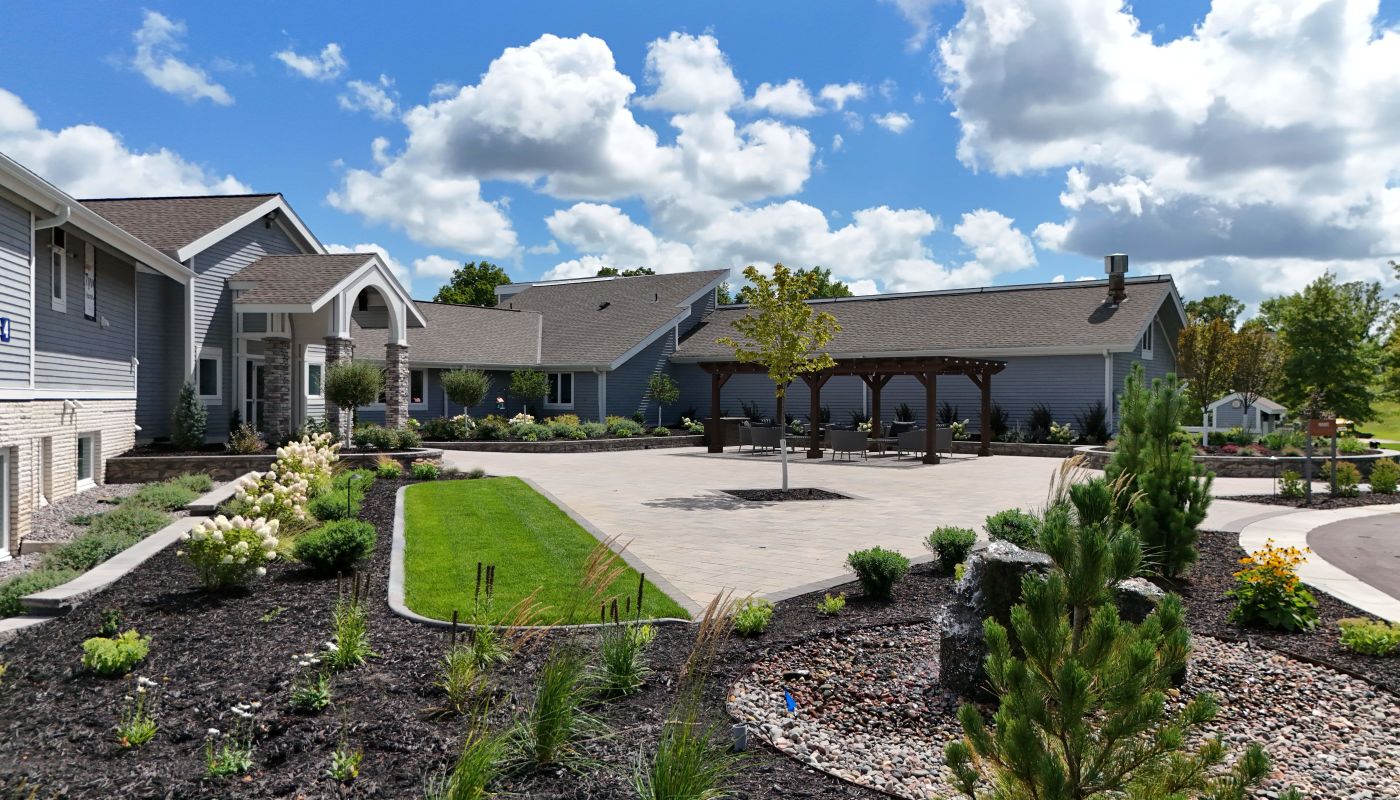
RockBridge Treatment and Recovery
Buffalo, MN
 TN
TN
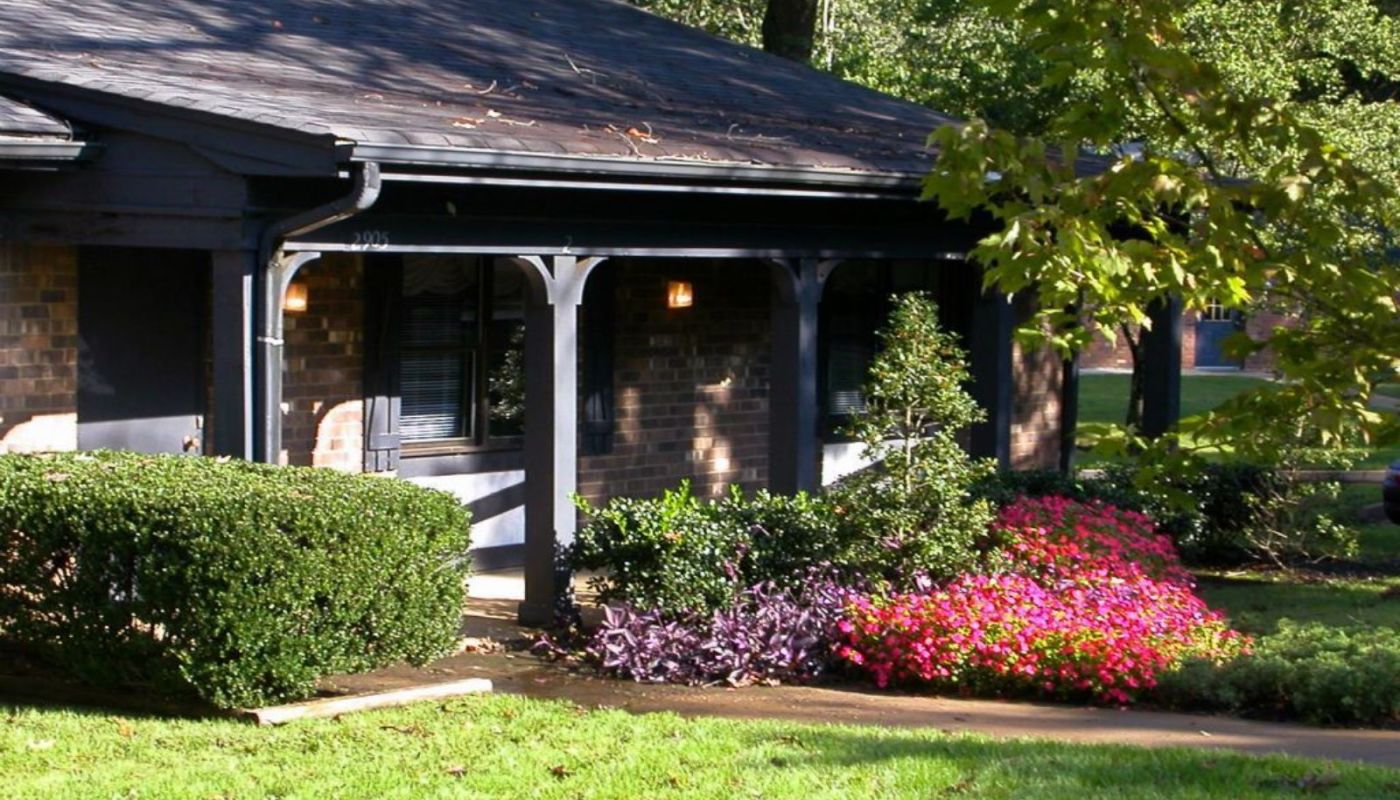
Youth Villages - Dogwood Campus
Arlington, TN
Lutheran Social Servs of Indiana
Fort Wayne, IN
 CA
CA
Towns Health Services
Galt, CA
Life Strategies Counseling Trumann
Trumann, AR
 FL
FL
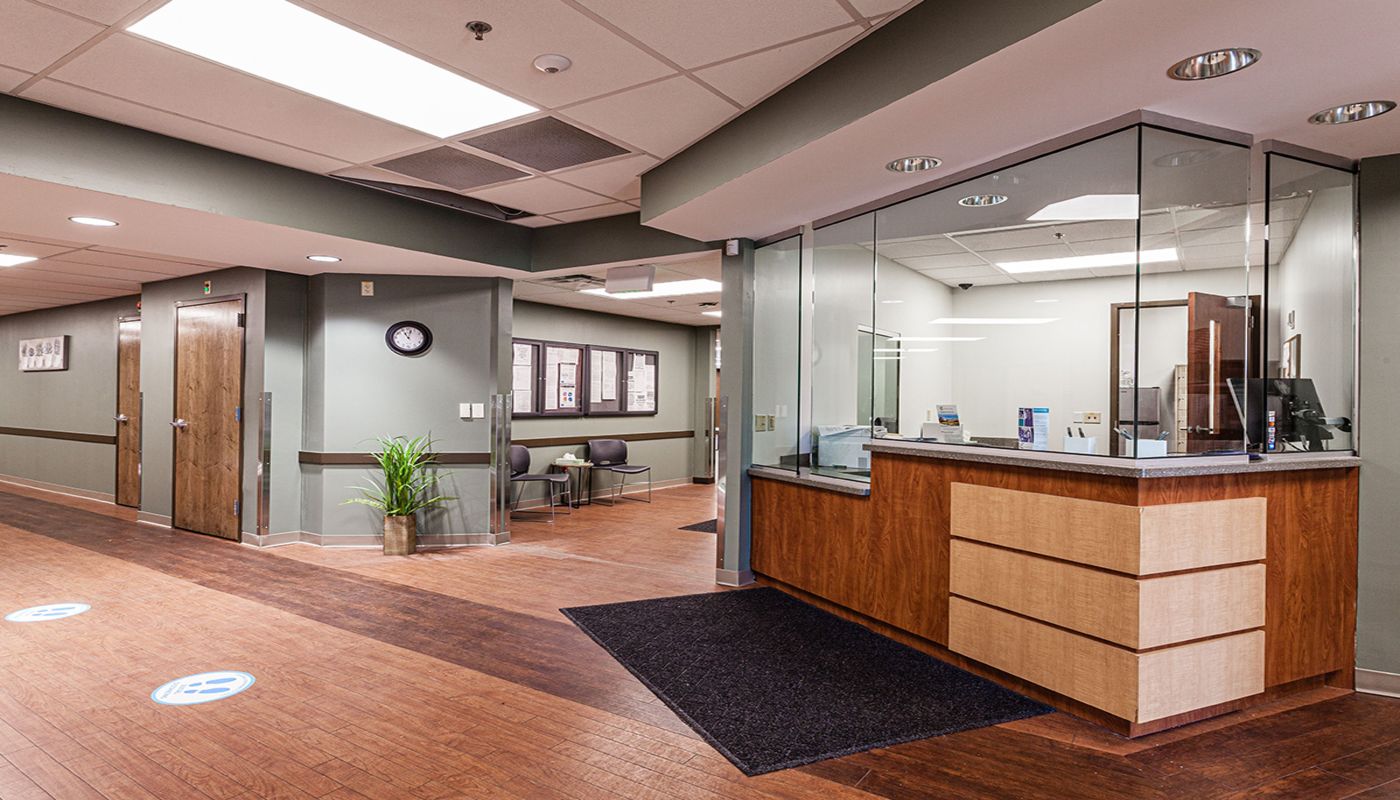
North Miami Comprehensive Treatment Center
North Miami, FL
Institute of Supportive Services
Detroit, MI
Suncoast Mental Health Center Saint Lucie
Fort Pierce, FL
 PA
PA
Pocono Mountain Recovery Center
Henryville, PA
Cummins BH Systems Boone
Lebanon, IN
 TX
TX
Serving Children and Adults in Need (SCAN) Youth Home
San Benito, TX
Pathways Center Heard County MH/AD
Franklin, GA
 WA
WA
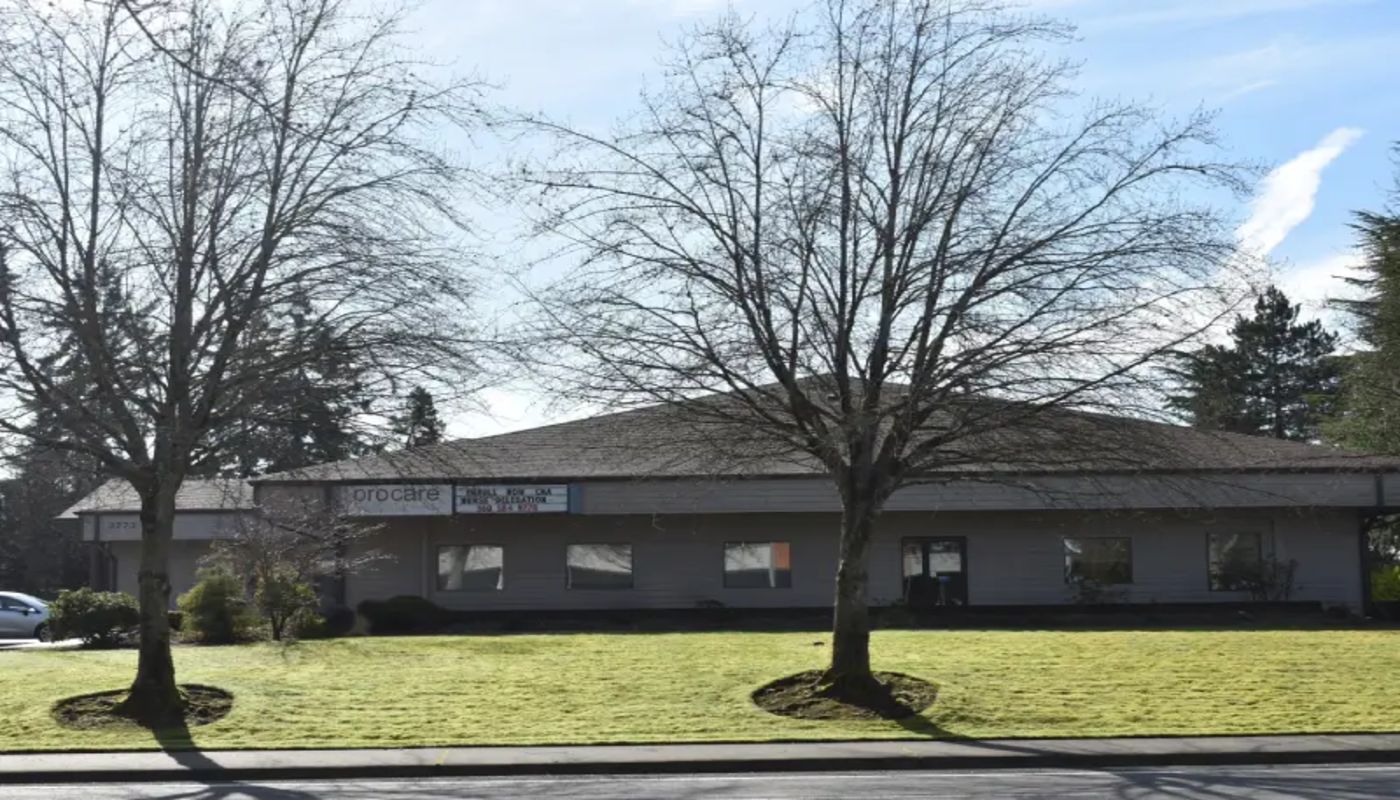
Northwest Resources II Martin Way
Olympia, WA
 MD
MD
Compass Health Center Silver Spring
Silver Spring, MD
 NE
NE
Blue Valley Behavioral Health York Office
York, NE
 MI
MI
Community Programs Meridian Health Services
Waterford, MI
 MN
MN
EOSIS New Beginnings - Litchfield
Litchfield, MN
House of Metamorphosis
San Diego, CA
 NJ
NJ
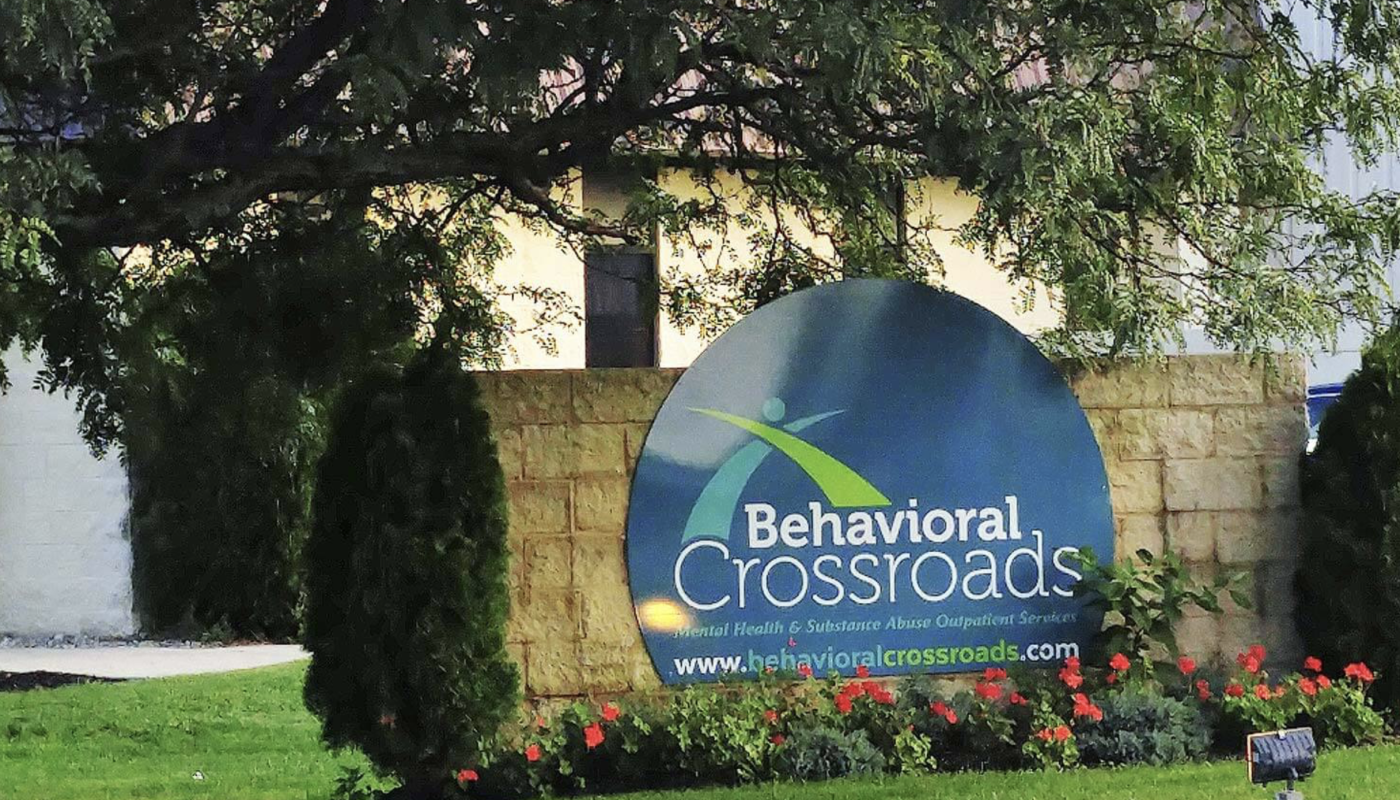
Behavioral Crossroads
Egg Harbor Township, NJ
 WA
WA
Tacoma BH Cushman Integrated Care Clinic
Tacoma, WA
 CA
CA
Tranquility Recovery Center
Sun Valley, CA
 TN
TN
AppleGate Recovery Selmer
Selmer, TN
 FL
FL
Southcoast Psychiatric Services
Boca Raton, FL
EHS Lynchburg
Forest, VA
 CO
CO
Centennial Mental Health Center
Holyoke, CO
 TN
TN
Cherokee Health Systems
Seymour, TN
My Florida Case Management Servs My Florida Medical Center
Miami, FL
Blessing Health Outpatient Behavioral Health
Quincy, IL
 LA
LA
New Beginnings at Lake Charles
Lake Charles, LA
 IL
IL
Sertoma Centre Community Mental Health and Counseling
Matteson, IL
COBRA Continuation Coverage for Rehab & Rehab: FAQ
Answers to the most asked questions about COBRA Continuation Coverage for Rehab coverage.
What is COBRA?
Does COBRA cover rehab?
How much does COBRA cost?
How long does COBRA last?
When should I choose COBRA over marketplace?
Can I elect COBRA later if I change my mind?
Does COBRA require medical underwriting?
What happens to my COBRA if I get new insurance?
How does COBRA work for mid-treatment SUD?
Are COBRA premiums tax-deductible?
Your Rights with COBRA Continuation Coverage for Rehab
Mental Health Parity Act
COBRA Continuation Coverage for Rehab must cover addiction treatment at the same level as physical health conditions. They cannot impose higher copays, stricter visit limits, or more restrictive pre-authorization for rehab.
Right to Appeal
If COBRA Continuation Coverage for Rehab denies your claim, you have the legal right to appeal. Request a written explanation and file a formal appeal. Many denials are overturned — especially with supporting documentation from your treatment provider.
Sources
- U.S. Department of Labor — Mental Health Parity and Addiction Equity Act
- HealthCare.gov — Mental Health & Substance Abuse Coverage
- SAMHSA — National Helpline (1-800-662-4357)
Last updated: March 17, 2026 • Reviewed by RehabHive editorial team
Verify Your COBRA Continuation Coverage for Rehab Coverage in Under 5 Minutes
Free. Confidential. No obligation. Two ways to start:
