
Does Medicare Advantage (Part C) Rehab Coverage Cover Rehab?
Medicare Advantage (Part C) plans are private insurer-administered alternatives to Original Medicare. MA plans must cover everything Original Medicare covers (Parts A and B) and typically include Part D prescription cove...
- Free & confidential
- 24/7 availability
- Verified in 5 min
- HIPAA-compliant
- No pressure, just answers
⚡ Quick Answer
Yes, Medicare Advantage (Part C) Rehab Coverage covers addiction treatment. Under the Mental Health Parity Act, Medicare Advantage (Part C) Rehab Coverage must cover substance use disorder treatment — including Hospital-based inpatient detox (everything Part A covers), Outpatient therapy (everything Part B covers), PHP and IOP (Part B coverage carried over), OTP methadone (since 2020 SUPPORT Act), and more. 6 plan types accepted. Average out-of-pocket: $0–$5,000. Call (833) 546-3513 for free verification.
Compare with other providers


Medicare Advantage (Part C) Rehab Coverage for addiction treatment: pros & cons
Real-world strengths and trade-offs to consider when planning treatment.
Pros
- Covers everything Original Medicare covers (Parts A and B)
- Many MA plans add supplemental residential SUD coverage
- Typically lower per-session copay vs Original Medicare coinsurance
- MA-PD bundles Part D prescription coverage (often $0 premium)
- Annual out-of-pocket maximum on MA (Original Medicare has no OOP max)
- Care coordination services (case managers, peer recovery support)
- Telehealth, fitness, dental, vision often included as supplemental
- CMS Star Ratings reward MA plans for strong SUD outcomes
Cons
- Network restrictions (HMO requires in-network except emergencies)
- Prior authorization required for many services
- Limited geographic coverage outside service area
- Cannot use any Medicare-accepting provider (only plan-network)
- Star Ratings vary plan quality; some plans have narrow SUD networks
- Plan changes can disrupt SUD treatment continuity at annual open enrollment
- Some MA plans have aggressive prior auth that can delay treatment
Detailed Medicare Advantage (Part C) Rehab Coverage coverage analysis
What MA plans must cover for SUD
All Medicare Advantage plans must cover everything Original Medicare covers under Parts A and B — including hospital detox, outpatient therapy, MAT prescriber visits, OTP methadone (since 2020 SUPPORT Act), PHP, and IOP (since 2024 SUPPORT Act 2.0). MA-PD plans also include Part D prescription coverage.
Supplemental SUD benefits at select MA plans
Some MA plans add supplemental SUD coverage Original Medicare lacks — most notably standalone freestanding residential SUD treatment (ASAM 3.1-3.5). Original Medicare covers only hospital-based inpatient; MA plans with supplemental residential benefit close this gap. Verify specific plan benefits at medicare.gov/plan-compare.
MA cost structure vs Original Medicare
MA plans typically use copay structure: $200-$400 admission copay for hospital detox; $50-$100 per PHP/IOP session; $20-$50 per outpatient therapy session. Original Medicare uses coinsurance (20% Part B) and deductible ($1,676 Part A 2026). For low-to-moderate SUD utilization, MA often cheaper without Medigap; for high utilization, Original Medicare + Medigap typically cheaper.
Annual out-of-pocket maximum on MA
2026 federal MA out-of-pocket maximum: $9,350 in-network and $14,000 combined in/out-of-network for PPO plans. Original Medicare has no out-of-pocket maximum — protection only through Medigap supplements. MA out-of-pocket cap valuable for catastrophic-cost scenarios like multi-week residential plus multiple ER visits.
2024 CMS MA Final Rule parity strengthening
The 2024 CMS MA Final Rule strengthened parity enforcement on Medicare Advantage plans. MA plans cannot impose stricter prior auth, fail-first, network adequacy, or treatment limitations on SUD benefits than on comparable medical-surgical benefits. CMS audit and Star Ratings now include SUD-specific quality measures.
MA network types and SUD access
HMO MA plans require in-network except true emergencies; narrower networks but typically lower cost. PPO MA plans allow out-of-network at reduced coverage. HMO-POS allows limited out-of-network. SNP (Special Needs Plans) target dual-eligible, chronic condition, or institutional populations with enhanced SUD benefits. PFFS plans allow any provider but provider can decline to accept the plan.
Medicare Advantage vs Original Medicare + Medigap for SUD
Trade-off analysis: MA-PD typical annual cost (Part B premium $174/mo + plan premium $0-$50/mo + copays $1,000-$2,500) = roughly $3,000-$4,500/year for moderate SUD utilization. Original Medicare + Medigap Plan G + Part D: $174/mo Part B + $145/mo Plan G + $40/mo Part D = $4,300/year premiums; near-$0 cost-share. For high SUD utilization: Original Medicare + Medigap typically wins. For low-moderate: MA wins.
How to compare MA plans for SUD coverage
Use medicare.gov/plan-compare entering your specific medications and providers. Key factors: monthly premium, out-of-pocket maximum, residential SUD supplemental benefit availability, in-network SUD facility count, prior auth burden on MAT and IOP, telehealth coverage, network adequacy. CMS Star Ratings (1-5 stars) indicate overall plan quality.
SUD coordination with Medicaid dual-eligible
Dual-eligible beneficiaries (Medicare + Medicaid) have most comprehensive coverage. Special Needs Plans (D-SNP) coordinate Medicare and Medicaid benefits for dual-eligibles. Medicaid covers Medicare cost-share, plus residential SUD treatment Medicare lacks. CMS Dual Eligible resource.
Major MA insurer SUD coverage comparison
UnitedHealthcare Medicare Advantage uses Optum Behavioral Health network (largest U.S.); Substance Use Helpline 1-855-780-5955. Humana Medicare Advantage Gold Plus includes residential SUD supplemental at select plans. Aetna Medicare Advantage uses Aetna Behavioral Health; integrated MAT prescriber network. BCBS Medicare Advantage (varies by regional Blue plan) includes BlueCard out-of-state access. Kaiser Permanente Medicare Advantage operates integrated SUD services within Kaiser network.
Annual Open Enrollment planning for SUD
Open Enrollment annually October 15 - December 7. Compare MA plans during this window. For SUD-focused enrollees, prioritize: residential SUD supplemental benefit; in-network SUD facility availability; MAT prior auth burden; telehealth access; out-of-pocket maximum. MA Open Enrollment Period (January 1 - March 31) allows MA-to-MA or MA-to-Original Medicare switches mid-year.
What Does Medicare Advantage (Part C) Rehab Coverage Cover for Addiction Treatment?
Medicare Advantage (Part C) Rehab Coverage provides coverage for substance use disorder treatment as part of its behavioral health benefits. Under federal law — specifically the Mental Health Parity and Addiction Equity Act (MHPAEA) and the Affordable Care Act — Medicare Advantage (Part C) Rehab Coverage is required to cover addiction treatment at the same level as other medical conditions.
This means your Medicare Advantage (Part C) Rehab Coverage plan covers multiple levels of care, from initial detox through long-term outpatient support. The specific costs, referral requirements, and network restrictions depend on your plan type — see the plan comparison below.
At RehabHive, we work with Medicare Advantage (Part C) Rehab Coverage daily and can verify your specific benefits in under 5 minutes. We will tell you exactly what is covered, what your out-of-pocket costs will be, and which treatment centers near you accept your plan.
Treatment Levels Covered by Medicare Advantage (Part C) Rehab Coverage
Medicare Advantage (Part C) Rehab Coverage covers 8 levels of addiction treatment.
Medicare Advantage (Part C) Rehab Coverage Plan Types & Coverage
Your coverage level depends on your specific Medicare Advantage (Part C) Rehab Coverage plan.
| Plan | Network Type | Pre-Auth Required | Out-of-Network |
|---|---|---|---|
| HMO (Health Maintenance Organization) — in-network required, lower cost | HMO | Yes | Limited |
| PPO (Preferred Provider Organization) — out-of-network at reduced coverage | PPO/Open | Usually | ✓ Yes |
| HMO-POS (Point of Service) — HMO with limited out-of-network | HMO | Yes | Limited |
| SNP (Special Needs Plan) — for dual-eligible, chronic conditions, institutional | PPO/Open | Usually | ✓ Yes |
| PFFS (Private Fee-for-Service) — provider can refuse the plan | PPO/Open | Usually | ✓ Yes |
| MSA (Medical Savings Account) — high deductible with savings account | PPO/Open | Usually | ✓ Yes |
How to Verify Your Medicare Advantage (Part C) Rehab Coverage Benefits
Follow these steps — or let us handle it all for you in 5 minutes.
Prefer online over calling? Submit your Medicare Advantage (Part C) Rehab Coverage info below — we'll call you back within minutes with exact coverage details.
Verify Your Insurance Online
Free, confidential — results in under 5 minutes
Thank You!
A specialist will call you within 5 minutes to verify your benefits.
Can't wait? Call us now:
(833) 546-3513What Will You Pay Out-of-Pocket with Medicare Advantage (Part C) Rehab Coverage?
Typical costs after Medicare Advantage (Part C) Rehab Coverage coverage is applied.
| Treatment Level | In-Network Cost | Out-of-Network Cost | Typical Duration |
|---|---|---|---|
| Medical Detox | $0–$500 | $500–$2,000 | 3–7 days |
| Inpatient Rehab | $500–$3,000 | $2,000–$10,000 | 28–90 days |
| PHP | $200–$1,500 | $1,000–$5,000 | 4–8 weeks |
| IOP | $100–$1,000 | $500–$3,000 | 8–12 weeks |
| Outpatient | $20–$50/visit | $50–$150/visit | Ongoing |
| MAT | $10–$75/mo | $50–$200/mo | 6–24 months |
* Costs are estimates assuming deductible is met. Actual costs depend on your specific Medicare Advantage (Part C) Rehab Coverage plan, facility, and location.
Treatment Centers — Verify Medicare Advantage (Part C) Rehab Coverage Coverage
30 SAMHSA-verified facilities from our directory. Most accept Medicare Advantage (Part C) Rehab Coverage under federal parity law. Call (833) 546-3513 to verify specific plan coverage at any center.
 NJ
NJ
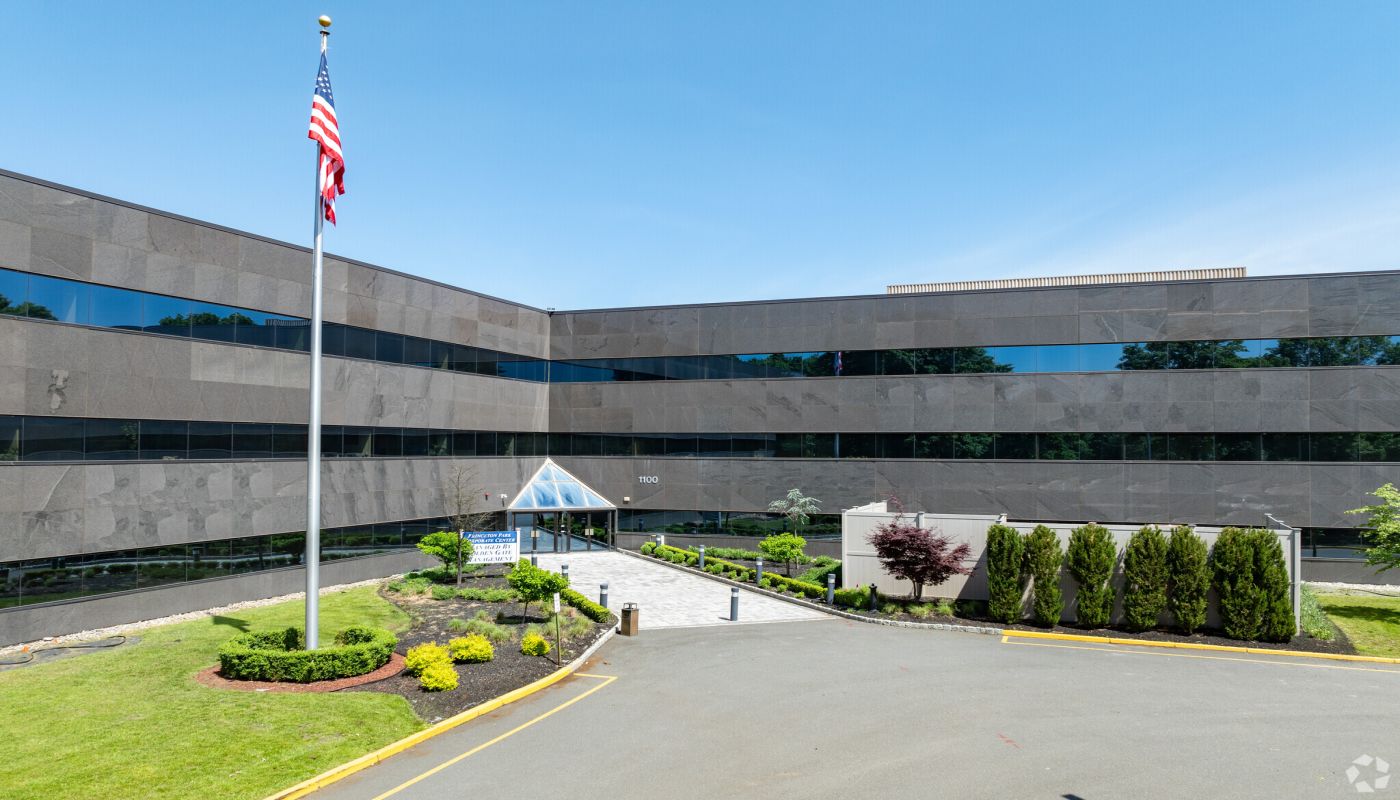
The Counseling Center at Monmouth Junction
Monmouth Junction, NJ
 IN
IN
Bowen Recovery Center
Fort Wayne, IN
AuSable Valley Community Mental Health Authority
Oscoda, MI
 CA
CA
Driver Benefits Southwest Driver Benefits Program
Torrance, CA
 CA
CA
Zak's House
Fallbrook, CA
 CT
CT
Midwestern CT Council of Alcoholism Torrington
Torrington, CT
Complete Healthcare West Addiction Treatment
Columbus, OH
 NC
NC
Monarch Behavioral Health Outpatient Office - Wake Forest
Wake Forest, NC
 MI
MI
Bay Regional Medical Center Mclaren Bay Region
Bay City, MI
 CA
CA
Ness Counseling Center
Los Angeles, CA
 NY
NY
Center for Intimacy Recovery
New York, NY
 WI
WI
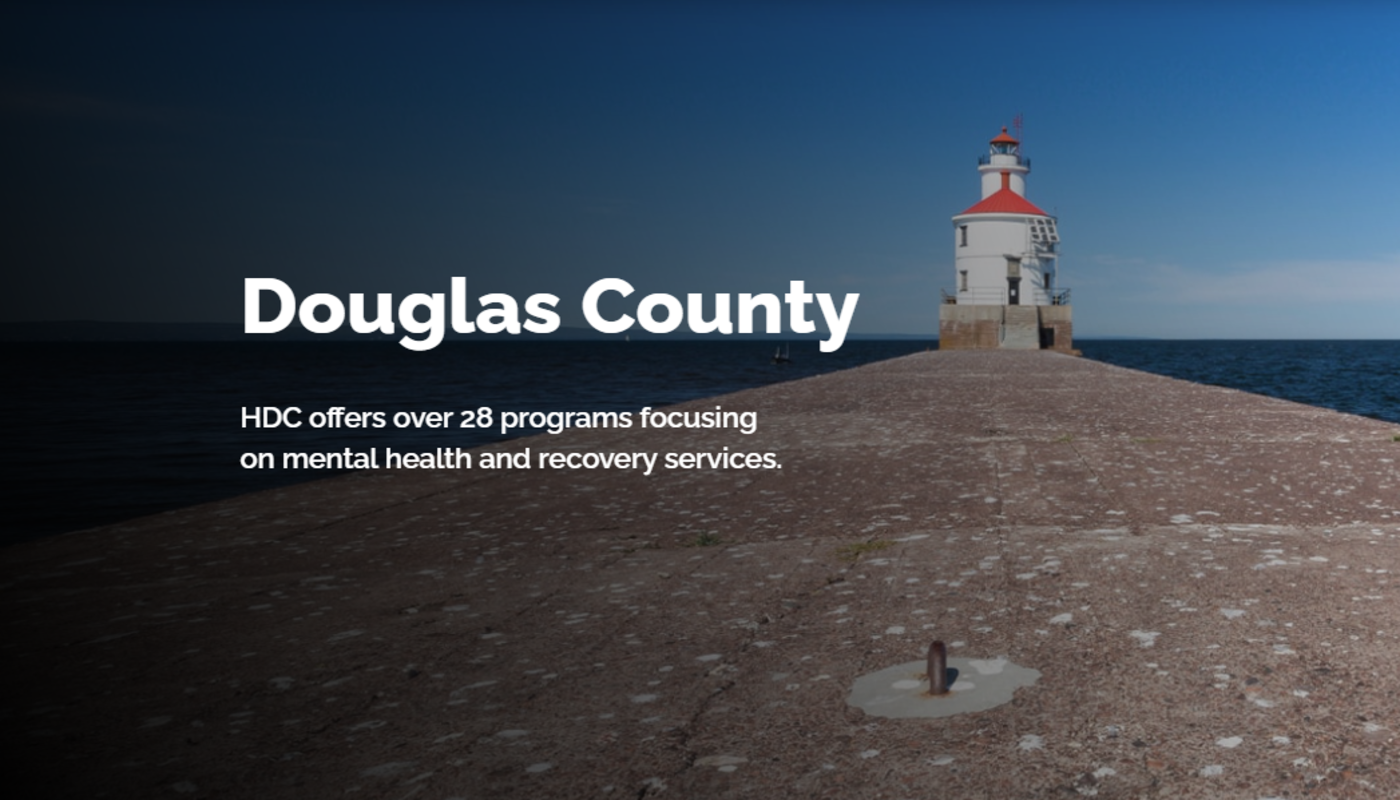
Human Development Center - Superior Campus
Superior, WI
 WA
WA
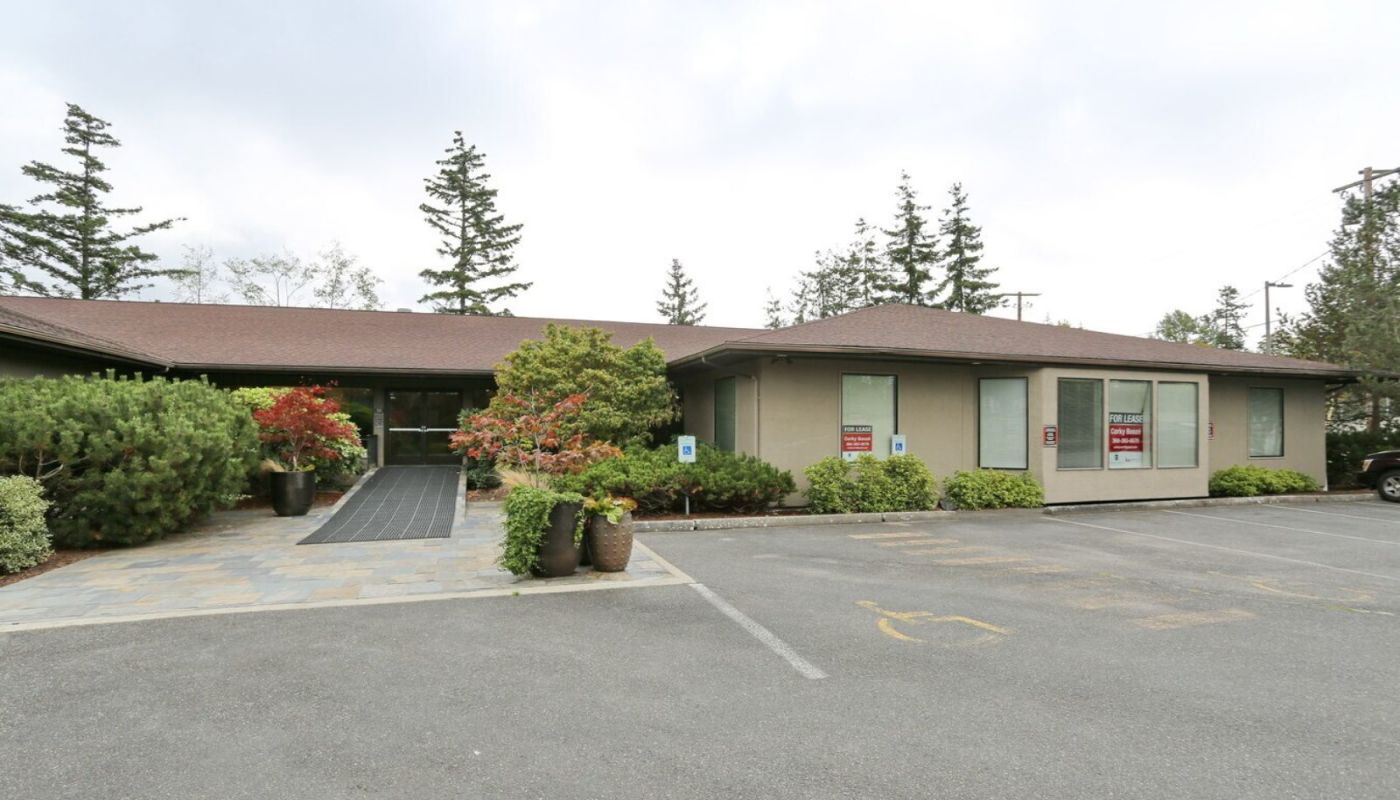
Contact Counseling Recovery Services
Bellingham, WA
 IL
IL
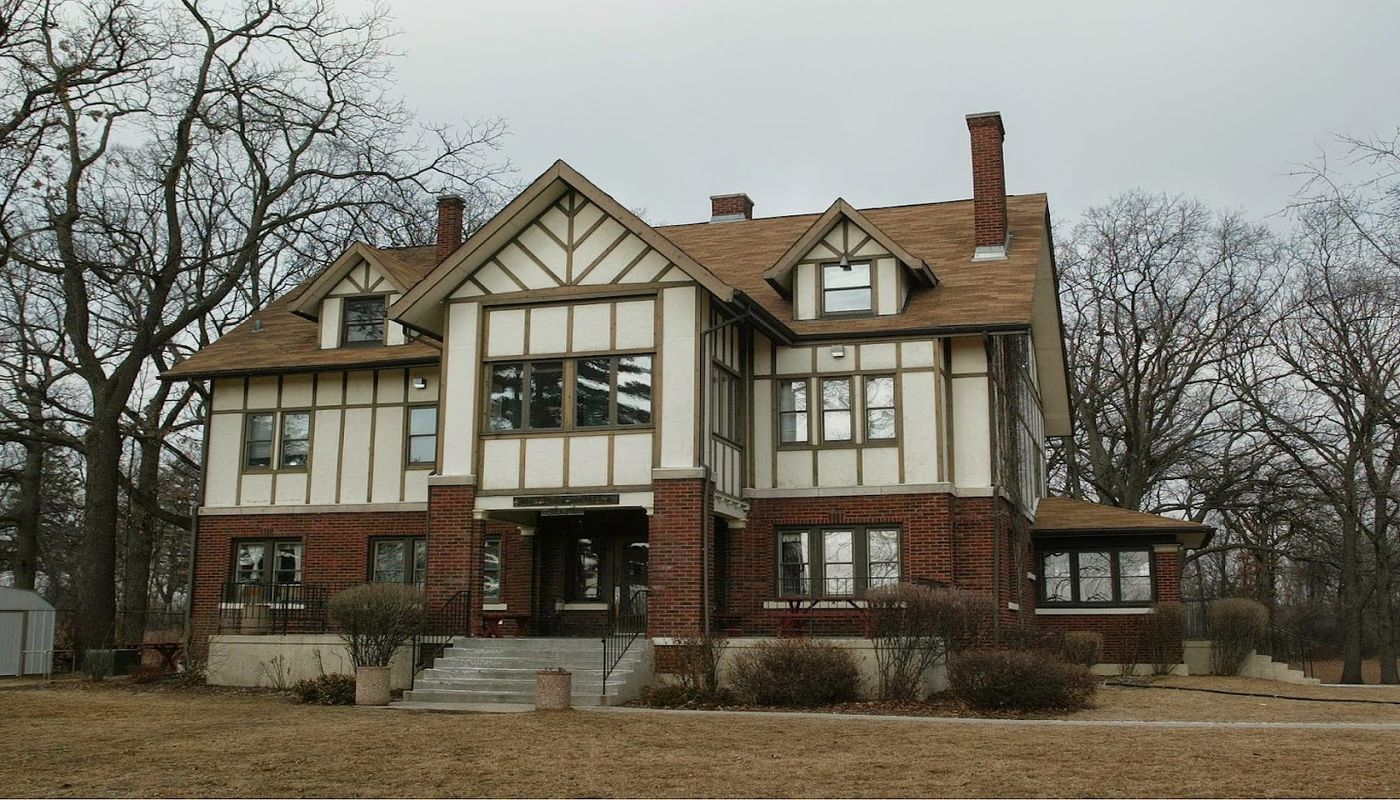
NICASA Bridge House
Waukegan, IL
 IN
IN
Hickory Treatment Center at Indianapolis
Indianapolis, IN
 OH
OH
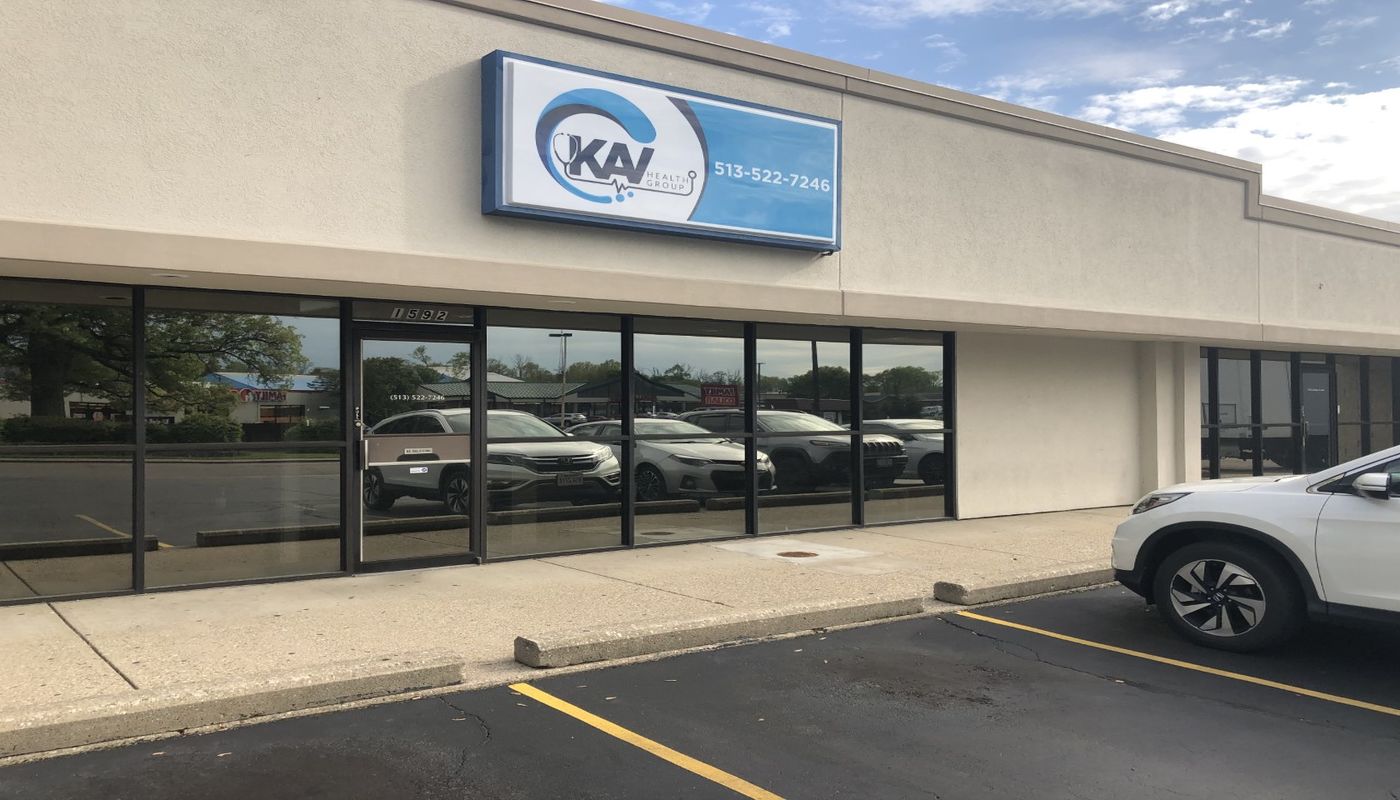
KAV Health Cincinnati West
Cincinnati, OH
 IA
IA
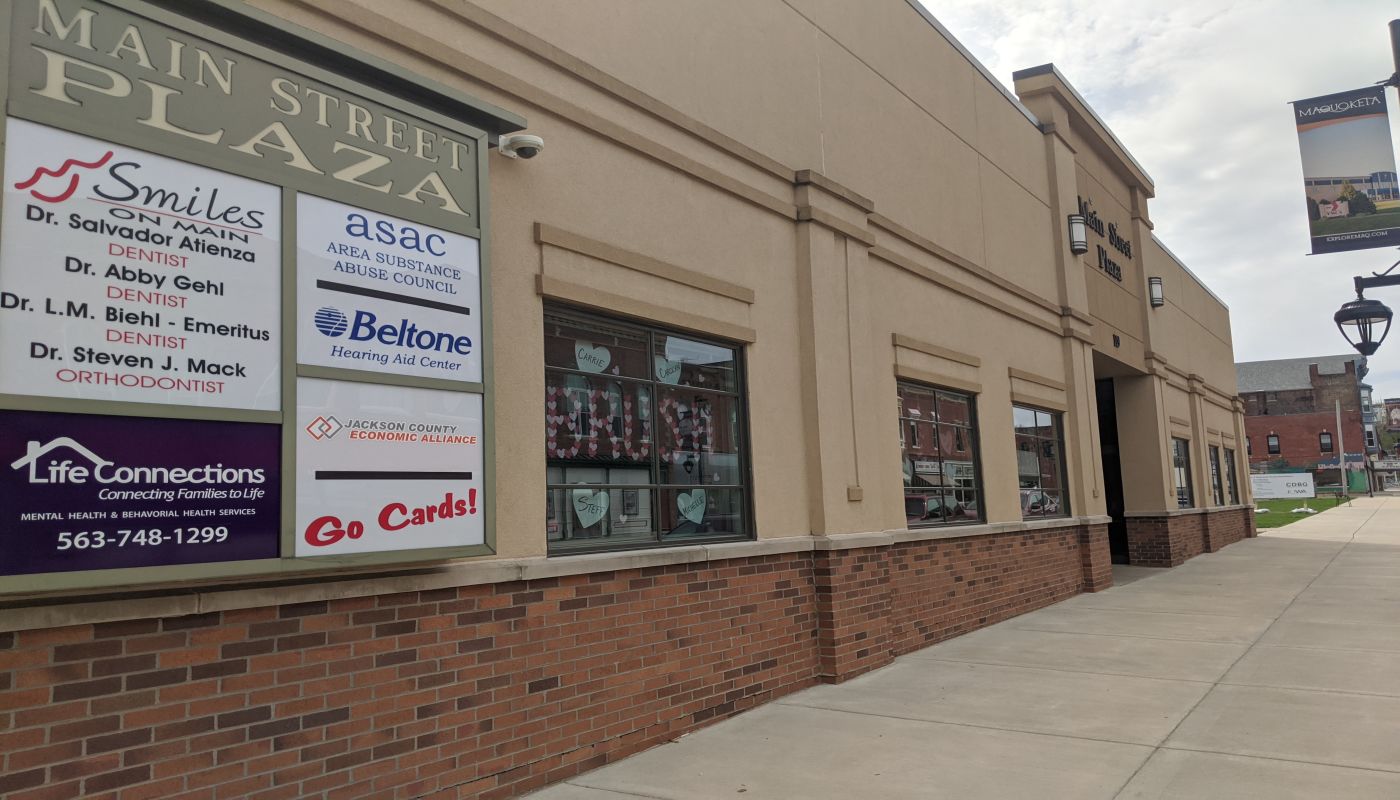
Life Connections Maquoketa
Maquoketa, IA
 ND
ND
Lake Region Outreach Office
Rolla, ND
Nambe Pueblo Tewa Roots Society
Santa Fe, NM
 SC
SC
Greater Greenville Mental Health Greer Clinic
Greer, SC
 LA
LA
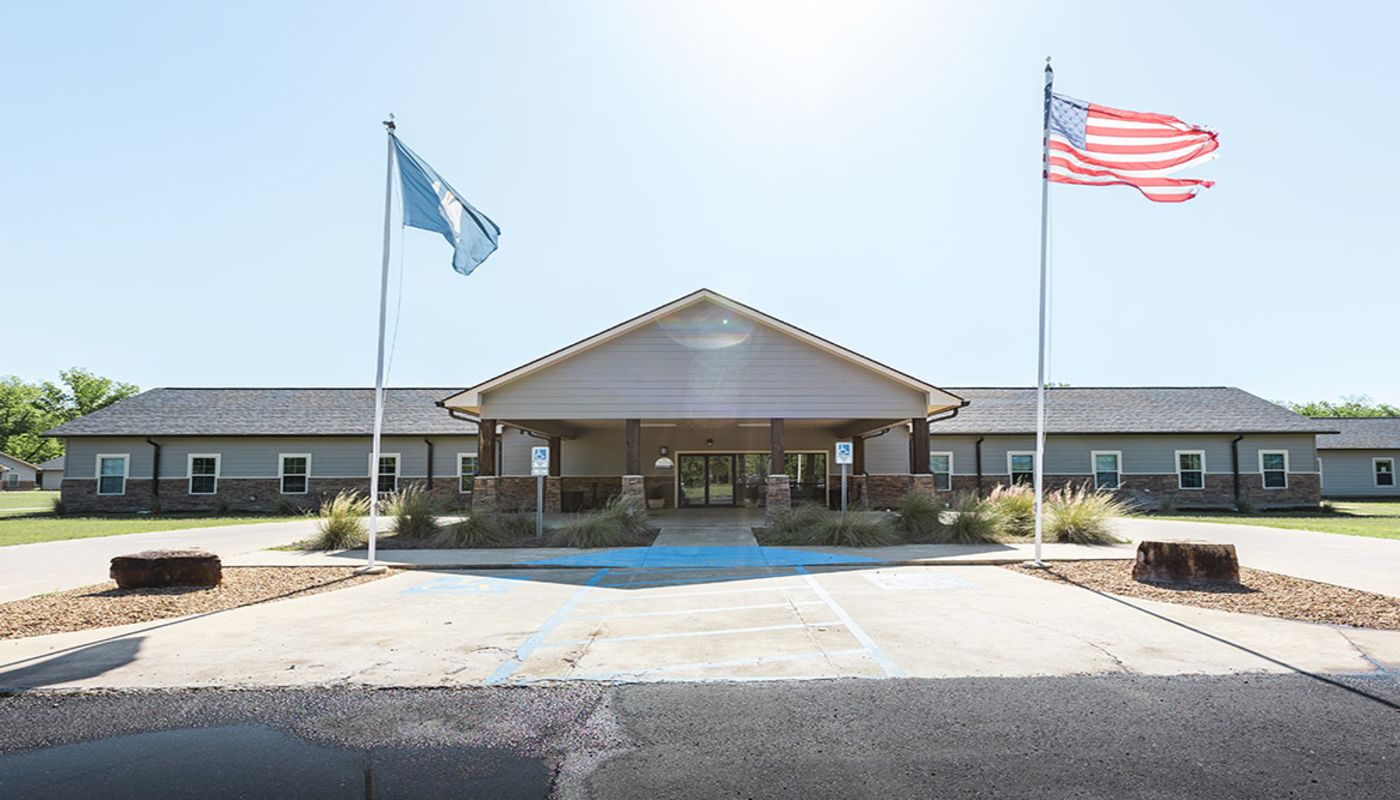
Pecan Haven
Monroe, LA
 CA
CA
Bliss Recovery Los Angeles
Los Angeles, CA
 NE
NE
Blue Valley Behavioral Health Crete Office
Crete, NE
 CA
CA
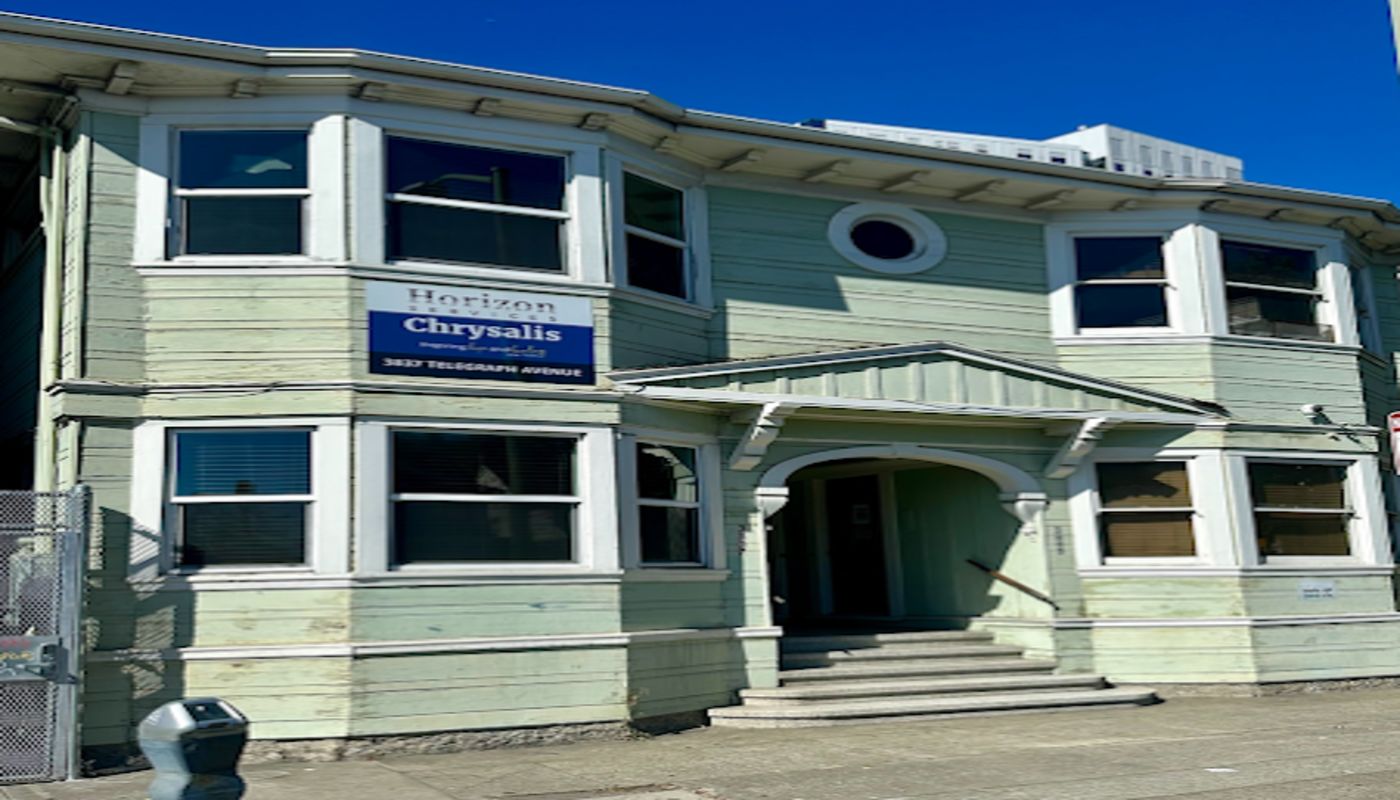
Chrysalis
Oakland, CA
 WA
WA
New Directions Counseling Shelton
Shelton, WA
 NC
NC
New Leaf Winston Salem Office
Winston Salem, NC
 WI
WI
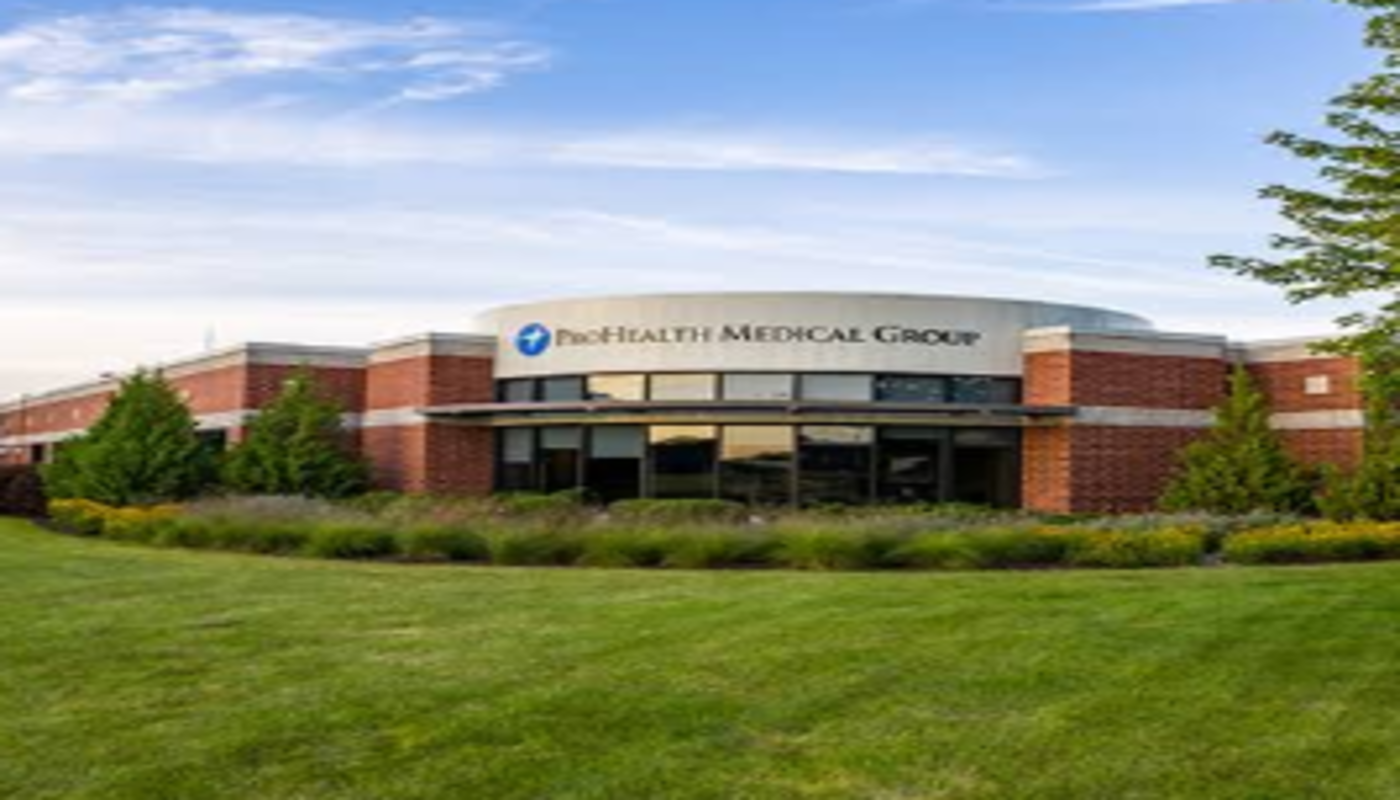
ProHealth Medical Group Clinic Hartland
Hartland, WI
 NJ
NJ
Legacy Healing Center Cherry Hill
Cherry Hill, NJ
 NJ
NJ
Prevention Resources
Flemington, NJ
 TX
TX
Hickory Wind Ranch
Austin, TX
Medicare Advantage (Part C) Rehab Coverage & Rehab: FAQ
Answers to the most asked questions about Medicare Advantage (Part C) Rehab Coverage coverage.
Does Medicare Advantage cover rehab?
Does Medicare Advantage cover residential rehab?
How much does Medicare Advantage rehab cost?
Does Medicare Advantage require prior authorization?
Can I switch from Medicare Advantage to Original Medicare?
What is a Special Needs Plan (SNP) for SUD?
Are CMS Star Ratings relevant for SUD?
Does Medicare Advantage cover telehealth SUD?
How does dual-eligible Medicare + Medicaid work for SUD?
How do I find a Medicare Advantage plan with good SUD coverage?
Your Rights with Medicare Advantage (Part C) Rehab Coverage
Mental Health Parity Act
Medicare Advantage (Part C) Rehab Coverage must cover addiction treatment at the same level as physical health conditions. They cannot impose higher copays, stricter visit limits, or more restrictive pre-authorization for rehab.
Right to Appeal
If Medicare Advantage (Part C) Rehab Coverage denies your claim, you have the legal right to appeal. Request a written explanation and file a formal appeal. Many denials are overturned — especially with supporting documentation from your treatment provider.
Sources
- U.S. Department of Labor — Mental Health Parity and Addiction Equity Act
- HealthCare.gov — Mental Health & Substance Abuse Coverage
- SAMHSA — National Helpline (1-800-662-4357)
Last updated: March 17, 2026 • Reviewed by RehabHive editorial team
Verify Your Medicare Advantage (Part C) Rehab Coverage Coverage in Under 5 Minutes
Free. Confidential. No obligation. Two ways to start:
