
Does VA Healthcare Substance Use Disorder Coverage Cover Rehab?
VA Healthcare provides comprehensive substance use disorder (SUD) treatment for enrolled veterans of any service branch. VA SUD services include Substance Abuse Treatment Programs (SATPs), residential and outpatient care...
- Free & confidential
- 24/7 availability
- Verified in 5 min
- HIPAA-compliant
- No pressure, just answers
⚡ Quick Answer
Yes, VA Healthcare Substance Use Disorder Coverage covers addiction treatment. Under the Mental Health Parity Act, VA Healthcare Substance Use Disorder Coverage must cover substance use disorder treatment — including Medical Detox (Hospital-based and ambulatory), Residential SUD Treatment Programs (SATPs), Intensive Outpatient (IOP) and Partial Hospitalization (PHP), Outpatient SUD Therapy and Counseling, and more. 7 plan types accepted. Average out-of-pocket: $0–$5,000. Call (833) 546-3513 for free verification.
Compare with other providers


VA Healthcare Substance Use Disorder Coverage for addiction treatment: pros & cons
Real-world strengths and trade-offs to consider when planning treatment.
Pros
- Largest U.S. integrated SUD treatment system (1,200+ SATPs)
- Free for service-connected SUD or low-income veterans
- VA specialty expertise in combat trauma, MST, TBI, moral injury
- PTSD-SUD integrated programs (rare in commercial settings)
- Continuity with VA primary care and mental health
- VA Community Care Network covers civilian providers when VA capacity insufficient
- Peer recovery support specialists (veterans with lived recovery)
- Veteran-specific cultural competence
Cons
- VA enrollment required (not all veterans enrolled)
- Wait times can be significant in some markets
- Geographic constraints — rural veterans may travel far to VA facility
- Limited civilian provider choice (CCN authorization required)
- Some veterans avoid VA due to stigma or prior negative experiences
- Eligibility category determines coverage scope (priority groups 1-8)
- Income thresholds for cost-share may impact moderate-income veterans
Detailed VA Healthcare Substance Use Disorder Coverage coverage analysis
VA enrollment and eligibility
VA Healthcare enrollment requires military service eligibility. VA eligibility: 24 continuous months of active-duty service (with exceptions for service-connected conditions, OEF/OIF/OND veterans, Purple Heart recipients, others). Apply at va.gov/health-care/apply or in-person at any VA medical center. Enrollment processing typically 4-6 weeks.
VA Substance Abuse Treatment Programs (SATPs)
VA operates Substance Abuse Treatment Programs at 1,200+ locations including: ambulatory SUD clinics; intensive outpatient programs; residential SUD programs (specialized for veterans); domiciliary care (residential + housing integration); inpatient detox at VA medical centers. VA SUD Treatment directory locates programs.
VA priority groups and cost-share
VA priority groups 1-8 determine eligibility scope and cost-share. Priority 1 (50%+ service-connected): free care, no copays. Priority 2-3 (lower service-connected): free care for service-connected conditions; copays for non-service-connected. Priority 4-5 (catastrophic disability or low-income): free or minimal copays. Priority 6-7 (mid-income veterans): copays apply. Priority 8 (higher-income recent enrollees): higher copays but still significantly subsidized.
VA Community Care Network (CCN)
VA Community Care Network (CCN), replacing Veterans Choice Program in 2019, pays civilian providers for VA-authorized care when VA cannot provide timely or geographic-accessible service. VA CCN details. CCN expanded SUD treatment access significantly for rural veterans. Authorization through VA primary care or behavioral health required.
PTSD-SUD integrated treatment
VA operates specialized PTSD-SUD integrated programs recognizing the high co-occurrence of combat trauma with SUD. National Center for PTSD evidence-based treatments include Cognitive Processing Therapy (CPT), Prolonged Exposure (PE), and EMDR. PTSD-SUD specialty programs at most VA medical centers — particularly valuable since civilian programs may lack military trauma expertise. VA National Center for PTSD.
VA MAT availability
VA provides comprehensive MAT for veterans with OUD: buprenorphine prescribed via VA primary care, VA mental health, or VA SATPs. Methadone available at VA-affiliated OTPs. Vivitrol injections administered at VA medical centers. Coverage free for service-connected OUD; modest copays for non-service-connected veterans above income threshold.
VA Homeless Veterans Programs (HCHV)
VA Health Care for Homeless Veterans (HCHV) Programs integrate SUD treatment with housing support. VA Homeless Programs: HUD-VASH (Housing and Urban Development VA Supportive Housing) provides rental vouchers + VA case management. Critical for veterans with co-occurring homelessness and SUD.
VA Women Veterans SUD programs
VA Women Veterans Health Care Programs include specialized SUD services addressing female veterans' unique needs: military sexual trauma (MST), pregnancy with SUD, women veteran community integration. VA Women Veterans Health resource. Some VA medical centers operate women-only SUD residential programs.
VA telehealth SUD services
VA telehealth platform (My HealtheVet portal) provides telehealth SUD therapy, MAT management, peer support, follow-up care. Particularly valuable for rural veterans lacking local VA SUD providers. VA telehealth expansion 2020-2026 dramatically increased remote SUD service access.
Veterans Crisis Line and SUD coordination
Veterans Crisis Line (988, press 1, or text 838255) provides 24/7 crisis support for veterans with SUD, mental health, or suicidal ideation. Crisis Line responders coordinate with VA SUD programs for emergency admissions. Crisis Line responders include veterans and trained crisis professionals. Veterans Crisis Line resource. Free, confidential.
VA SUD outcomes data
VA tracks SUD outcomes through the Mental Health Information System (MHIS). VA SUD outcomes consistently strong relative to commercial settings due to: integrated medical/mental health/SUD care; veteran-specific cultural competence; combat trauma expertise; peer recovery support specialists; PTSD-SUD integrated treatment availability. Active research on improving SUD outcomes for OEF/OIF/OND veterans and women veterans.
What Does VA Healthcare Substance Use Disorder Coverage Cover for Addiction Treatment?
VA Healthcare Substance Use Disorder Coverage provides coverage for substance use disorder treatment as part of its behavioral health benefits. Under federal law — specifically the Mental Health Parity and Addiction Equity Act (MHPAEA) and the Affordable Care Act — VA Healthcare Substance Use Disorder Coverage is required to cover addiction treatment at the same level as other medical conditions.
This means your VA Healthcare Substance Use Disorder Coverage plan covers multiple levels of care, from initial detox through long-term outpatient support. The specific costs, referral requirements, and network restrictions depend on your plan type — see the plan comparison below.
At RehabHive, we work with VA Healthcare Substance Use Disorder Coverage daily and can verify your specific benefits in under 5 minutes. We will tell you exactly what is covered, what your out-of-pocket costs will be, and which treatment centers near you accept your plan.
Treatment Levels Covered by VA Healthcare Substance Use Disorder Coverage
VA Healthcare Substance Use Disorder Coverage covers 9 levels of addiction treatment.
VA Healthcare Substance Use Disorder Coverage Plan Types & Coverage
Your coverage level depends on your specific VA Healthcare Substance Use Disorder Coverage plan.
| Plan | Network Type | Pre-Auth Required | Out-of-Network |
|---|---|---|---|
| VA Healthcare standard enrollment (eligibility based on military service) | PPO/Open | Usually | ✓ Yes |
| VA Community Care Network (CCN) — civilian providers paid by VA | PPO/Open | Usually | ✓ Yes |
| VA Substance Abuse Treatment Programs (SATPs) — 1,200+ locations nationally | PPO/Open | Usually | ✓ Yes |
| VA Mental Health and SUD integrated specialty programs | PPO/Open | Usually | ✓ Yes |
| VA Homeless Veterans Programs (HCHV) — SUD with housing support | PPO/Open | Usually | ✓ Yes |
| VA Women Veterans Health Care Programs | PPO/Open | Usually | ✓ Yes |
| VA Office of Mental Health and Suicide Prevention initiatives | PPO/Open | Usually | ✓ Yes |
How to Verify Your VA Healthcare Substance Use Disorder Coverage Benefits
Follow these steps — or let us handle it all for you in 5 minutes.
Prefer online over calling? Submit your VA Healthcare Substance Use Disorder Coverage info below — we'll call you back within minutes with exact coverage details.
Verify Your Insurance Online
Free, confidential — results in under 5 minutes
Thank You!
A specialist will call you within 5 minutes to verify your benefits.
Can't wait? Call us now:
(833) 546-3513What Will You Pay Out-of-Pocket with VA Healthcare Substance Use Disorder Coverage?
Typical costs after VA Healthcare Substance Use Disorder Coverage coverage is applied.
| Treatment Level | In-Network Cost | Out-of-Network Cost | Typical Duration |
|---|---|---|---|
| Medical Detox | $0–$500 | $500–$2,000 | 3–7 days |
| Inpatient Rehab | $500–$3,000 | $2,000–$10,000 | 28–90 days |
| PHP | $200–$1,500 | $1,000–$5,000 | 4–8 weeks |
| IOP | $100–$1,000 | $500–$3,000 | 8–12 weeks |
| Outpatient | $20–$50/visit | $50–$150/visit | Ongoing |
| MAT | $10–$75/mo | $50–$200/mo | 6–24 months |
* Costs are estimates assuming deductible is met. Actual costs depend on your specific VA Healthcare Substance Use Disorder Coverage plan, facility, and location.
Treatment Centers — Verify VA Healthcare Substance Use Disorder Coverage Coverage
30 SAMHSA-verified facilities from our directory. Most accept VA Healthcare Substance Use Disorder Coverage under federal parity law. Call (833) 546-3513 to verify specific plan coverage at any center.
 MA
MA
LEADER at McLean Hospital
Belmont, MA
 NC
NC
Sandhills Behavioral Care
Rockingham, NC
 ND
ND
Faa Adiction Services
Minot, ND
 IL
IL
LifeStance Health Aurora
Aurora, IL
 WA
WA
Columbia Counseling 607
Wenatchee, WA
 NY
NY
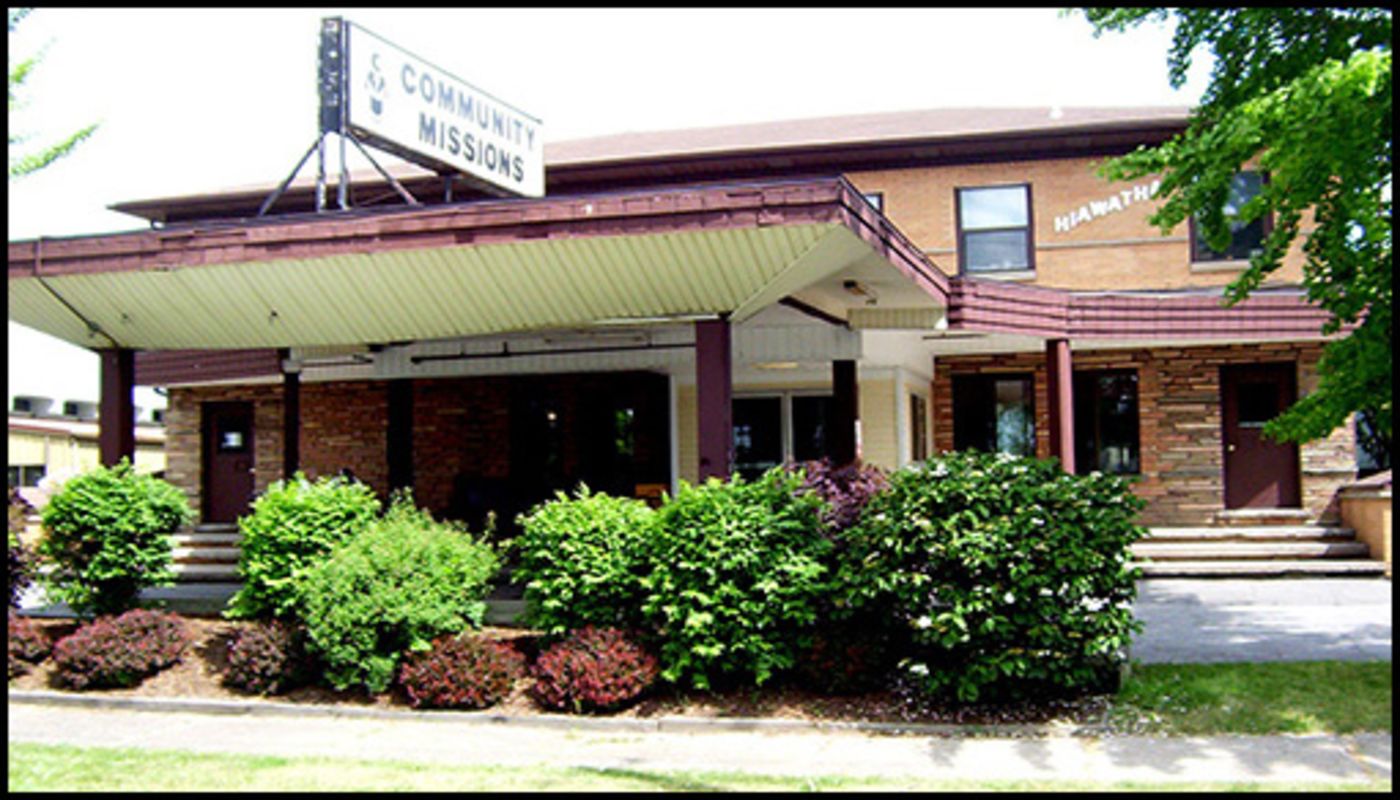
Community Missions of Niagara Frontier, Inc.
Niagara Falls, NY
 TN
TN
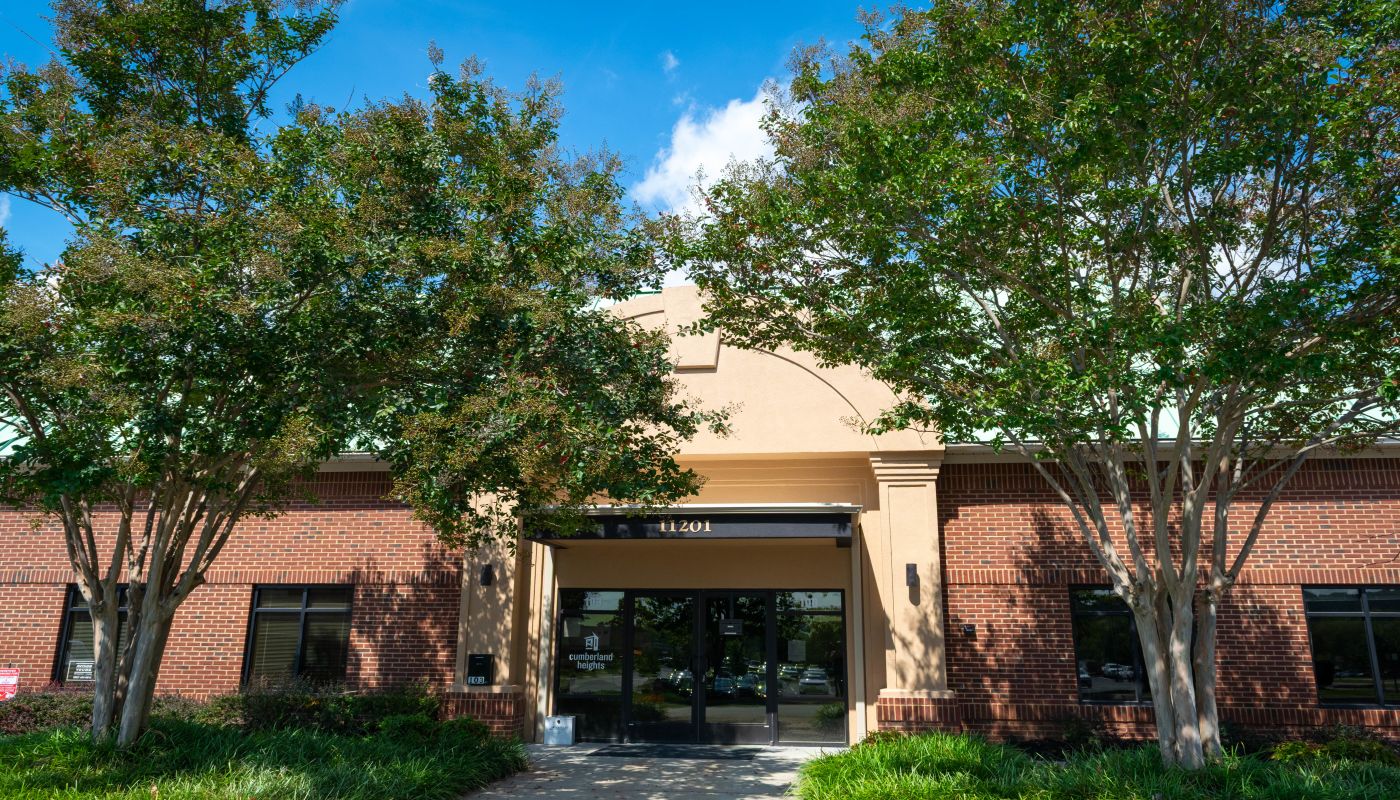
Cumberland Heights Knoxville-Farragut
Farragut, TN
 FL
FL
Tallahassee Outpatient Annex North Florida South Georgia VA Health
Tallahassee, FL
 TX
TX
Eating Recovery Center Houston
Houston, TX
 OK
OK
Duncan Regional Hospital
Duncan, OK
 NY
NY
Pinny Cooke/Browncroft Residential Reintegration
Rochester, NY
 IN
IN
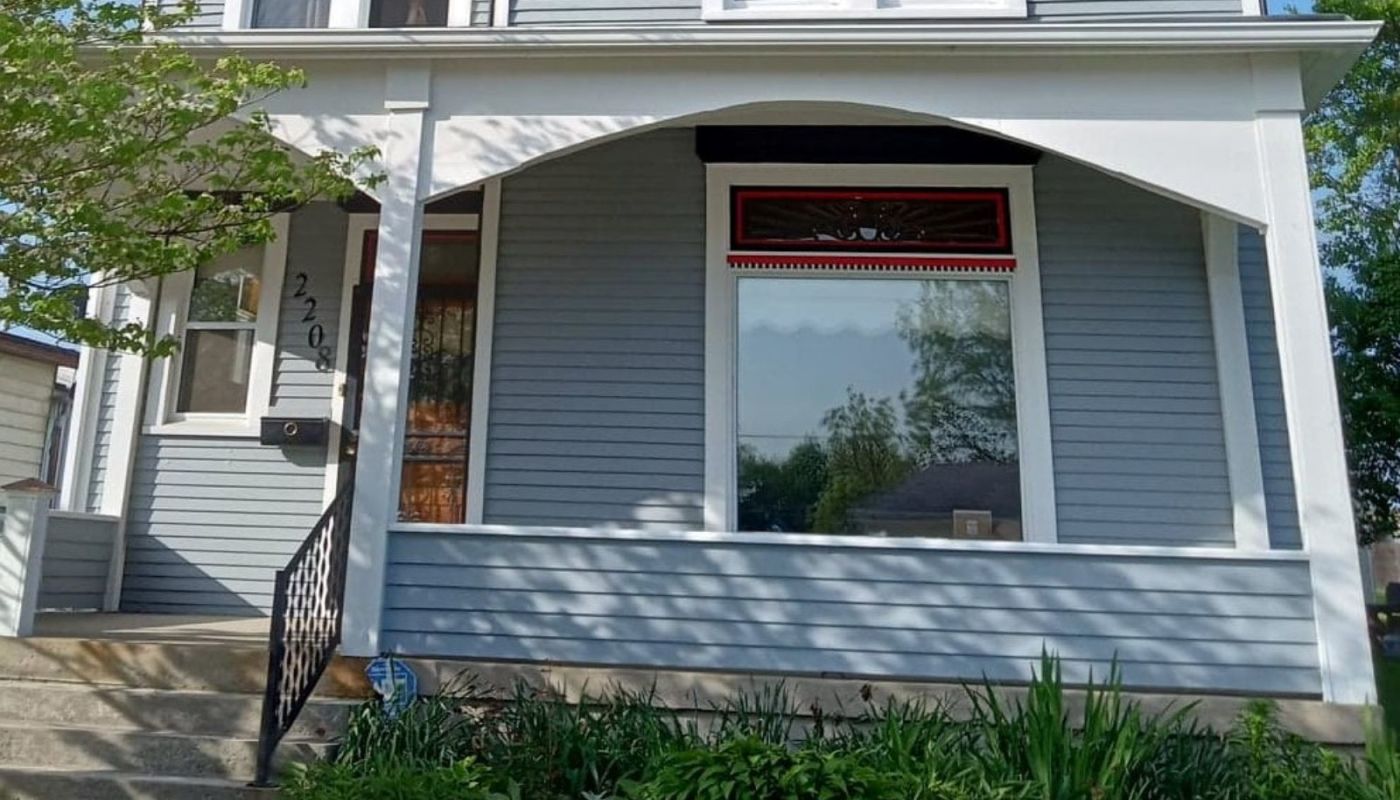
The Rose Home
Fort Wayne, IN
 CA
CA
AMFM Mental Health Treatment
Dana Point, CA
 MN
MN
Northland Counseling Center
Aitkin, MN
 FL
FL
Insight Program
Tampa, FL
 MD
MD
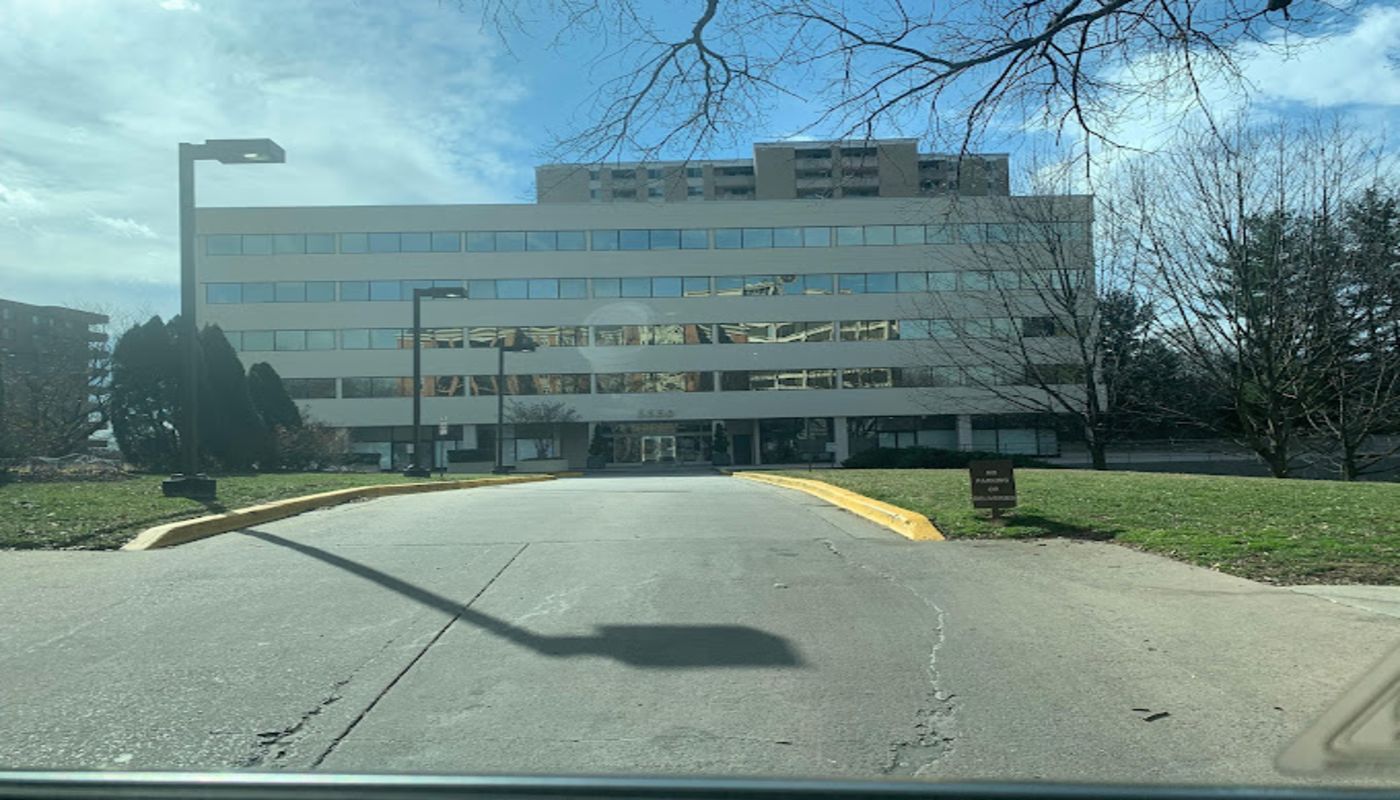
LifeStance Health Chevy Chase
Chevy Chase, MD
Specialized Treatment Services
Saint Paul, MN
 MI
MI
CMS Sterling Heights
Sterling Heights, MI
 MT
MT
Recovery Centers of Montana - Women's Program
Martin City, MT
 FL
FL
Boca Detox Center
Boynton Beach, FL
 CT
CT
State Street Counseling Services Cornell Scott Hill Health Center
New Haven, CT
 KY
KY
Bellevue CBOC
Bellevue, KY
 MA
MA
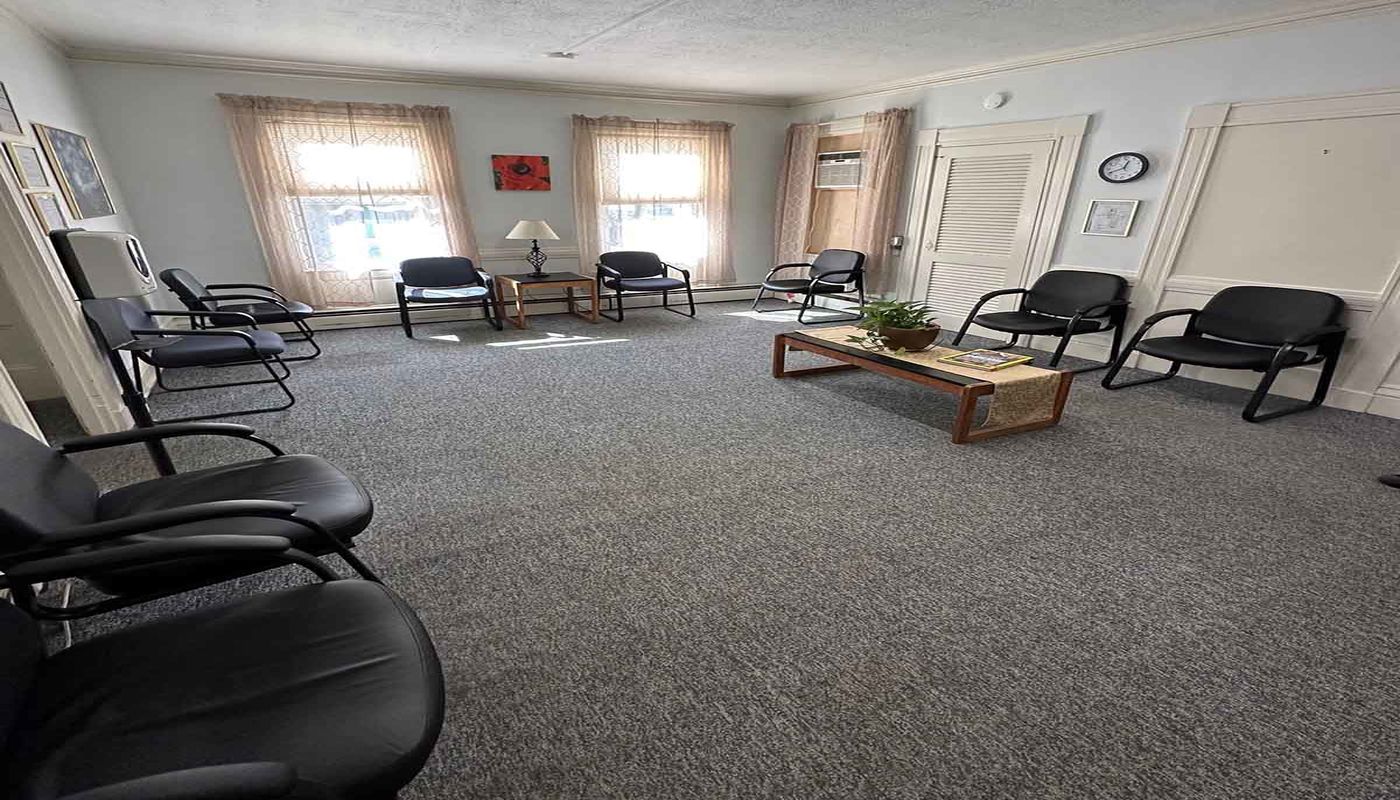
Northeast Health Services - Middleborough
Middleborough, MA
Alpha Counseling and Treatment
Provo, UT
Wedge Recovery Centers Juniper
Philadelphia, PA
 TN
TN
Volunteer Behavioral Health Franklin Campus
Franklin, TN
 FL
FL
Trident Counseling Outpatient Services
Largo, FL
 SC
SC
Emend Healthcare
Darlington, SC
 CA
CA
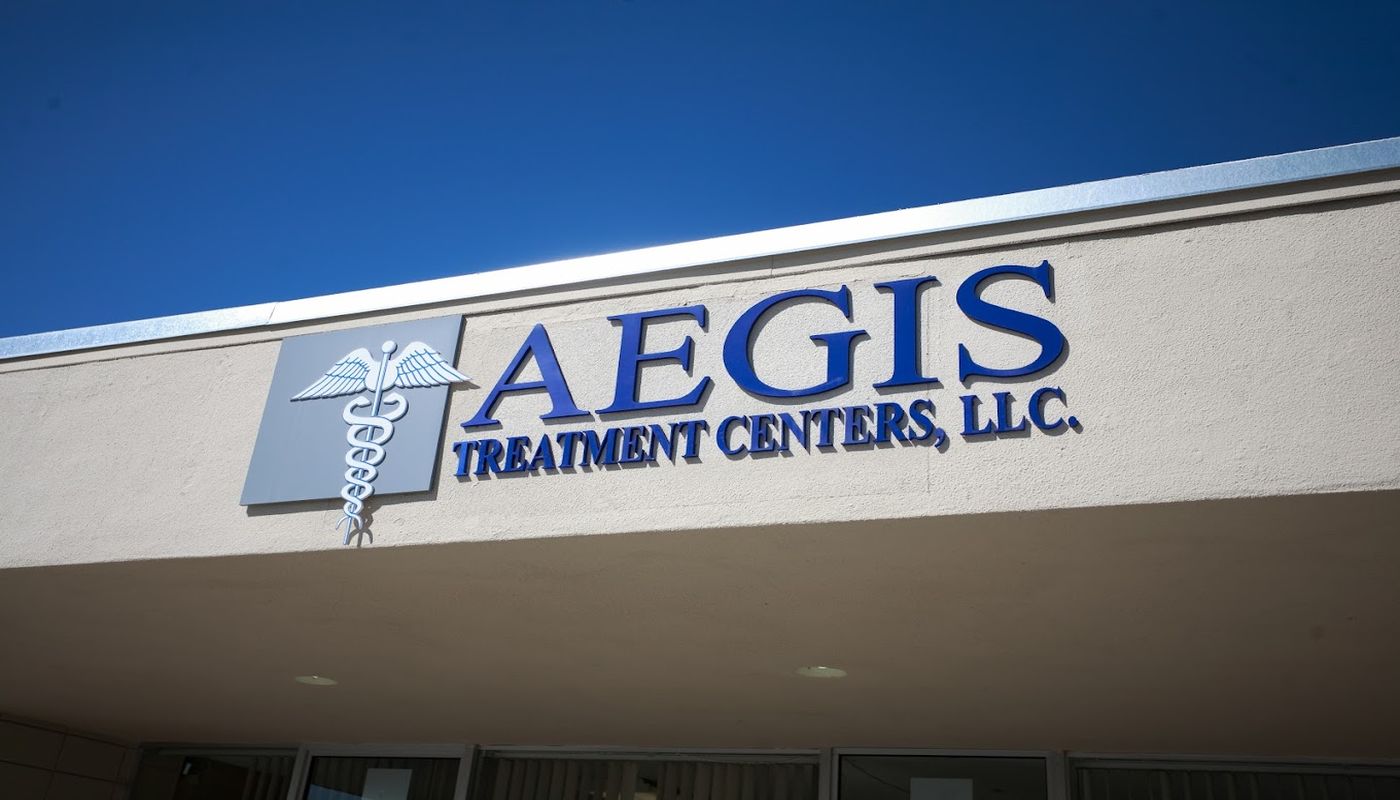
Aegis Treatment Centers Santa Maria
Santa Maria, CA
 PA
PA
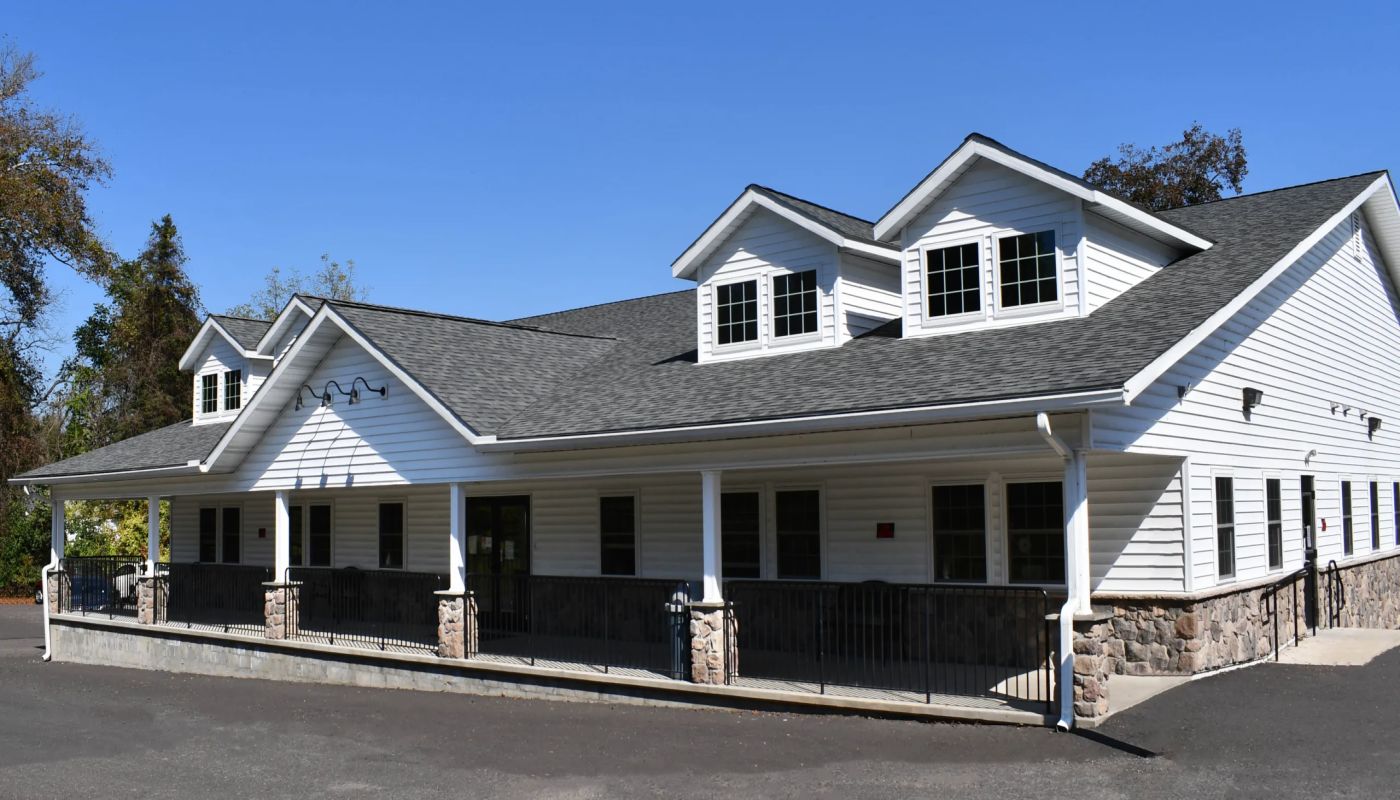
Pyramid Langhorne Detox and Residential
Langhorne, PA
VA Healthcare Substance Use Disorder Coverage & Rehab: FAQ
Answers to the most asked questions about VA Healthcare Substance Use Disorder Coverage coverage.
Does VA cover rehab?
Who is eligible for VA SUD treatment?
How much does VA SUD treatment cost?
What is the VA Community Care Network?
Does VA cover residential rehab?
Does VA cover MAT for OUD?
What is PTSD-SUD integrated treatment at VA?
Does VA cover telehealth SUD treatment?
How do female veterans access VA SUD services?
How do I find a VA SUD program?
Your Rights with VA Healthcare Substance Use Disorder Coverage
Mental Health Parity Act
VA Healthcare Substance Use Disorder Coverage must cover addiction treatment at the same level as physical health conditions. They cannot impose higher copays, stricter visit limits, or more restrictive pre-authorization for rehab.
Right to Appeal
If VA Healthcare Substance Use Disorder Coverage denies your claim, you have the legal right to appeal. Request a written explanation and file a formal appeal. Many denials are overturned — especially with supporting documentation from your treatment provider.
Sources
- U.S. Department of Labor — Mental Health Parity and Addiction Equity Act
- HealthCare.gov — Mental Health & Substance Abuse Coverage
- SAMHSA — National Helpline (1-800-662-4357)
Last updated: March 17, 2026 • Reviewed by RehabHive editorial team
Verify Your VA Healthcare Substance Use Disorder Coverage Coverage in Under 5 Minutes
Free. Confidential. No obligation. Two ways to start:
