
Does Mental Health Parity & Addiction Equity Act (MHPAEA) Cover Rehab?
The Mental Health Parity and Addiction Equity Act (MHPAEA) is the federal law requiring group health plans and individual health insurance to provide mental health and substance use disorder (SUD) benefits at parity with...
- Free & confidential
- 24/7 availability
- Verified in 5 min
- HIPAA-compliant
- No pressure, just answers
⚡ Quick Answer
Yes, Mental Health Parity & Addiction Equity Act (MHPAEA) covers addiction treatment. Under the Mental Health Parity Act, Mental Health Parity & Addiction Equity Act (MHPAEA) must cover substance use disorder treatment — including All medically necessary SUD treatment at parity, Medical Detox (Level 3.7-WM), Residential Rehab (Levels 3.1-3.5), Partial Hospitalization (PHP) Level 2.5, and more. 6 plan types accepted. Average out-of-pocket: $0–$5,000. Call (833) 546-3513 for free verification.
Compare with other providers


Mental Health Parity & Addiction Equity Act (MHPAEA) for addiction treatment: pros & cons
Real-world strengths and trade-offs to consider when planning treatment.
Pros
- Prohibits stricter financial requirements on SUD vs medical-surgical benefits
- Prohibits stricter visit caps, prior auth, or fail-first on SUD
- 2024 Final Rule requires plans maintain Comparative Analysis documentation
- Strong remediation: DOL EBSA enforcement actions and settlements (Cigna 2023 $13.6M, UHG 2024 $15.6M)
- Individual complaint paths to DOL EBSA, HHS, state regulators
- External review by Independent Review Organization for denied SUD claims
- Covers virtually all major insurance types in the U.S.
- Strengthening trend: each amendment (2010 ACA, 2021 CAA, 2024 Final Rule) added enforcement teeth
Cons
- Does not directly apply to Original Medicare (Title XVIII)
- Self-insured ERISA employer plans complicate state enforcement
- 190-day lifetime psychiatric inpatient limit on Original Medicare is pre-MHPAEA exception
- 2024 Final Rule enforcement paused May 2025 pending lawsuit
- Plans can argue clinical NQTLs are comparable to medical-surgical even when SUD-stricter in practice
- External review process can take 4+ months for resolution
- No direct private right of action for individual MHPAEA enforcement
Detailed Mental Health Parity & Addiction Equity Act (MHPAEA) coverage analysis
1996 to 2008: From Mental Health Parity Act to MHPAEA
The original Mental Health Parity Act of 1996 required equal annual and lifetime dollar limits on mental health vs medical-surgical benefits. The 2008 MHPAEA expanded scope to substance use disorders and prohibited stricter cost-sharing or treatment limitations. DOL EBSA MHPAEA provides full statutory text and regulatory guidance.
2010 ACA: MHPAEA + Essential Health Benefits
The Affordable Care Act (2010) made MHPAEA apply to individual and small group insurance market plans, paired with the Essential Health Benefits requirement to cover SUD treatment. This dramatically expanded MHPAEA reach — previously employer plans only, now marketplace individual plans too. ACA also required Medicaid expansion adult coverage to include SUD as Essential Health Benefit.
2016 21st Century Cures Act and 2018 SUPPORT Act
The 21st Century Cures Act (2016) strengthened parity in Medicaid managed care. The SUPPORT for Patients and Communities Act (2018) added Medicare coverage of methadone at OTPs — addressing one of Medicare's parity gaps. SUPPORT Act 2.0 (2024) added Medicare IOP coverage.
2021 CAA: Comparative Analysis requirement
The Consolidated Appropriations Act of 2021 added a critical enforcement mechanism: plans must maintain documented Comparative Analysis of any non-quantitative treatment limitation (NQTL) — prior auth, fail-first, network composition, concurrent review, etc. — demonstrating these limitations on SUD are no more restrictive than on comparable medical-surgical care. DOL Final Rule Fact Sheet details these requirements.
2024 Final Rule and 2025 enforcement pause
The 2024 MHPAEA Final Rule (September 9, 2024) substantially strengthened NQTL requirements: meaningful benefits standard, prohibition on discriminatory factors, required use of outcomes data, strengthened Comparative Analysis content requirements. Effective November 22, 2024 with staggered applicability dates 2025-2026. However, on May 15, 2025, DOL/HHS/Treasury announced non-enforcement of the 2024 Final Rule pending resolution of the ERISA Industry Committee lawsuit filed January 17, 2025. Base MHPAEA statute and CAA 2021 obligations continue to have effect.
Enforcement actions 2023-2024
Major DOL EBSA enforcement actions: Cigna paid $13.6 million in 2023 settlement for MHPAEA violations including stricter prior auth on SUD vs medical-surgical. UnitedHealth Group paid $15.6 million in 2024 state insurance commissioner settlements. Multiple Blue Cross Blue Shield regional plans entered consent decrees with state regulators. UHC 2024 NQTL Action Plan and Cigna 2024 SUD authorization streamlining followed these enforcement actions.
Plan types covered under MHPAEA
MHPAEA applies to: employer group health plans with 50+ employees; ACA marketplace individual plans (silver, gold, platinum metal tiers); Medicaid managed care organizations (MCOs); most CHIP programs; Federal Employee Health Benefits Program (FEHB); state and local government employee plans. Original Medicare (Title XVIII) is not directly subject. Medicare Advantage plans subject to separate CMS parity rules under 2024 CMS MA Final Rule.
NQTL types under scrutiny
Non-Quantitative Treatment Limitations (NQTLs) subject to MHPAEA parity analysis include: prior authorization requirements; step-therapy and fail-first protocols; network composition and adequacy (including network credentialing standards, geographic adequacy); concurrent review intervals; medical necessity criteria; treatment limitations (visit caps, day limits); restrictions on specific facility types or treatment settings; pharmaceutical formulary tier placement.
How to file MHPAEA complaint
For employer ERISA plans: file at askebsa.dol.gov with specific facts about denial. For individual/marketplace plans: file with state insurance commissioner. For Medicaid managed care: file with state Medicaid agency. For Medicare Advantage: file with CMS at 1-800-MEDICARE. Provide: insurer name, plan type, denial details, comparison to medical-surgical treatment, requested remedy.
External review under MHPAEA
Federal law provides external review by Independent Review Organization (IRO) for behavioral health denials. Internal appeal within 180 days; external review within 4 months. Urgent cases get expedited 72-hour review. External review reverses behavioral-health denials at 30-40% in 2024 federal data. Decision binding on insurer.
Future of MHPAEA enforcement
2025 enforcement pause pending ERISA Industry Committee lawsuit creates uncertainty for 2024 Final Rule specifics. However, base MHPAEA statute, CAA 2021, and pre-2024 regulations continue to apply with full enforcement. State insurance commissioners and DOL EBSA active in enforcement actions. Patients should continue filing complaints; recent enforcement shows insurers remediate even amid federal regulatory uncertainty.
What Does Mental Health Parity & Addiction Equity Act (MHPAEA) Cover for Addiction Treatment?
Mental Health Parity & Addiction Equity Act (MHPAEA) provides coverage for substance use disorder treatment as part of its behavioral health benefits. Under federal law — specifically the Mental Health Parity and Addiction Equity Act (MHPAEA) and the Affordable Care Act — Mental Health Parity & Addiction Equity Act (MHPAEA) is required to cover addiction treatment at the same level as other medical conditions.
This means your Mental Health Parity & Addiction Equity Act (MHPAEA) plan covers multiple levels of care, from initial detox through long-term outpatient support. The specific costs, referral requirements, and network restrictions depend on your plan type — see the plan comparison below.
At RehabHive, we work with Mental Health Parity & Addiction Equity Act (MHPAEA) daily and can verify your specific benefits in under 5 minutes. We will tell you exactly what is covered, what your out-of-pocket costs will be, and which treatment centers near you accept your plan.
Treatment Levels Covered by Mental Health Parity & Addiction Equity Act (MHPAEA)
Mental Health Parity & Addiction Equity Act (MHPAEA) covers 8 levels of addiction treatment.
Mental Health Parity & Addiction Equity Act (MHPAEA) Plan Types & Coverage
Your coverage level depends on your specific Mental Health Parity & Addiction Equity Act (MHPAEA) plan.
| Plan | Network Type | Pre-Auth Required | Out-of-Network |
|---|---|---|---|
| Group health plans subject to ERISA | PPO/Open | Usually | ✓ Yes |
| ACA marketplace individual plans (silver, gold, platinum) | PPO/Open | Usually | ✓ Yes |
| Medicaid managed care organizations (MCOs) | PPO/Open | Usually | ✓ Yes |
| Most CHIP programs | PPO/Open | Usually | ✓ Yes |
| Medicare Advantage plans (via CMS rules) | PPO/Open | Usually | ✓ Yes |
| Federal Employee Health Benefits Program (FEHB) | PPO/Open | Usually | ✓ Yes |
How to Verify Your Mental Health Parity & Addiction Equity Act (MHPAEA) Benefits
Follow these steps — or let us handle it all for you in 5 minutes.
Prefer online over calling? Submit your Mental Health Parity & Addiction Equity Act (MHPAEA) info below — we'll call you back within minutes with exact coverage details.
Verify Your Insurance Online
Free, confidential — results in under 5 minutes
Thank You!
A specialist will call you within 5 minutes to verify your benefits.
Can't wait? Call us now:
(833) 546-3513What Will You Pay Out-of-Pocket with Mental Health Parity & Addiction Equity Act (MHPAEA)?
Typical costs after Mental Health Parity & Addiction Equity Act (MHPAEA) coverage is applied.
| Treatment Level | In-Network Cost | Out-of-Network Cost | Typical Duration |
|---|---|---|---|
| Medical Detox | $0–$500 | $500–$2,000 | 3–7 days |
| Inpatient Rehab | $500–$3,000 | $2,000–$10,000 | 28–90 days |
| PHP | $200–$1,500 | $1,000–$5,000 | 4–8 weeks |
| IOP | $100–$1,000 | $500–$3,000 | 8–12 weeks |
| Outpatient | $20–$50/visit | $50–$150/visit | Ongoing |
| MAT | $10–$75/mo | $50–$200/mo | 6–24 months |
* Costs are estimates assuming deductible is met. Actual costs depend on your specific Mental Health Parity & Addiction Equity Act (MHPAEA) plan, facility, and location.
Treatment Centers — Verify Mental Health Parity & Addiction Equity Act (MHPAEA) Coverage
30 SAMHSA-verified facilities from our directory. Most accept Mental Health Parity & Addiction Equity Act (MHPAEA) under federal parity law. Call (833) 546-3513 to verify specific plan coverage at any center.
 SC
SC
Tulasi Healthcare
Darlington, SC
 TN
TN
Recovery Community
Madison, TN
Greater Nashua Council on Alcoholism Keystone Hall
Nashua, NH
Interborough Developmental and Consultation/Williamsburg Clinic
Brooklyn, NY
 MN
MN
Lyle C Pearson
Mankato, MN
 NY
NY
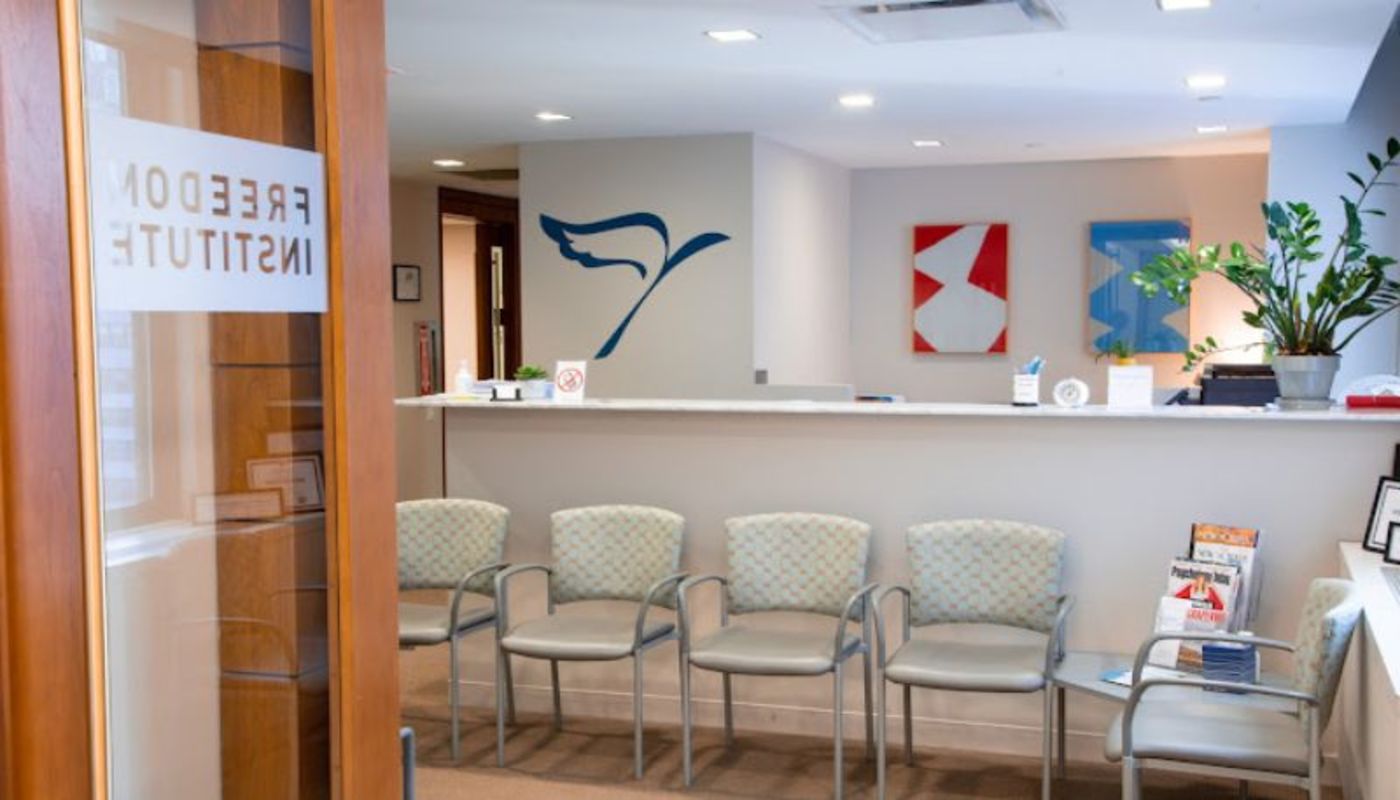
Freedom Institute
New York, NY
 NJ
NJ
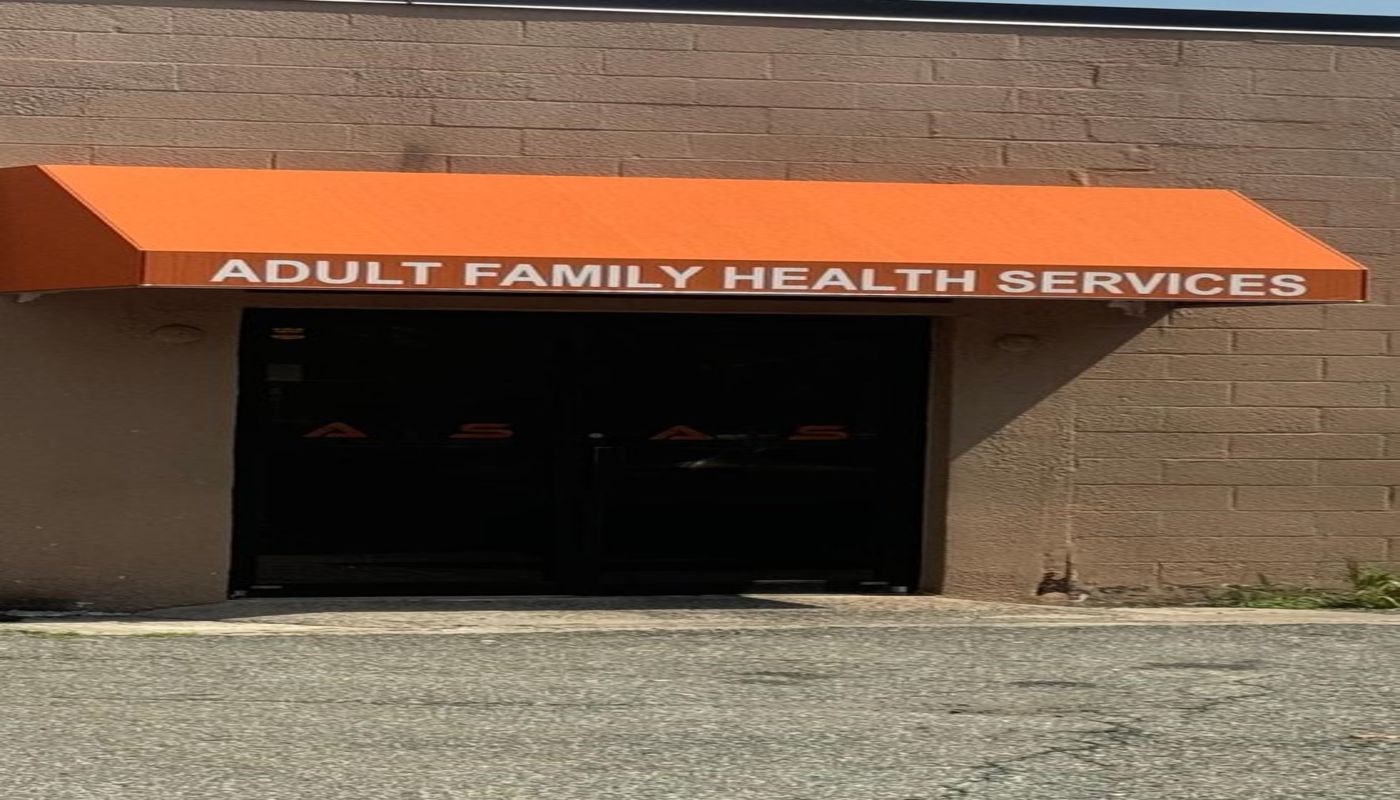
Adult Family Health Services
Clifton, NJ
 CA
CA
Pacific Clinics Recovery Education Center
Orange, CA
Courage Consulting Counseling Starla Wesley
Minneapolis, MN
Human Service
Oxford, PA
Lighthouse Care Center of Augusta
Augusta, GA
 FL
FL
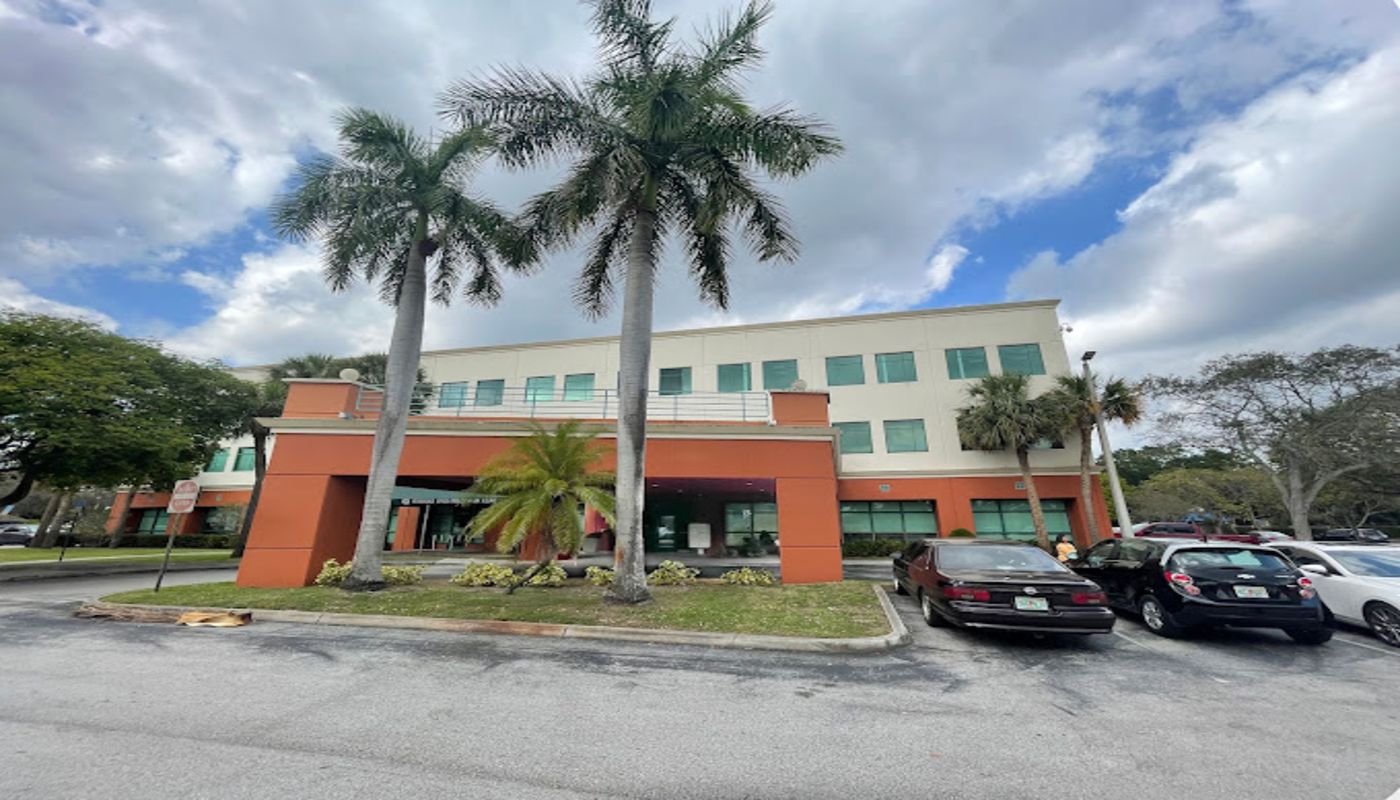
My Psychiatrist Hollywood
Hollywood, FL
 TN
TN
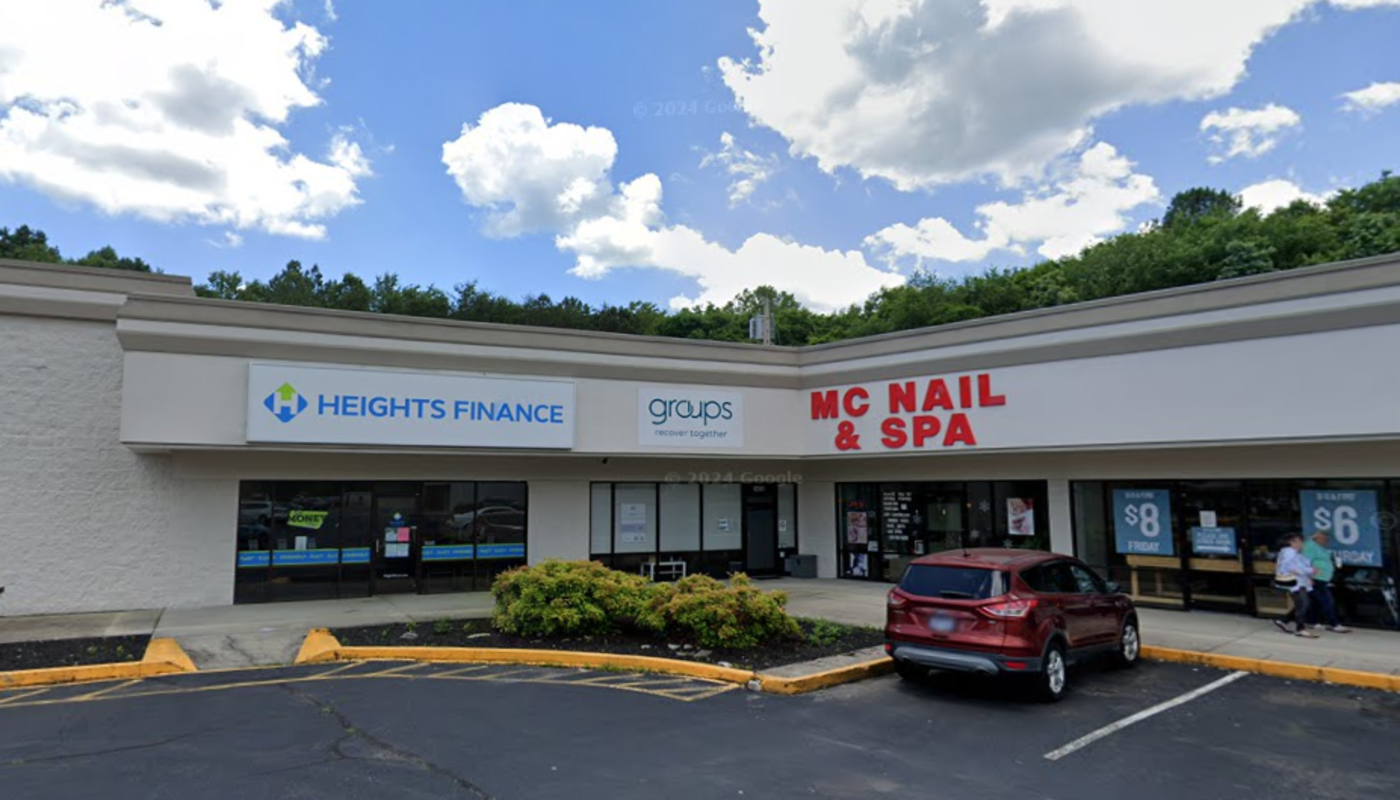
Groups Recover Together Rockwood
Rockwood, TN
 NC
NC
CommWell Health Newton Grove/Spivey’s Corner - Behavioral Health
Dunn, NC
 NH
NH
Aware Recovery Care New Hampshire
Bedford, NH
 FL
FL
Centerpointe Counseling/Recovery of Sarasota
Venice, FL
 NV
NV
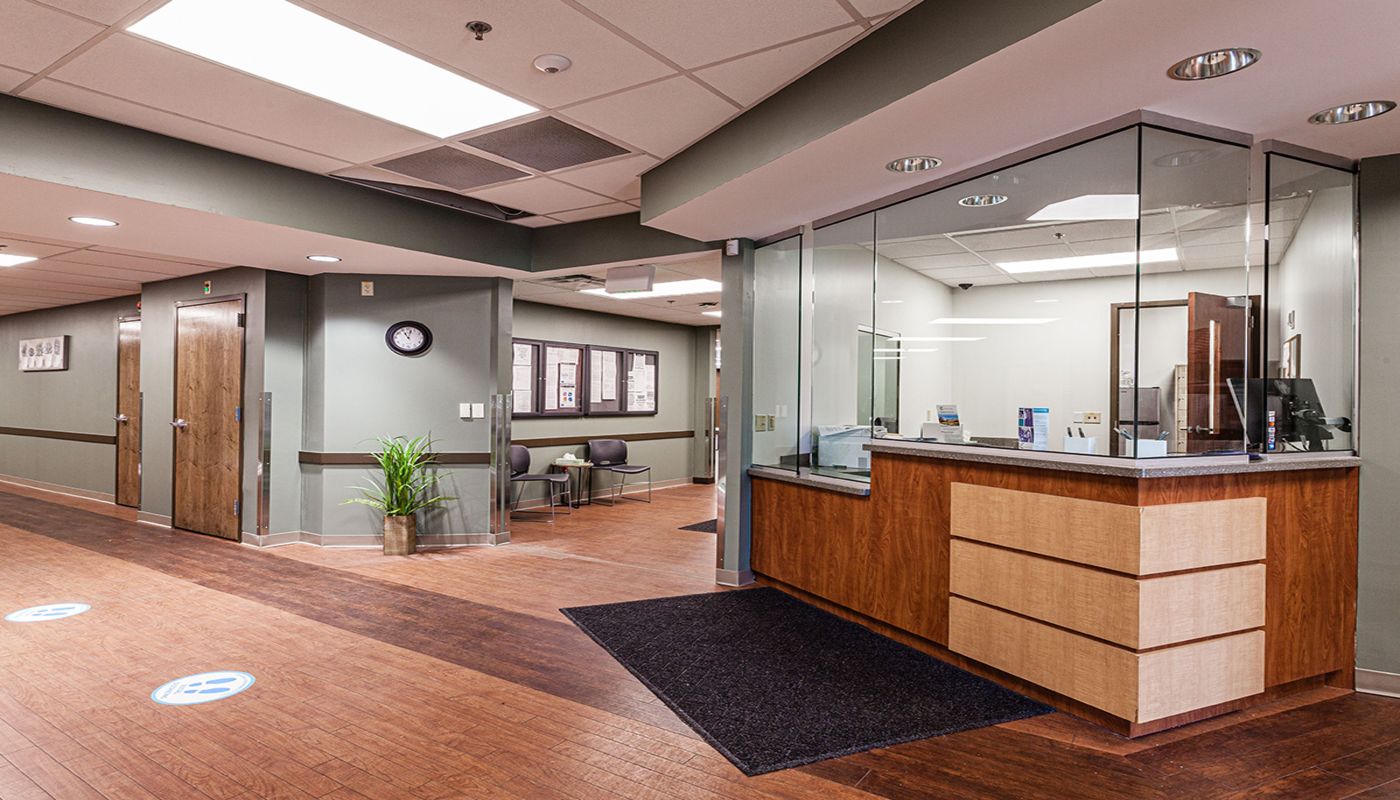
Henderson Comprehensive Treatment Center
Henderson, NV
 CA
CA
Salvation Army Riverside Adult Rehabilitation Center
Perris, CA
 CA
CA
A Better Life Recovery
San Juan Capistrano, CA
 TN
TN
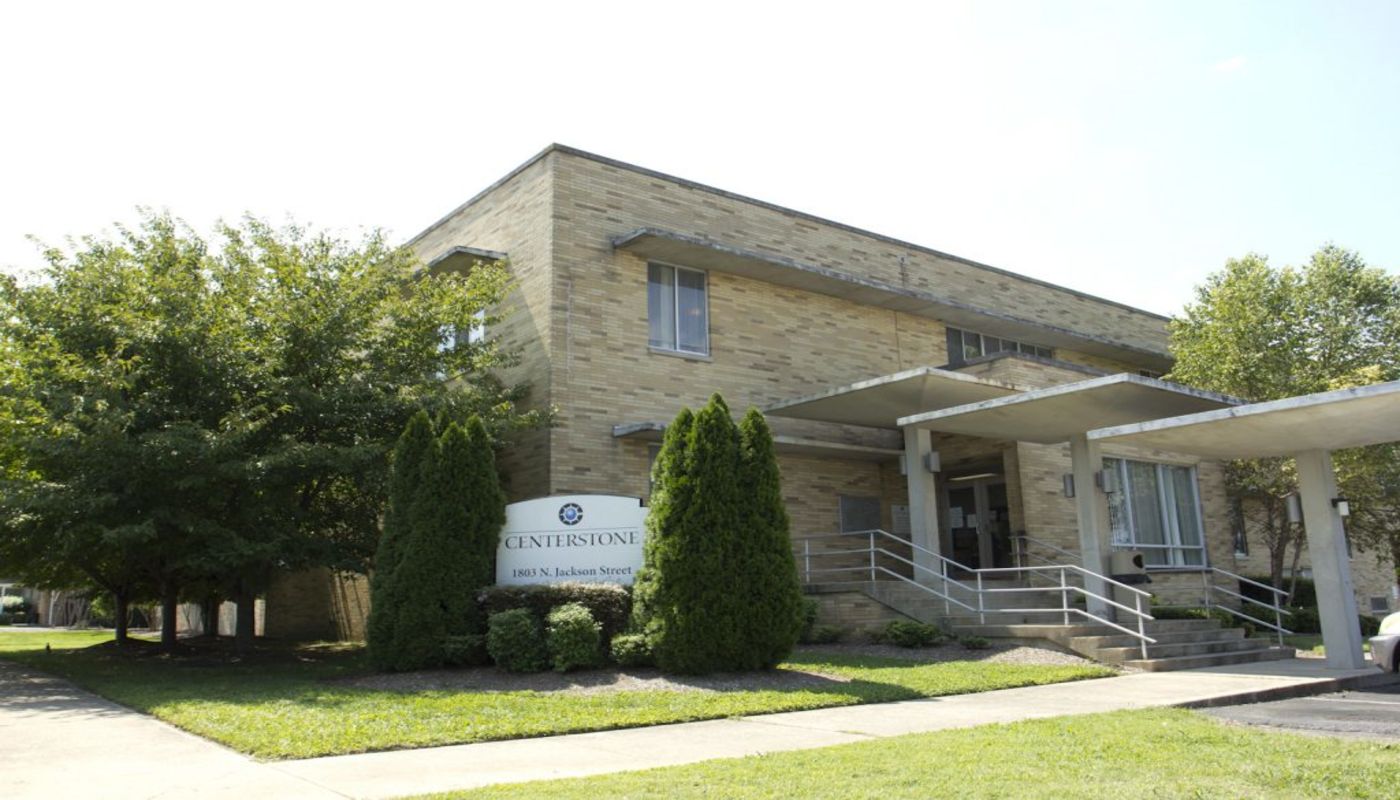
Centerstone Tullahoma - North Jackson Street
Tullahoma, TN
 NC
NC
Solas Health
Pinehurst, NC
Cleveland Clinic Indian River Hospital Behavioral Health Center
Vero Beach, FL
 MO
MO
Hillcrest Transitional Housing
Liberty, MO
 TX
TX
Oceans Behavioral Hospital Longview
Longview, TX
 TX
TX
Navita Health
The Woodlands, TX
 AZ
AZ
Bridges Counseling
Tucson, AZ
 CA
CA
Paradigm Treatment - Malibu Young Adult Program
Malibu, CA
 PA
PA
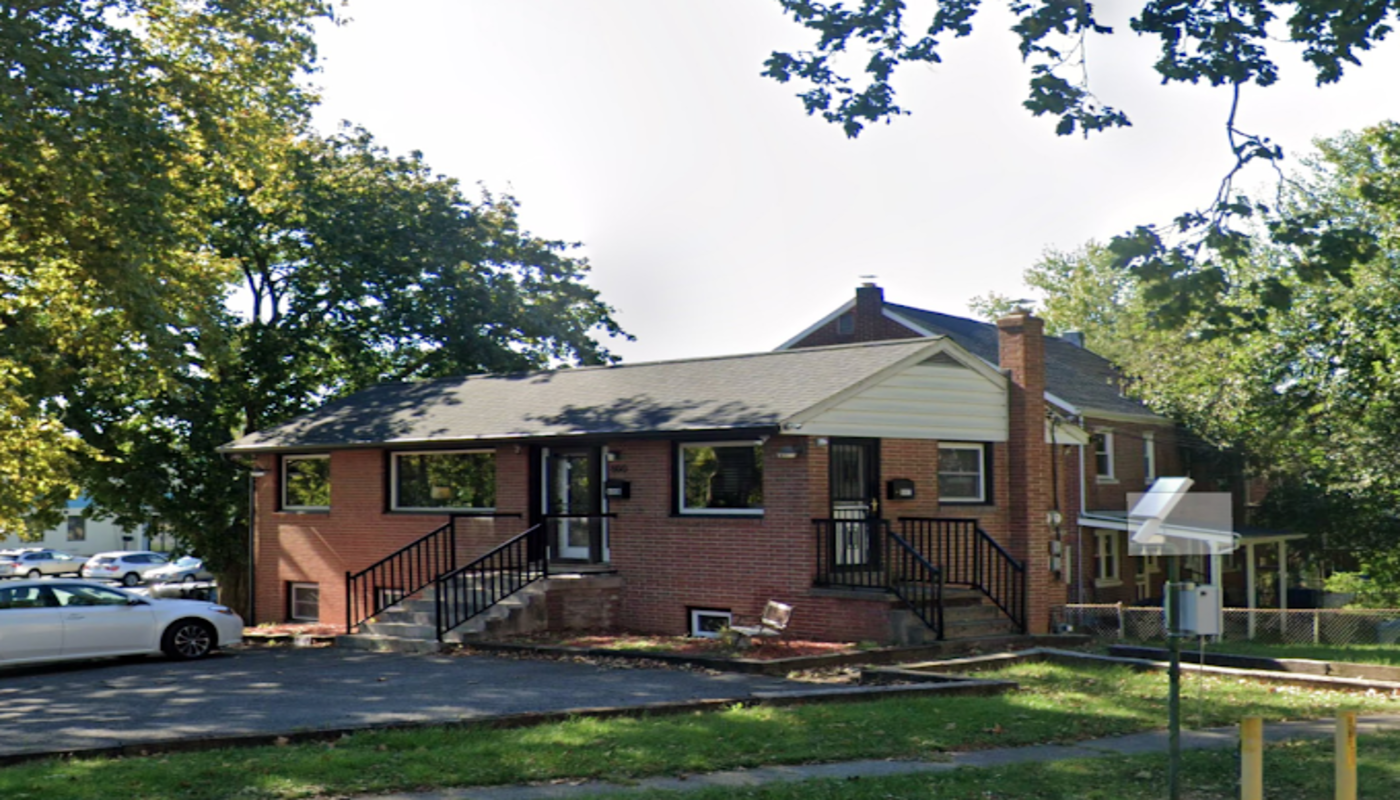
Crossroads Treatment Center Lancaster
Lancaster, PA
 CA
CA
Latino Commission on Alc/DA Services Casa Maria
San Bruno, CA
 NY
NY
Camelot Counseling Services Tier II
Jamaica, NY
Mental Health Parity & Addiction Equity Act (MHPAEA) & Rehab: FAQ
Answers to the most asked questions about Mental Health Parity & Addiction Equity Act (MHPAEA) coverage.
What is MHPAEA?
Does MHPAEA apply to all insurance plans?
What is an NQTL?
What is the 2024 MHPAEA Final Rule?
How do I file a MHPAEA complaint?
Can I sue my insurance plan for MHPAEA violations?
Does MHPAEA require my plan to cover specific SUD treatments?
What is a Comparative Analysis under MHPAEA?
Why was MHPAEA enforcement paused in 2025?
How has MHPAEA improved SUD coverage?
Your Rights with Mental Health Parity & Addiction Equity Act (MHPAEA)
Mental Health Parity Act
Mental Health Parity & Addiction Equity Act (MHPAEA) must cover addiction treatment at the same level as physical health conditions. They cannot impose higher copays, stricter visit limits, or more restrictive pre-authorization for rehab.
Right to Appeal
If Mental Health Parity & Addiction Equity Act (MHPAEA) denies your claim, you have the legal right to appeal. Request a written explanation and file a formal appeal. Many denials are overturned — especially with supporting documentation from your treatment provider.
Sources
- U.S. Department of Labor — Mental Health Parity and Addiction Equity Act
- HealthCare.gov — Mental Health & Substance Abuse Coverage
- SAMHSA — National Helpline (1-800-662-4357)
Last updated: March 17, 2026 • Reviewed by RehabHive editorial team
Verify Your Mental Health Parity & Addiction Equity Act (MHPAEA) Coverage in Under 5 Minutes
Free. Confidential. No obligation. Two ways to start:
